

With so many AI image generators available in 2025, choosing the right one can feel paralyzing. Each platform promises stunning results, but the reality is that different models excel in different areas. Nano Banana 3 has attracted significant attention for its speed and versatility, but how does it really compare to the competition? This guide offers a practical, hands-on comparison to help you make an informed decision.
Understanding What Makes Each Model Different
AI image models differ in their training data, architecture, optimization goals, and intended use cases. Some prioritize photorealism above all else, others favor artistic expression and stylistic range, and a few focus on specific niches like character design, text rendering, or architectural visualization.
Understanding these differences is essential because the “best” model depends entirely on what you need it to do. A model that excels at generating fantasy art might struggle with product photography, and vice versa. The most productive approach is to match the right tool to each specific task rather than searching for a single universal solution.
Nano Banana 3: Speed Meets Quality
Nano Banana 3 occupies an appealing sweet spot between generation speed and output quality that makes it practical for everyday creative work. It produces detailed, aesthetically pleasing images quickly, making it ideal for creators who need volume without sacrificing visual standards.
Many competing models force you to choose between speed and quality. Fast models often produce rougher outputs that need significant refinement, while high-quality models can take considerably longer to generate each image. Nano Banana 3 manages to deliver on both fronts, which is why it has gained a loyal following among professional creators.
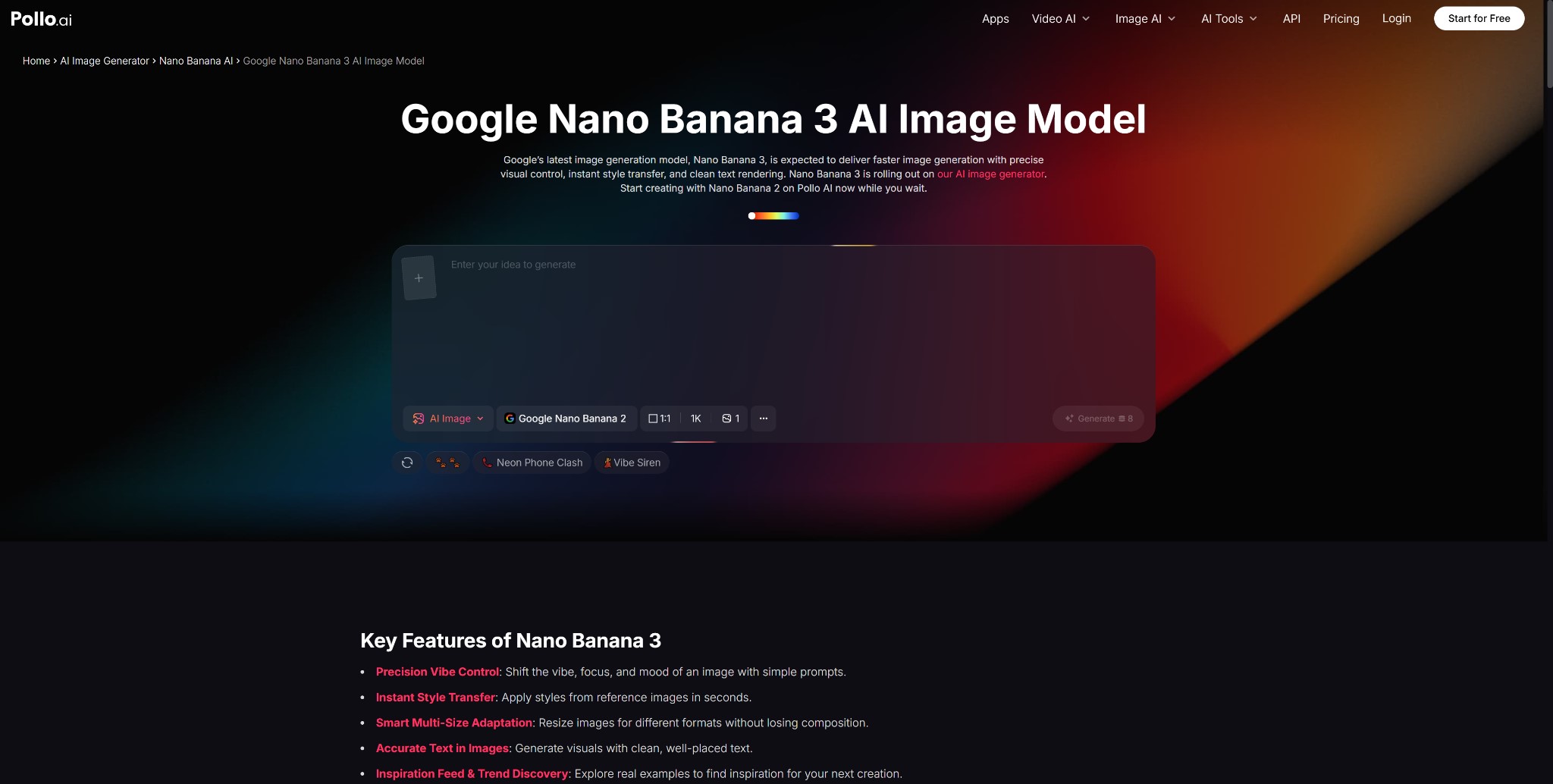
You can experience this balance firsthand through Pollo AI’s Nano Banana 3 integration. The platform provides a clean testing environment where you can evaluate the model against your specific requirements and compare it directly with other options.
How It Compares on Photorealism
For pure photorealism, Nano Banana 3 holds its own against most competitors in the market. It handles skin textures with natural variation, renders fabric details with convincing drape and material properties, and produces environmental lighting that feels physically accurate rather than artificially enhanced.
Where some models produce an obvious “AI look” — overly smooth skin, unnaturally perfect symmetry, or a plastic-like sheen — Nano Banana 3 outputs tend to feel more natural and less processed. This subtlety matters enormously for commercial applications where the goal is to create images that viewers accept without questioning their origin.
The model also handles challenging photorealistic scenarios reasonably well, including reflective surfaces, transparent materials, depth of field effects, and complex shadow interactions. These details separate professional-quality outputs from amateur-looking generations.
Style Versatility
This is where Nano Banana 3 particularly shines and where it often outperforms more specialized competitors. It transitions smoothly between photorealistic, illustrated, painted, graphic, and abstract styles without requiring model switches, specialized settings, or different prompt syntaxes.
You can generate a photorealistic portrait, a watercolor landscape, a vector-style icon, and an oil painting aesthetic all within the same session using the same interface. This versatility is invaluable for creators who work across multiple visual styles — marketing agencies, content studios, and freelance designers who serve diverse clients all benefit from this flexibility.
Many competing models are optimized for one or two styles and produce noticeably weaker results outside their comfort zone. Nano Banana 3’s breadth of stylistic capability means you need fewer tools in your workflow, which simplifies your process and reduces costs.
Prompt Responsiveness
A model is only as good as its ability to understand what you want and translate your vision into pixels. Nano Banana 3 demonstrates strong prompt adherence, accurately interpreting complex descriptions with multiple elements, spatial relationships, and layered stylistic instructions.
It handles spatial relationships well — “a red ball on top of a blue box, with a green triangle in the background” produces the correct arrangement consistently. It respects color specifications, follows compositional directions like “rule of thirds” or “centered composition,” and applies stylistic modifiers predictably.
This reliability reduces the number of generations needed to achieve a satisfactory result, which saves both time and computational resources. When you can trust that the model will attempt to fulfill your prompt faithfully, you spend less time on trial and error and more time on creative refinement.
The Pollo AI Advantage
One significant advantage of using Nano Banana 3 through Pollo AI is access to multiple models in one unified platform. If Nano Banana 3 does not produce the ideal result for a particular prompt or use case, you can immediately try another model without switching tools, creating new accounts, or learning new interfaces.
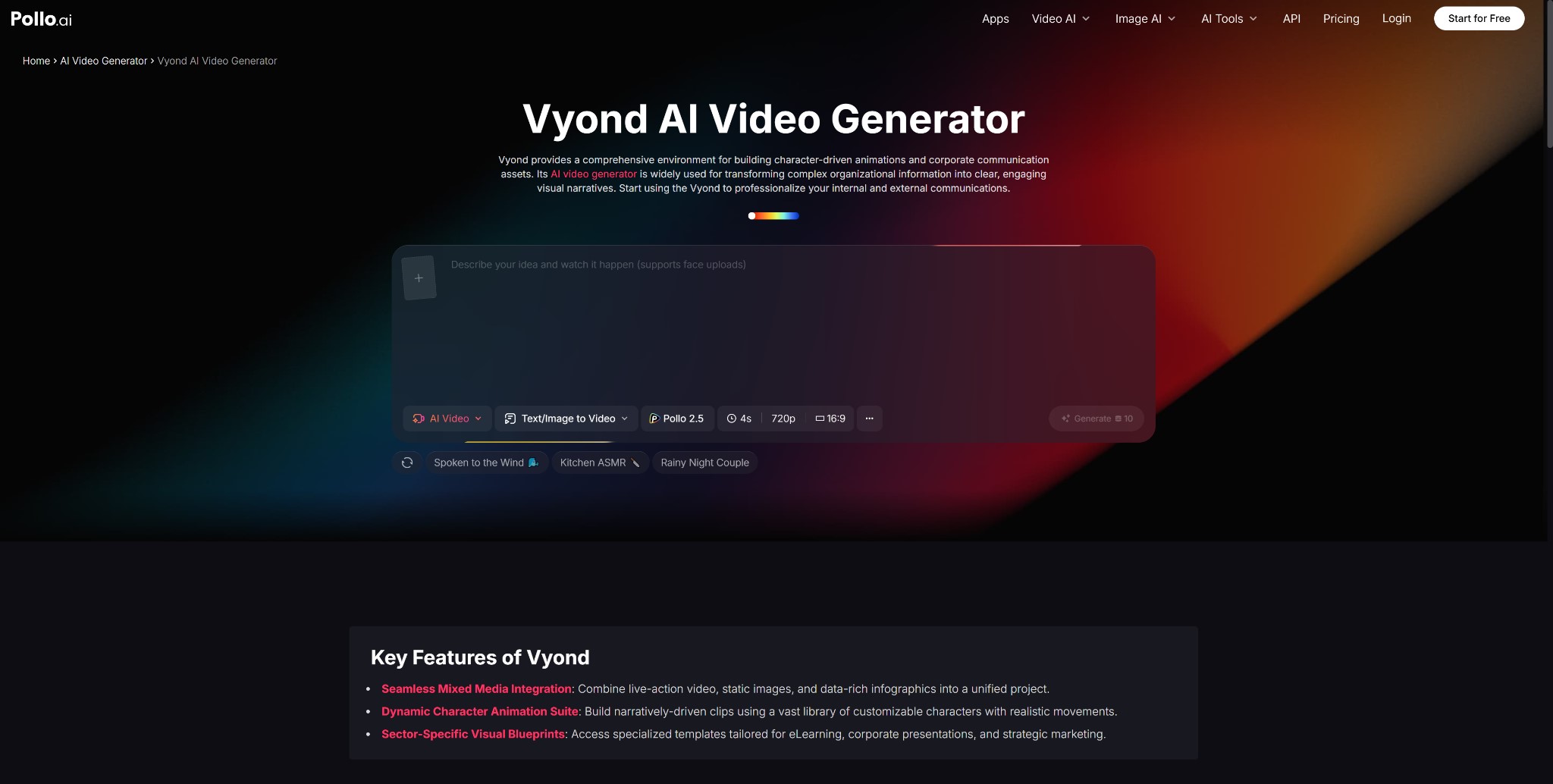
This comparative capability is genuinely useful for professional work. Different projects have different visual requirements, and having multiple models available ensures you can always find the right tool for the job. For creators who also need video content alongside their image work, exploring Vyond on Pollo AI adds character-driven animation capabilities to your creative arsenal, enabling you to produce both static and animated content from a single platform.
Pollo AI also provides a consistent user experience across all its integrated models, meaning the skills you develop working with one model transfer directly to others. This reduces learning curves and lets you focus on creativity rather than interface navigation.
Making Your Decision
The best approach is hands-on testing with your actual use cases. Generate the same image concept across multiple models and compare the results carefully. Pay attention to detail quality, style accuracy, generation speed, prompt adherence, and consistency across multiple generations.
Consider your workflow requirements as well. If you need speed for high-volume production, weight that heavily. If you need maximum quality for hero images and flagship content, prioritize output fidelity. If you work across many styles, versatility becomes the deciding factor.
Nano Banana 3 consistently delivers strong results across diverse use cases, which is why it has become a go-to choice for creators who value reliability and range. Whether it becomes your primary model or a valuable addition to a multi-model toolkit, it deserves serious consideration in your AI image generation workflow. Try it through Pollo AI and let the results speak for themselves.

