

Moving house sounds simple enough until you’re standing in your living room surrounded by stuff you forgot you owned. Somewhere in that pile is a wine glass your mum gave you, a smart TV that cost more than your first car, and a photo frame that cannot — under any circumstances — arrive cracked.
Whether you’re heading a few streets away or making a bigger move, those breakable items tend to be the ones people worry about most. The good news is, keeping them safe doesn’t require anything fancy — just a bit of care, the right approach, and knowing what to prioritise before everything ends up in a box.
Start With the Right Supplies
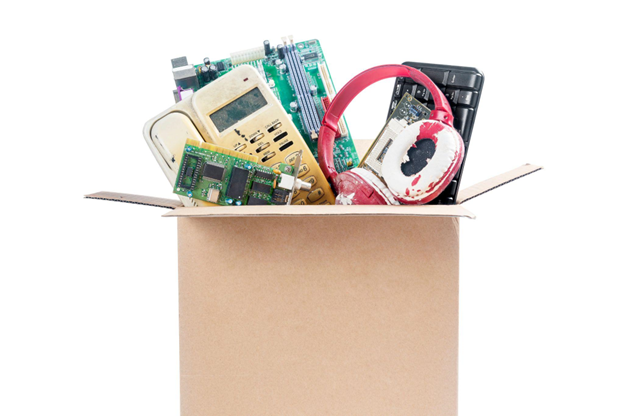
Before you start stuffing things into whatever cardboard box you found out the back, it’s worth getting the right materials together. You’ll need sturdy double-walled boxes in a variety of sizes, plenty of bubble wrap, packing paper (not newspaper — the ink transfers), foam sheets, packing tape, and marker pens for labelling. Smaller boxes are actually better for heavier fragile items like dishes and books — big boxes get heavy fast, and heavy boxes get dropped. And with the box itself, don’t just toss everything in and close it up. And with the box itself, don’t just toss everything in and close it up. If it’s rattling, open it back up and fix it.
Wrapping Fragile Items the Right Way
When it comes to breakables, one of the biggest mistakes is rushing through it and wrapping things in bulk. It does take a bit longer, but wrapping things one by one is usually what saves you later. Most items don’t need anything over the top — some packing paper and a bit of bubble wrap will do the job. With glasses and mugs, I usually just push a bit of paper inside them. Nothing fancy, it just gives them a bit more strength so they’re not as easy to crack.
And with the box itself, don’t just toss everything in and close it up. And with the box itself, don’t just toss everything in and close it up. If things feel loose, they’ll end up knocking around. Just shuffle things a bit until everything sits properly.
Starting with some padding at the bottom makes a difference too, then you can just work your way up and fill any empty spots as you notice them. If you close the box and feel things shifting around, it’s a sign you need to add more padding — that movement is what usually causes chips and cracks.
Plates are a classic one people get wrong. Most people lay them flat, but they’re actually safer packed upright, side by side, like you’d store vinyl records. It spreads the pressure more evenly if the box gets knocked. The same idea works for picture frames and mirrors — wrap them well and keep them standing rather than lying flat.
Electronics Need Extra Attention
Electronics can be a bit of a pain because it’s not just about them breaking — they’re easy to mess up in other ways too. Things like heat, a bit of moisture, or even just how they’re handled during the move can cause issues you won’t notice until you plug them in later. If you’ve still got the original boxes, it’s honestly worth using them — they were made to fit properly, so they tend to do the job better than anything else. Those moulded foam inserts were designed specifically for each device, and nothing works better. If you’ve tossed out the boxes (we’ve all been there), here’s how to handle it properly.
Flat screen TVs and monitors should always be packed upright, never flat. The screens can crack under their own weight if laid horizontally. Wrap the screen with a soft cloth or foam sheet first, then bubble wrap the whole thing. If you’re buying a TV box, get one that fits — don’t let it slide around inside. With laptops and tablets, just take off anything attached and pack them on their own. Wrap them up and sit them in the box so nothing’s pressing against them. Hard drives are a bit more sensitive than most things, so they’re worth packing off to the side where they’re not going to get knocked.
One thing that often gets missed when packing fragile items for move is all the cables. They get pulled out, dropped into random boxes, and then somehow disappear when you need them. It’s easier to keep them together from the start — wind them up, toss them in a bag, and keep them with the same device so you’re not hunting for them later. There’s nothing worse than finding your brand-new monitor has no cable to connect it because it ended up in a completely different box three suburbs away.
Labelling Is NOT Optional
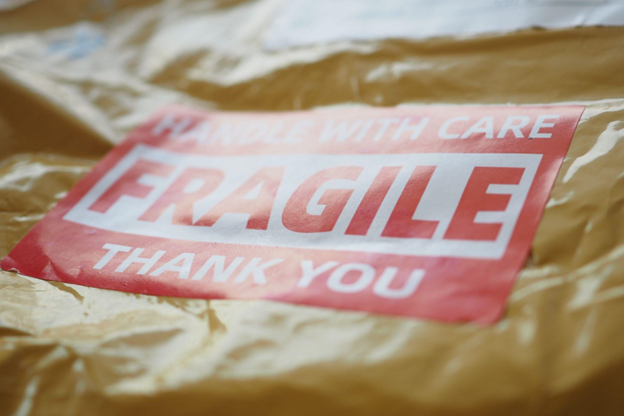
This might seem like a minor thing, but good labelling saves a lot of headaches on the other end. Write “FRAGILE” in big letters on at least two sides of every box containing delicate items. Also write which room it belongs to and a brief note of the contents — something like “Kitchen — wine glasses x6” is far more useful than just “Kitchen.” For electronics, just draw an arrow on the box so it’s obvious which way it should sit.
And if you’ve got a few fragile ones, even something simple like a strip of different tape makes them stand out straight away.
Where Things Usually Go Right (or Wrong)
Packing fragile stuff doesn’t have to be a big stressful job. Most of the time, it just comes down to not rushing it and having what you need within reach. Taking a bit of care with how things go into the box — instead of trying to power through it — tends to make a bigger difference than people expect.
A lot of damage doesn’t come from anything dramatic — it’s usually just small knocks along the way. When items aren’t supported properly, those little movements add up. Spending a bit more time on reliable packing before the move can save you from dealing with broken items later on. And if you’d rather not deal with it yourself, the team at Butler’s Removals & Storage in Cairns can step in and make the whole process a lot easier.

