

The Psychology of the Desk Staple
The humble pen is perhaps the most ubiquitous promotional item in the world, yet the vast majority of these tools end up in a junk drawer or the trash within days of receipt. To design a pen that a customer actually keeps, one must understand the psychology of utility and value. A pen is not just a marketing vehicle; it is a tool that becomes an extension of the user’s hand. When a person finds a pen that feels right, writes smoothly, and looks professional, it earns a permanent spot on their desk or in their pocket.
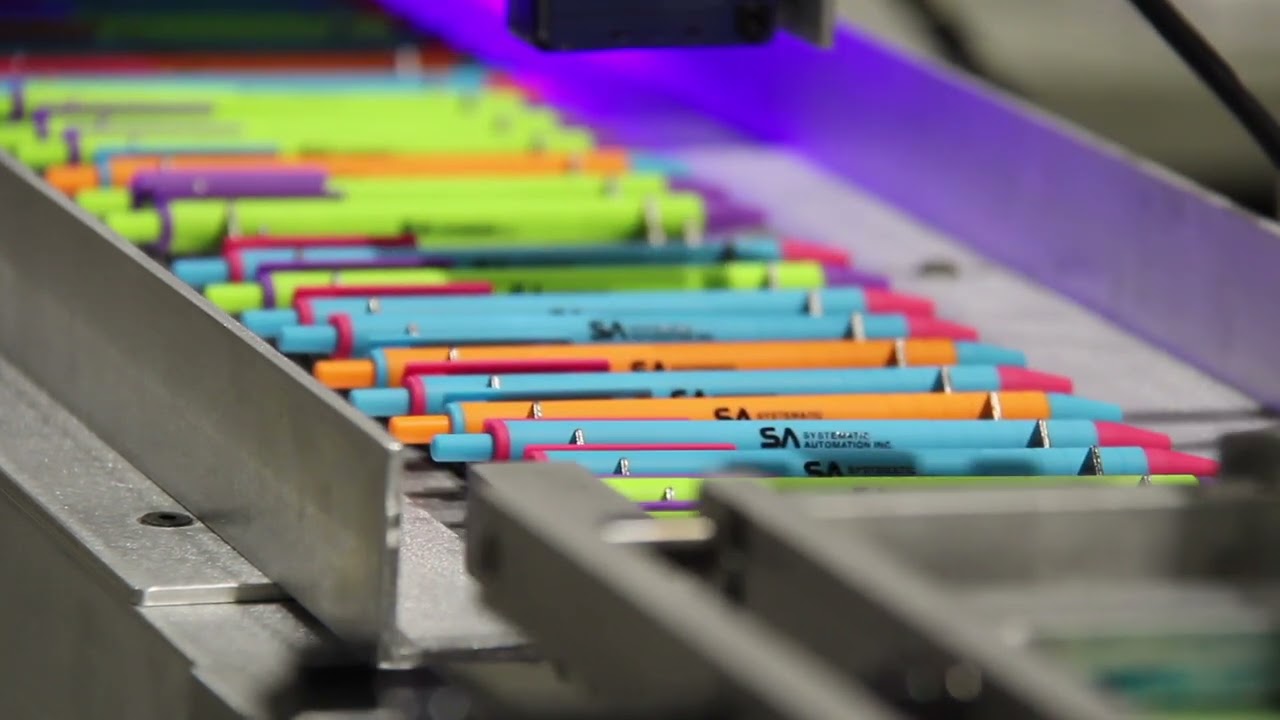
Research into promotional products suggests that usefulness is the primary reason consumers keep branded items. For pens specifically, the retention rate increases significantly when the item provides a superior sensory experience compared to the standard disposable options found in bulk office supply stores. When you decide to design printed pens with HelloPrint, you are choosing to move beyond mere visibility and toward genuine utility. The goal is to create an object that the recipient would feel disappointed to lose. This shift in mindset from cheap giveaway to valued tool is the foundation of a successful promotional campaign.
Prioritizing the Writing Experience
The most beautiful pen in the world is worthless if the ink skips or the tip scratches the paper. The writing experience is the single most important factor in whether a pen is kept or discarded. High quality ink flow and a consistent line weight determine the perceived value of the brand associated with the pen. If your brand is synonymous with reliability and smooth operations, a leaky or stuttering pen will subconsciously undermine that message.
- Ink Type Matters: Ballpoint pens are reliable and long lasting, making them ideal for general office use. Gel pens offer a smoother, more vibrant line that many users prefer for creative tasks, though they tend to run out faster. Rollerballs provide a liquid ink feel that mimics a fountain pen, offering a premium experience.
- Tip Size Consistency: A medium 1.0mm tip is standard for broad appeal, while a fine 0.7mm or 0.5mm tip is often preferred by professionals who need to write in small spaces or maintain clean ledgers.
- Ergonomics and Grip: The physical comfort of the pen cannot be overstated. Pens with rubberized grips or ergonomic barrel shapes reduce hand fatigue during long writing sessions. This comfort ensures the pen remains the first choice when the user reaches for a writing instrument.
Material Selection and Tactile Appeal
The weight and texture of a pen communicate quality before the nib even touches the paper. Plastic pens are cost effective for massive events, but metal pens carry a weight that suggests importance and longevity. When a customer feels the cool touch of aluminum or the solid heft of brass, they instinctively assign a higher monetary value to the item. This perceived value is what prevents the pen from being treated as a disposable commodity.
Soft touch coatings have become increasingly popular in recent years. These matte finishes provide a velvety texture that feels luxurious to the hold and prevents the pen from slipping. Additionally, sustainable materials such as bamboo, recycled PET, or wheat straw are excellent choices for brands looking to align themselves with environmental consciousness. By selecting materials that feel premium, you ensure that your promotional investment pays dividends in the form of long term brand exposure.
Strategic Branding and Logo Placement
The most common mistake in pen design is making the logo too large or the contact information too cluttered. A pen that looks like a walking billboard is less likely to be used in professional settings. The most successful designs use a subtle, sophisticated approach to branding. The logo should be clear and legible, but it should not overwhelm the aesthetic of the pen itself.
- The Golden Ratio of Printing: Use the clip as a guide. Small, crisp logos placed near the clip or on the upper barrel remain visible while the pen is in a pocket or a pen holder without being distracting during use.
- Less is More: Avoid the temptation to include your full address, three phone numbers, and a list of services. A clean logo and a concise website URL or social media handle are usually sufficient.
- Orientation: Consider whether the recipient is likely to be right handed or left handed. Standard printing usually caters to right handed users, ensuring the logo is upright when the pen is held, but wrap around printing can solve this by making the brand visible from any angle.
Using a professional service like HelloPrint allows you to preview how these design elements interact with the physical dimensions of the pen. Precision is key here; a slightly off center logo can make an expensive pen look cheap.
Color Theory for Longevity
Color plays a vital role in how a promotional product is perceived and how well it integrates into the user’s daily life. While bright, neon colors might grab attention at a crowded trade show, they may not be the first choice for a CEO in a boardroom. To design custom printed pens with HelloPrint that have staying power, consider a palette that reflects both your brand identity and the environment of your target audience.
- Corporate Classics: Navy blue, forest green, burgundy, and black are timeless. These colors exude authority and professionalism, making them suitable for any business environment.
- Modern Neutrals: Slate grey, matte silver, and charcoal are contemporary choices that appeal to tech savvy audiences and creative professionals.
- Accent Colors: If your brand uses a very bright color, consider using it as an accent on the clip or the plunger rather than the entire barrel. This provides a pop of brand recognition without making the pen feel garish.
The contrast between the barrel color and the print color is also vital for legibility. High contrast pairings, such as silver ink on a dark blue barrel or black ink on a white barrel, ensure that your branding is easily readable even at a distance.
Selecting the Right Printing Technique
The method used to apply your design to the pen determines how long that design will last. Nothing looks worse than a branded pen where the logo has half rubbed off after a month of use. Understanding the technical side of printing will help you choose the right option for your budget and durability requirements.
- Pad Printing: This is the most common method for plastic pens. It uses a silicone pad to transfer ink onto the curved surface of the pen. It is excellent for fine details and multiple colors.
- Screen Printing: Best for larger print areas or wrap around designs. It provides a thick layer of ink that is very durable and vibrant.
- Laser Engraving: This is the gold standard for metal pens. The laser removes the top layer of the pen material to reveal the metal underneath. It is permanent, elegant, and cannot be rubbed off or faded.
- Full Color Digital Printing: This allows for complex gradients and photographic images. It is ideal for brands with intricate logos that cannot be simplified into flat colors.
Distribution Strategies for Maximum Retention
Designing a great pen is only half the battle; how you get it into the hands of your customers matters just as much. The context of the gift influences the recipient’s perception of the item. If a pen is simply left in a large bowl for anyone to grab, it feels like a commodity. If it is handed over personally after a successful meeting or included as a thank you gift in a high value shipment, it feels like a gesture of appreciation.
Consider the lifecycle of the pen. A high quality pen from HelloPrint included in a new employee welcome kit or sent to a long term client on their anniversary becomes a memento of a relationship. This emotional connection significantly increases the likelihood that the pen will be kept and used until the ink runs dry. Furthermore, providing refills for premium metal pens can extend the life of your brand’s advertisement for years, turning a one time gift into a permanent fixture in the customer’s life.
Future Proofing Your Promotional Strategy
As technology evolves, the role of the pen is changing, but it is not disappearing. Many modern pens now include stylus tips for use on tablets and smartphones, bridging the gap between analog and digital worlds. These multi functional tools are highly prized because they solve two problems at once. When you design printed pens with HelloPrint that include a stylus or even a built in LED light, you are providing additional layers of utility that make your gift indispensable.
The key to a pen that customers actually keep is a relentless focus on quality over quantity. It is far better to distribute five hundred high quality, well designed pens that people love to use than five thousand cheap ones that end up in the bin. By focusing on the writing experience, material quality, and sophisticated design, you transform a simple writing instrument into a powerful, long lasting brand ambassador that sits on your customer’s desk, reminding them of your value every single day.

