

Modern buildings and workplaces need good design and reliable equipment. They also need information about the surrounding environment. Lighting conditions, changes in air pressure, temperature and other environmental factors can affect comfort, safety, productivity and the performance of systems. As industries adopt technologies, environmental monitoring becomes an important part of building management, industrial operations and weather observation. Sensors make it possible to collect measurements, identify changing conditions and respond before minor issues become larger problems.
Why Environmental Conditions Need to Be Measured
People often judge surroundings through experience. A room may seem bright for example or the weather may feel likely to change. However, human perception is not always reliable. Lighting can feel different depending on the time of day on activities happening and on surfaces inside a room. Similarly weather conditions can change when the sky looks fairly clear.
Objective measurements give a dependable way to understand these conditions. Environmental instruments turn characteristics into measurable values that can be recorded compared and used for decision making.
This information is useful in offices, factories, warehouses, greenhouses, laboratories and outdoor monitoring stations.
Understanding what is happening in organisations can improve working conditions and manage resources more effectively.
The Role of Proper Lighting in Workplaces
Lighting has an effect on how people do visual tasks. Poor lighting can make it hard to read instructions see parts or notice dangers. Much bright light or lights that are not placed well can also create glare and make people uncomfortable.
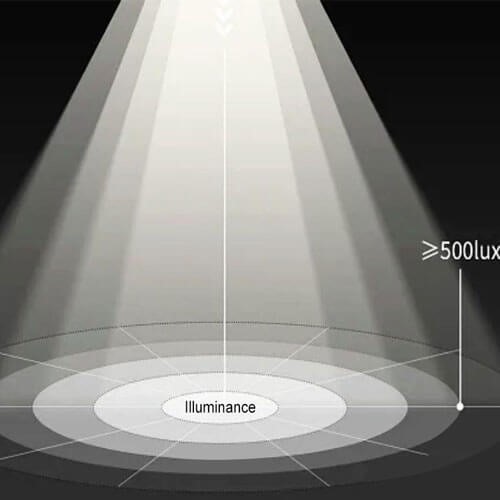
This is why checking the amount of light is important when looking at how good the lighting’s in a place.
This is why measuring Illuminance is important when evaluating the quality of a lighting environment. It is usually measured in lux. Unlike how a person might feel about how bright something’s it gives a number that shows how well a desk, floor or work area is lit. Different areas need kinds of lighting. An office might need light for reading and using a computer. A factory might need light to check products and use machines. Warehouses, roads, classrooms and places where things are shown also have their lighting needs.A lux meter can be used to take measurements during checks or when looking at lighting. For watching lighting, over a time fixed light sensors can collect data all the time and send it to a controller or a system that watches it. This data can help adjust the lights. It can keep the lighting right while using less energy than needed.
Understanding Changes in Atmospheric Pressure
Lighting is one piece of environmental monitoring. Air pressure is another measurement, especially for weather watching, outdoor use and systems that need good environmental data.
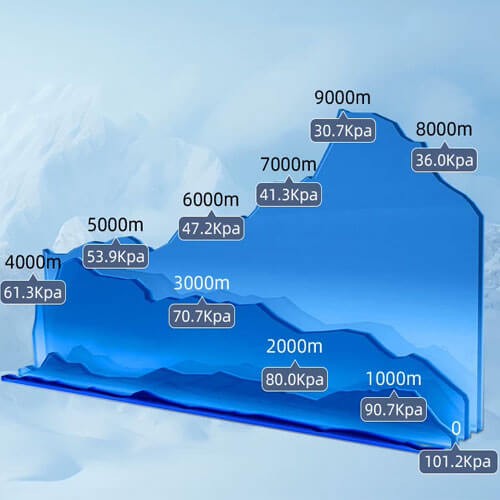
Atmospheric pressure is the force that the weight of the air in the atmosphere pushes over an area. Scientists usually measure pressure in pascals (Pa) hectopascals (hPa) or millibars (mbar). The standard atmospheric pressure at sea level is 101.325 kilopascals but real readings change with the environment.
Many things affect pressure. Altitude is very important because air pressure usually goes down when you go higher. Temperature also changes how dense the air is and how air masses move. Humidity and the weather that comes with seasons also change pressure.
These changes are clues, for weather watchers. A falling air pressure can show that a new weather system is coming, while a rising air pressure usually means the air is more steady. Air pressure alone does not give a forecast but it is more helpful when looked at with temperature, humidity, wind speed and rain data.
How Sensors Improve Environmental Monitoring
Traditional measuring instruments are still handy for inspections but modern sensors bring extra benefits. Electronic sensors can gather measurements all the time, send those readings to monitoring systems and cut down the need for manual checks. Take a sensor in an office for example. A light sensor watches the level all day long. A sensor’s readings let a building management system turn the lights on or off based on how much natural daylight is available. In a weather station an atmospheric pressure sensor keeps track of pressure changes over time. An atmospheric pressure sensor then sends that data to a data logger or a remote monitoring platform.
These sensor systems are especially useful when we need to watch conditions, in many places. Then checking only once in a while operators can look at the recorded measurements, spot patterns and act when something unusual happens.
Choosing the sensor still matters a lot. You must think about the measurement range, the accuracy, where the sensor will be installed, the operating conditions the communication needs and how often the sensor will need maintenance before you pick an instrument.
Applications Across Different Industries
Environmental monitoring has applications far beyond conventional weather stations and office buildings.
In manufacturing facilities, appropriate lighting helps workers inspect products and operate machinery safely. Automated monitoring can also help maintain consistent conditions in production areas. In agriculture, light measurements can support greenhouse management by helping growers understand the illumination available to plants.
Building managers can use environmental sensors to improve indoor conditions and support energy management. Meanwhile, atmospheric pressure measurements are useful in meteorological stations, aviation-related applications, environmental research, and industrial systems that require reliable pressure data.
When multiple sensors operate together, they provide a more complete picture of the surrounding environment. This allows organisations to make decisions based on recorded conditions rather than assumptions.
Conclusion
Reliable environmental management begins with accurate information. Whether an organisation needs to assess workplace lighting or observe changing atmospheric conditions, measurement technology provides the data required for informed decisions.
Illuminance meters, light sensors, barometers, and electronic pressure sensors each serve different purposes, but they share an important role: turning environmental conditions into useful information. As connected monitoring systems become more widely adopted, these technologies will continue to support safer workplaces, more efficient buildings, and better environmental awareness.

