

In the age of Instagram stories, TikTok reels, and curated food blogs, fine dining has found a new kind of spotlight. Once reserved for word-of-mouth and glowing newspaper reviews, high-end restaurants now navigate a world where a single influencer post can fill tables for weeks. But does this always translate to meaningful engagement, or is it just fleeting online attention?
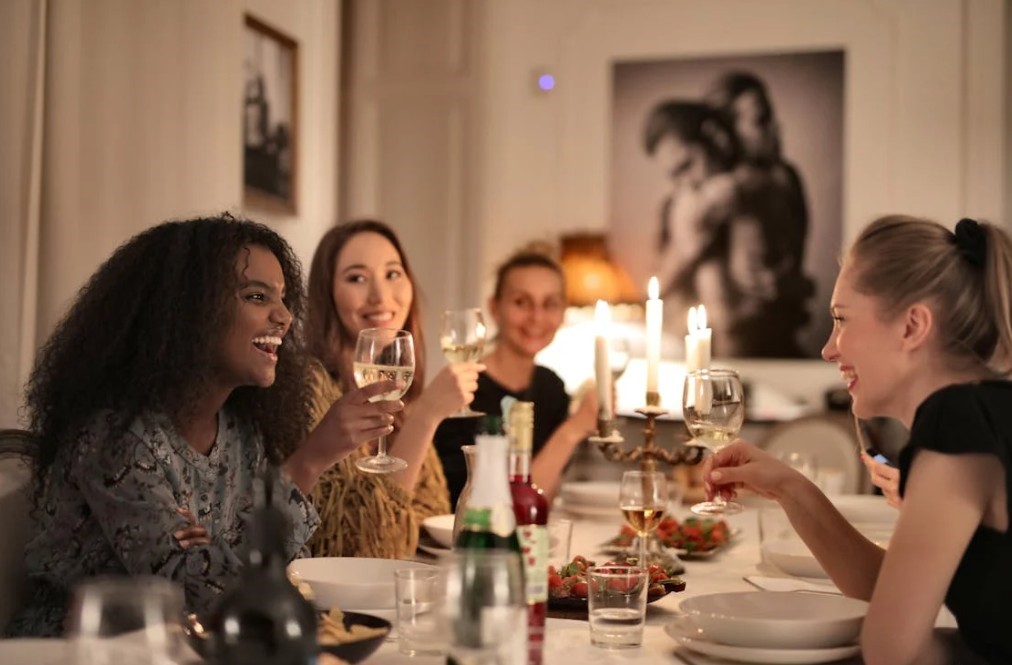
Take Muse by Tom Aikens, for example, often searched as the best fine dining restaurant in central London. It’s the kind of place that already commands respect for its culinary craftsmanship, but its online presence has amplified its appeal. Influencers regularly share images of the tasting menu, capturing every meticulous detail-from the delicate plating to the subtle smoke wafting off a signature dish. The restaurant benefits because these posts act as digital storytelling: they don’t just show food; they showcase an experience, a lifestyle, and an aspiration.
Interestingly, this isn’t just about followers. Muse by Tom Aikens has reported noticeable spikes in reservations following influencer coverage. Diners see those posts, imagine themselves in the atmosphere, and suddenly, the abstract concept of fine dining becomes accessible. Social media, in this sense, acts as a bridge between exclusivity and desire, helping high-end restaurants remain culturally relevant in a fast-moving digital landscape.
The Power of Visual Storytelling
A key takeaway is that fine dining is inherently visual. Plates are crafted as art, interiors designed to evoke mood, and drinks mixed to be conversation starters. Influencers harness this visual storytelling. A single Instagram carousel showing Bocconcino in Soho-a venue often searched as the best Italian restaurant in central London-can tell a full story: rich pasta textures, candle-lit tables, attentive service. The online audience doesn’t just see a dish; they see a night out, a romantic date, or a celebratory gathering.
Social media emphasizes moments over menus. People scroll past written reviews, but a high-resolution reel of a chef plating hand-rolled gnocchi is compelling. It’s immediate. It’s shareable. It encourages interaction-likes, saves, comments-which algorithms reward with even more visibility. For restaurants, this creates a ripple effect: the more visually striking the content, the more likely it is to reach diners outside traditional marketing channels.
Engagement Beyond the Plate
Of course, visibility isn’t the same as loyalty. An influencer post might fill tables temporarily, but long-term engagement requires consistency. At Bocconcino in Soho, the combination of authentic Italian cooking, attentive service, and an Instagram-ready environment creates content that aligns with the restaurant’s ethos. Influencers don’t fabricate the experience; they enhance it. This alignment is crucial.
A restaurant that leverages social media successfully is one that ensures the influencer experience mirrors the standard diner experience. There’s no disconnect between what’s posted online and what guests encounter in person. Patrons feel confident that the “perfect pasta” photo isn’t a curated illusion-it’s a real, repeatable experience.
The Economics of Influence
Financially, the calculus of social media marketing in fine dining is nuanced. A post by an influencer with tens of thousands of followers might generate immediate table bookings, but it can also create expectations. Diners may expect not just impeccable food, but photo-ready drinks, perfect lighting, and a curated ambience for their own posts. Restaurants must balance authenticity with performative appeal.
Restaurant St. Barts, a venue often searched as a modern European fine dining restaurant near me, illustrates this perfectly. Social media coverage has introduced the venue to a broader audience, but the restaurant maintains its reputation through consistent quality. Each dish, from the starter to the dessert, is executed to high standards, ensuring that first-time visitors drawn by online posts become repeat patrons. This reinforces the idea that social media is a powerful tool, but it works best when it complements, rather than replaces, exceptional culinary craftsmanship.
Influence Without Oversaturation
Not every restaurant needs to be “Instagrammable.” Over-saturation can dilute a brand’s perceived exclusivity. High-end venues often walk a fine line between accessibility and allure. A key insight from current trends is that influence is most effective when subtle. Posts should highlight experience, atmosphere, and narrative-not just the food itself.
Muse by Tom Aikens, Bocconcino in Soho, and Restaurant St. Barts all demonstrate this balance. Their social media presence doesn’t rely on gimmicks. It’s thoughtful: a behind-the-scenes glimpse of the kitchen, a moment with the sommelier, the seasonal change in the dining room. These snippets convey prestige without alienating audiences who aren’t influencers themselves.
Leveraging Influencer Strategy Thoughtfully
Restaurants that succeed with influencer marketing follow three principles:
- Authenticity – The experience should match reality. Diners should see what they get.
- Storytelling – Content should be narrative-driven: food, atmosphere, service, and emotion all matter.
- Community Engagement – Influencer posts should spark conversation, shares, and saves, creating a network effect.
Consider a midweek event at Bocconcino in Soho. A select group of micro-influencers is invited to taste the new menu. They post short videos, tagging the venue. Followers engage in comments asking for recommendations, reservations spike, and the restaurant gains exposure that feels organic rather than transactional. This isn’t just marketing-it’s building cultural relevance.
The Risks and Realities
However, there are risks. Social media can create skewed expectations. Diners may arrive expecting every dish to be photogenic or perfectly lit, and any deviation can lead to disappointment. Over-reliance on influencers can also overshadow the restaurant’s own voice.
Restaurant St. Barts demonstrates how to mitigate these risks. They maintain a steady social media presence that focuses on the experience as a whole: menu updates, seasonal ingredients, curated wine pairings. Influencer coverage complements this narrative rather than defining it. Patrons come for quality and consistency, and social media simply amplifies awareness.
Measuring Impact
The impact of social media on fine dining isn’t just anecdotal. Metrics like reservations, guest feedback, repeat visits, and online engagement provide tangible evidence. For venues like Muse by Tom Aikens, Bocconcino in Soho, and Restaurant St. Barts, social media has become a measurable extension of traditional marketing: one that reaches beyond local foot traffic to attract a cosmopolitan audience actively seeking new experiences.
Interestingly, these restaurants show that influence isn’t just about followers. It’s about alignment with brand values. When the online portrayal mirrors the real experience, engagement translates into revenue and loyalty. When it doesn’t, no number of likes can compensate.
Conclusion: Influence as a Complement, Not a Replacement
The takeaway is clear: social media can boost high-end restaurants, but it’s not magic. It’s a tool-powerful, yes, but effective only when paired with authenticity, exceptional cuisine, and a well-curated experience.
High-end restaurants have always been about more than food-they’re about memory, ritual, and aspiration. Social media simply offers a new stage for that story. When wielded thoughtfully, it can introduce new audiences, enhance cultural relevance, and even fill tables, all without compromising the integrity of the culinary experience.
Ultimately, influence doesn’t replace excellence. It magnifies it. And in a world where attention is currency, that magnification might just be the difference between a restaurant being well-regarded and being unforgettable.

