

Once a niche alternative to cigarettes, vaping has rapidly evolved into a billion-dollar tech industry. What began as a curiosity in smoke shops has transformed into an entire ecosystem of sensors, microchips, and software-driven flavor precision. Today’s vaping experience isn’t just about nicotine or clouds; it’s about control, customization, and connectivity.
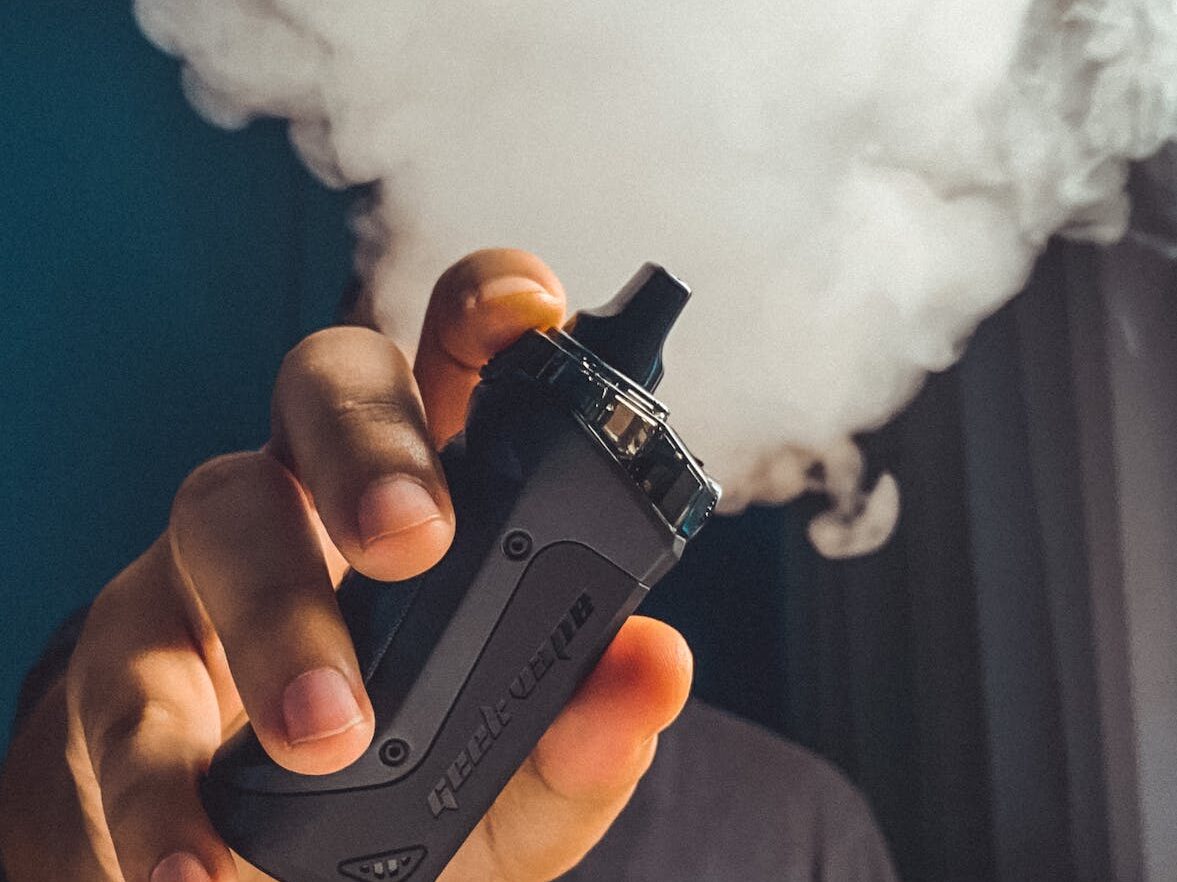
Behind every puff lies years of engineering and innovation that few users ever see. The evolution of vaping tells a fascinating story about how technology keeps reimagining everyday habits, and why this fusion of science and lifestyle is only getting smarter.
A Digital Leap From Traditional Smoking
In the early days of vaping, we mainly saw basic e-cigarettes that mimicked the look and feel of tobacco sticks. They offered limited vapor, inconsistent battery life, and little flavor control. Fast-forward a decade, and vaping has undergone a digital renaissance.
Manufacturers now integrate AI-driven sensors, advanced chipsets, and airflow technology that automatically adjust temperature and wattage. These systems make vaping not only smoother but also safer, with built-in protections against overheating or dry burns.
Some devices even feature haptic feedback, OLED displays, and Bluetooth connectivity that sync with mobile apps. Users can now track puff counts, monitor nicotine intake, or fine-tune vapor density, all from their phones.
In essence, vaping has graduated from being an analog substitute to a fully connected digital experience.
The Rise of Smart Design
What separates today’s devices from their predecessors isn’t just technology; it’s intention. Every new design prioritizes convenience, portability, and personalization.
Modern vapes now use draw-activated sensors rather than buttons, making them intuitive for beginners and more discreet for seasoned users. Sleek pod systems replace bulky tanks, and quick-charge batteries mean fewer interruptions throughout the day.
More brands are focusing on minimalist aesthetics, brushed metal casings, ergonomic grips, and leak-resistant designs that feel like consumer electronics rather than smoking tools.
It’s no surprise that tech enthusiasts, not just former smokers, are drawn to the sleek engineering and innovation that vaping represents.
Innovation in Flavor and Function
Technology hasn’t just changed the hardware; it’s also transformed how flavors are created and delivered. Advances in coil materials, wicking systems, and airflow engineering have allowed for more complex, consistent flavor production.
This has given rise to a new generation of modern vaping devices that combine scientific precision with creative experimentation. These devices are capable of reproducing nuanced flavor notes, from crisp fruits to creamy desserts, while maintaining temperature stability that prevents flavor burn.
The result? A smoother, more satisfying experience that appeals to a broad audience, whether for relaxation, sensory enjoyment, or simply curiosity about new tech.
Beyond taste, innovation also extends to functionality. Some devices feature automatic puff detection, self-cleaning coils, and replaceable pods that reduce waste and make maintenance effortless. This constant cycle of invention keeps the market fresh, competitive, and tech-driven.
Moreover, innovation has broadened options for individuals seeking to reduce or avoid nicotine altogether. These products emphasize flavor, sensation, and experience rather than reliance on addictive components. And for those exploring this option, platforms like HealthVape offer useful insight into mindful, nicotine-free vaping alternatives and current trends in the space.
Safety First: How Tech Is Making Vaping Smarter
One of the most underrated aspects of vaping innovation is the growing focus on safety. As with any consumer technology, reliability and user protection have become essential.
Smart chips now regulate temperature and voltage to prevent accidental overheating or explosions, problems that plagued early e-cigarette models. Real-time diagnostics can detect short circuits or low battery performance before they become hazards.
Meanwhile, auto-cutoff timers, child-safety locks, and leak-proof pods ensure that vaping devices meet global safety standards. Many companies also employ medical-grade materials for internal components, minimizing contamination and ensuring consistent quality.
As technology continues to advance, we’re likely to see even more innovations, such as wireless charging, AI-based puff analysis, and predictive maintenance, that make vaping safer and more efficient.
The Data-Driven Era of Vaping
As strange as it may sound, the future of vaping lies in data. Some of the most sophisticated devices now collect user metrics to create personalized profiles.
By tracking puff duration, frequency, and intensity, these systems can recommend ideal power settings or even suggest when a user might want to reduce nicotine intake. It’s the same principle used in fitness wearables, but applied to vapor technology.
For enthusiasts, this data provides insight into consumption habits and helps refine the overall experience. For developers, it offers invaluable feedback to improve device performance and user satisfaction.
In a world where every gadget is connected, from fridges to headphones, it’s no surprise that vaping has joined the Internet of Things (IoT) movement.
Eco-Friendly Tech: Sustainability Meets Innovation
The vaping industry is also confronting one of its biggest challenges: sustainability. While early models often produced e-waste through disposable cartridges and non-recyclable batteries, manufacturers are now rethinking their approach.
Innovations include biodegradable pods, recyclable materials, and modular components that extend a device’s lifespan. USB-C rechargeable systems have largely replaced single-use batteries, and some companies are exploring solar charging prototypes.
Even flavor production is becoming greener. Synthetic nicotine alternatives and cleaner manufacturing processes reduce waste and environmental impact, while refillable systems minimize single-use plastics.
This eco-conscious shift aligns perfectly with global consumer trends, especially among younger generations who expect their tech products to balance pleasure with responsibility.
The Role of AI and Automation
Artificial intelligence isn’t just revolutionizing software; it’s quietly reshaping hardware too. In vaping, AI can already analyze real-time puff data to optimize airflow, adjust temperature, and even detect coil degradation.
Some experimental systems go further, using machine learning algorithms to identify user preferences and automatically configure the best settings for flavor and vapor output.
Think of it as “auto-pilot mode” for your vape, a seamless experience that removes the guesswork entirely.
This fusion of AI and hardware marks the next chapter of vaping technology, where devices learn from their users and evolve alongside them.
How Tech Culture Has Influenced Vaping’s Growth
The vaping boom parallels another global phenomenon: the rise of tech culture. The same consumers who line up for the latest smartphone or smartwatch look for innovation, customization, and lifestyle branding of vaping.
Online communities share firmware updates, modification guides, and build tutorials much like hobbyist tech forums. Influencers and reviewers dissect new devices with the same enthusiasm once reserved for unboxing new laptops.
Vaping has become a symbol of modern identity, part tech, part lifestyle, blending creativity with digital culture. Whether it’s the sleek design language or the promise of personalization, vaping fits perfectly into the tech-driven narrative of convenience and control.
Regulation and Responsibility in a Connected World
With innovation comes responsibility. As vaping becomes more advanced, regulators are catching up to ensure consumer protection. Many governments are focusing on age restrictions, labeling accuracy, and the use of safer ingredients.
Manufacturers, on the other hand, are responding with greater transparency, publishing lab results, adopting traceable supply chains, and adding age-verification technology to devices and websites.
Tech-driven safeguards like biometric locks and QR-based authenticity checks are also emerging to prevent counterfeits and underage use. The result is a more accountable and transparent ecosystem that benefits both consumers and producers.
What the Future Holds
If the past decade is any indication, the next generation of vaping devices will have more innovative integration, greater safety, and more refined personalization. Imagine a vape that adjusts to your environment, increasing power on cold days, reducing vapor indoors, or syncing with your smartwatch for nicotine tracking.
Developers are already experimenting with voice-controlled features, wireless charging pads, and even AR-enhanced diagnostics that visualize how vapor flow works in real time.
At this point, vaping is no longer just a substitute for smoking; it’s a case study in how technology transforms human behavior.
Final Thoughts
Vaping sits at the intersection of innovation, design, and lifestyle, a perfect example of how technology turns everyday habits into elevated experiences.
From sensor-driven customization to sustainable design, each iteration of vaping tech brings the industry closer to a future where devices adapt to users, not the other way around.
And while debates around vaping’s health implications will continue, its technological evolution is undeniable. It reflects the broader truth about modern innovation: once technology finds a new frontier, even something as ordinary as a puff of vapor, it doesn’t just improve it; it reinvents it.

