

Solar batteries can store surplus energy and make it available when needed. Lithium batteries are popular for solar storage because they offer efficient performance and require limited routine maintenance.
However, connecting one to your solar setup requires careful planning and correct installation. You need to consider battery voltage, capacity, and other factors. A suitable hybrid solar system can coordinate solar generation, battery storage, and grid electricity based on your energy requirements.
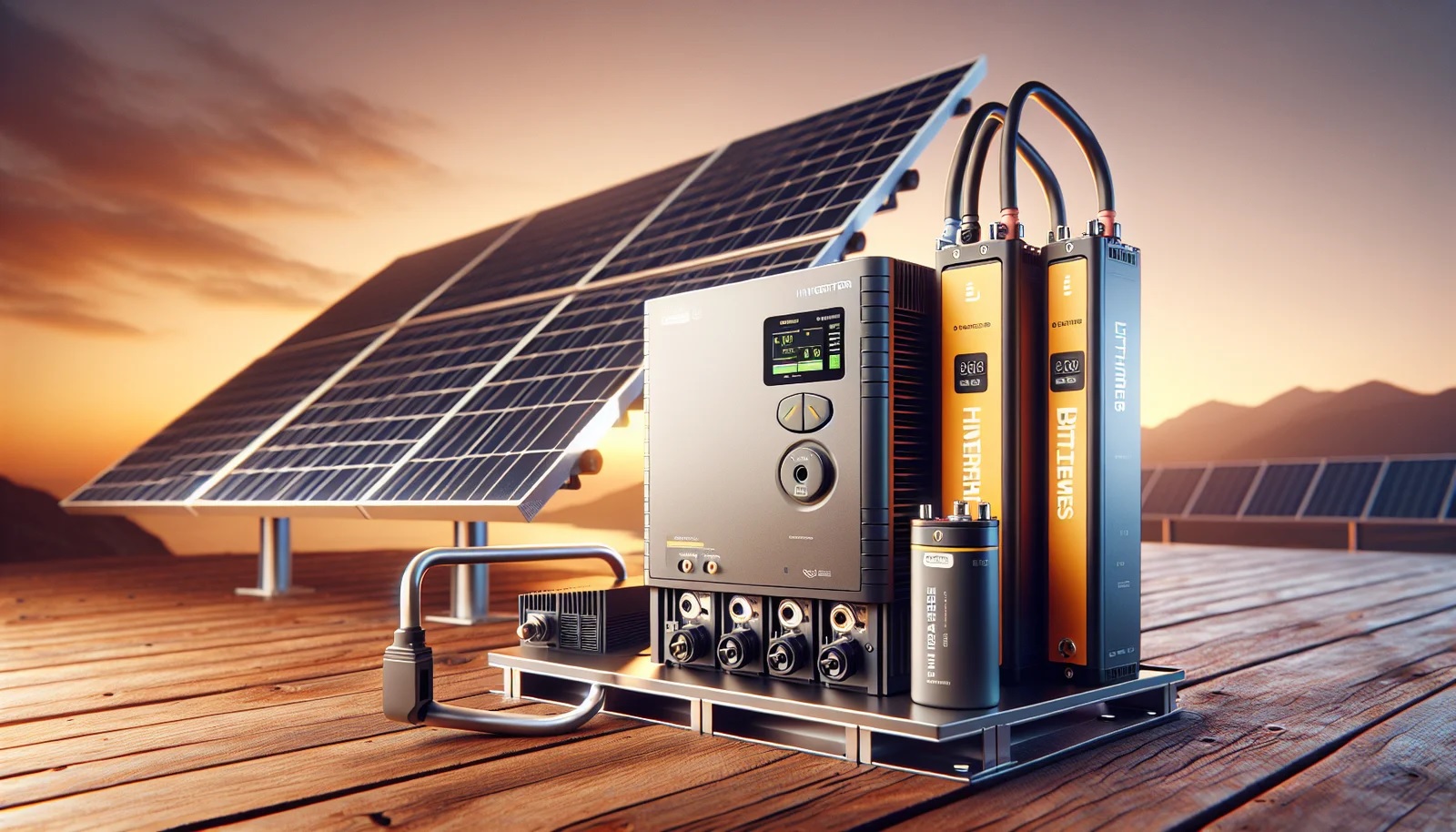
Before making any connections, understanding the correct process can help you avoid installation errors.
How Can You Safely Connect Lithium Batteries to a Hybrid Solar System?
Pairing a lithium battery with your solar setup involves several important checks and installation steps.
- Check Your Hybrid Inverter Compatibility
Start by reviewing your hybrid inverter specifications. Confirm that it supports lithium battery technology and the battery chemistry you intend to use. Also check its supported voltage range, maximum charging current, and discharge limits.
Communication compatibility is equally important. Some batteries require communication between the Battery Management System (BMS) and inverter. Check the manufacturer’s compatibility information before connecting the equipment.
- Choose a Lithium Battery That Matches Your System
Select a lithium battery that is compatible with your inverter and intended application. Its capacity should match your energy storage and backup requirements. Your daily electricity consumption can help determine the required storage capacity.
Also review the battery’s operating voltage, maximum current, usable capacity, and charging requirements. For a hybrid solar system, choosing a compatible battery can support safe and reliable energy transfer.
- Match The Battery Voltage and Capacity
Ensure the battery voltage falls within the operating range specified by your hybrid inverter. Check both the nominal voltage and permitted operating range before making connections.
Battery capacity also matters. A smaller battery may provide limited backup, while an unnecessarily large battery can increase costs. Consider your expected loads, solar generation, and backup requirements when selecting capacity.
- Verify The Battery Management System
A BMS monitors parameters such as voltage, current, and temperature. It also helps protect the lithium battery from unsuitable operating conditions. Confirm that your selected battery includes an appropriate BMS.
Check if the BMS can communicate with the inverter. Compatible communication allows the inverter to receive battery information and manage charging and discharging correctly within a hybrid solar system.
- Select a Safe Location For Battery Installation
Install the battery in a dry, secure, and suitable location. Avoid areas exposed to excessive heat, moisture, or direct sunlight. Maintain the ventilation and clearance recommended by the manufacturer.
The location should also allow easy inspection and maintenance. Keeping the battery protected from accidental damage can support safer and more consistent operation.
- Connect The Battery to The Hybrid Inverter Correctly
Follow the wiring diagram and connection sequence provided by the manufacturers. Use correctly rated cables, connectors, fuses, isolators, and other protective components.
Ensure the relevant equipment is safely isolated before making electrical connections. Do not bypass protective devices or improvise wiring arrangements. Correct installation helps your hybrid solar system operate safely.
- Configure BMS Communication and Inverter Settings
After completing the physical connections, configure communication between the BMS and inverter where supported. Connect the appropriate communication cable and select the correct battery protocol.
Set charging voltage, charging current, discharge limits, and operating modes according to manufacturer specifications. Avoid using settings designed for another battery model, as incorrect configurations can affect your hybrid solar system.
- Test The System Before Regular Operation
Inspect all connections and protective components before regular use. Check that cables are secure and the inverter displays the expected battery information. Look for fault codes, warning indicators, or unusual temperatures during initial testing.
Monitor the first charging and discharging cycles carefully. If the battery behaves unusually or the inverter displays an unexpected warning, stop operation and seek professional assistance before continuing to use the hybrid solar system.
- Get The Installation Checked By a Qualified Professional
A qualified solar or electrical professional can verify the completed installation. They can inspect wiring, protective devices, earthing, communication connections, and inverter settings.
Follow applicable electrical requirements and manufacturer instructions throughout the installation. Keeping equipment documentation can also help with future inspections and maintenance. Professional verification can provide an additional safety check for your hybrid solar system.
Follow the Right Steps to Pair Lithium Batteries Safely
A properly paired lithium battery can support dependable energy storage and efficient power management. Choosing compatible equipment and following the manufacturer’s specifications can help maintain safe system operation.
Solar solution providers like Eastman Auto & Power Limited can help you understand suitable battery and inverter options for your energy requirements. Professional installation can further reduce connection and configuration risks.
Make safety a priority from the initial selection through regular system use, and seek qualified assistance whenever you are unsure about electrical connections or system settings.

