

Sizing is one of the few boiler decisions that is difficult to correct later. Once the plant is installed, a facility largely lives with the consequences.
The instinct on most projects is to round upwards, on the reasoning that spare capacity is a safety margin. That instinct is understandable and it is frequently expensive.
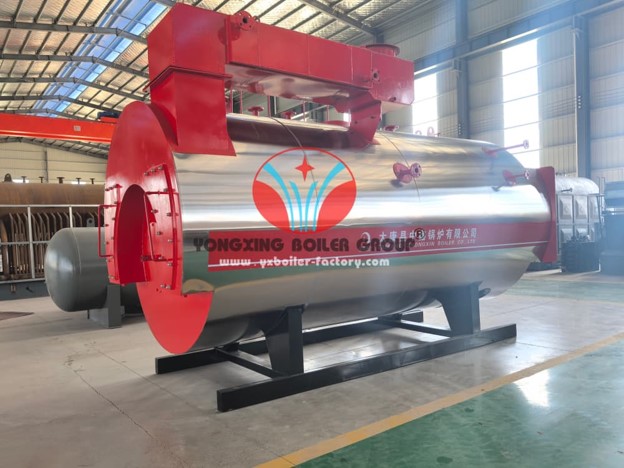
What Happens When a Boiler Is Too Small?
An undersized system is the more obvious failure. It cannot meet peak demand, so pressure drops when production is heaviest and processes downstream suffer.
Running permanently at maximum output also leaves nothing in reserve. There is no headroom for a cold start, an unusually heavy shift or a gradual increase in demand as the business grows.
This is the scenario everyone plans to avoid, which is precisely why the opposite problem is so common.
What Happens When a Boiler Is Too Large?
An oversized boiler will meet demand. That is not the issue.
The issue is that a gas fired boiler running well below its rated output spends much of its time cycling on and off rather than running steadily. Each start involves a purge cycle and a period of unstable combustion before conditions settle, and if the burner shuts down shortly afterwards the cycle repeats.
Frequent cycling reduces operating efficiency and adds wear to burner components, ignition equipment and controls. It also makes steady pressure harder to hold, which is the opposite of what the extra capacity was bought for.
The capital cost is higher too, along with the space taken and in some cases the standing charges.
Establishing Actual Demand
Good sizing starts with knowing what the facility genuinely uses, which is not always what the equipment list suggests.
The usual method is to total the steam requirement of every consumer on site. The refinement that matters is the diversity factor: in most facilities, not everything runs at once. Adding up nameplate figures for all equipment and treating the total as the peak demand is a reliable route to an oversized plant.
Where an existing boiler is being replaced, actual consumption records are far better evidence than calculation. Fuel use and steam output over a representative period show what the site really draws, including the pattern across a shift.
Peak demand, the duration of that peak, the base load between peaks and the pattern of daily and seasonal variation are all worth establishing separately. A short sharp peak once a shift is a different sizing problem from a sustained high load.
Turndown Ratio
Where load varies widely, turndown ratio deserves more attention than it usually gets.
Turndown describes how far a burner can reduce its output while still running stably. A burner with a wide turndown range can follow a falling load down rather than shutting off, which reduces cycling.
For a site with a genuinely variable demand, turndown capability may matter more than the headline capacity figure. It is worth asking about specifically, because it is not always prominent in a quotation.
Multiple Smaller Units
Where the load varies a great deal, two or more smaller boilers are sometimes a better arrangement than one large one.
The advantage is that units can be brought in as demand rises and taken out as it falls, so those running operate closer to their efficient range. There is also redundancy: maintenance on one unit does not stop production.
The tradeoffs are real. Multiple units cost more in capital, take more space, need more control complexity and involve more equipment to maintain. Whether the arrangement is worth it depends on how variable the load actually is and how costly an unplanned shutdown would be.
Allowing for Future Growth
Planned expansion should influence sizing, but there is a difference between a plan and a possibility.
If a documented expansion is scheduled within a defined period, sizing for it can make sense. If growth is aspirational, building a large boiler now means running an oversized system inefficiently for years in the hope of eventually needing it.
Leaving physical space and connection provision for a second unit is often the better answer. It costs comparatively little at the design stage and avoids committing to capacity that may not be required.
Pressure and Operating Conditions
Capacity is not the only specification that matters, though it attracts most of the attention.
Working pressure, feed water temperature, operating hours, available space, flue arrangements and gas supply capacity all shape which system is appropriate. A quoted output figure assumes particular conditions, and if site conditions differ then real output will differ too.
Condensate return deserves a mention here. Returning hot condensate reduces the energy needed to raise steam, and a system designed to make good use of it will consume less fuel than one that does not.
Yongxing Boiler and Capacity Selection
Yongxing Boiler manufactures industrial boiler systems and equipment for a range of fuels and applications.
When discussing capacity with any supplier, the useful conversation covers the steam demand profile rather than a single peak figure. Base load, peak load, how long peaks last, how often they occur and how the load is expected to change over time all inform which system fits.
Working pressure, turndown requirements, available space, degree of automation, installation requirements, applicable safety standards and expected maintenance belong in the same discussion. A supplier working from a demand profile is in a better position to specify sensibly than one working from a single number.
Conclusion
Boiler capacity should follow measured demand rather than a rounded estimate with a margin added for comfort.
Underseeing causes visible problems at peak. Oversizing causes less visible ones that persist through every hour of operation, in the form of cycling, reduced efficiency and additional wear.
The most productive work on a boiler project usually happens before any equipment is specified, in establishing what the facility actually consumes and how that consumption varies across a normal week.

