

In mining, construction, oil and gas, transportation, and manufacturing, a single missed inspection or an expired certification can be the difference between a routine shift and a serious incident. Safety managers in these industries are not managing paperwork for its own sake. They are managing exposure: to injury, to regulatory penalties, and to the kind of operational disruption that follows a stop-work order. This is where EHS software earns its place. The right environment, health, and safety platform turns scattered records, manual sign-offs, and reactive reporting into a connected system that helps you see risk before it becomes an incident.
This article is written for safety managers, operations managers, compliance officers, and training coordinators working in Canada’s highest-hazard sectors. It covers the challenges these industries share, what to look for when evaluating a platform, and why software built specifically for high-risk work outperforms generic tools. It also explains how BIS Safety Software supports organizations operating under demanding regulatory and operational conditions.
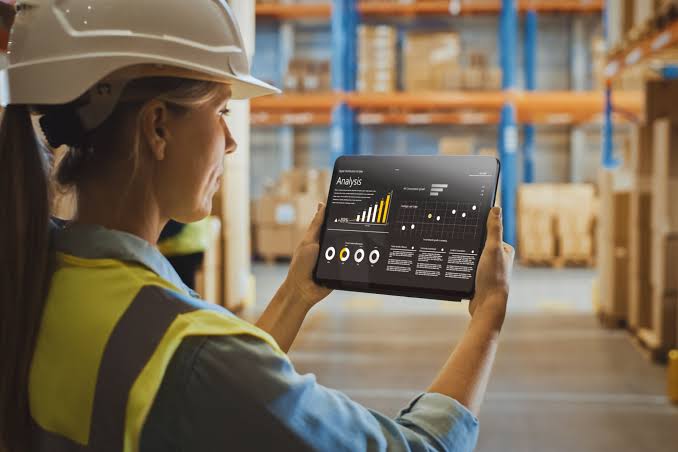
What Is EHS Software?
EHS software is a digital platform that helps organizations manage environment, health, and safety responsibilities in one place. It centralizes safety documentation, automates training and certification tracking, standardizes incident reporting, manages contractor compliance, and produces the records needed to demonstrate due diligence to regulators. For high-risk industries, an occupational health and safety software system replaces binders, spreadsheets, and disconnected forms with a single source of truth.
Key Challenges Facing High-Risk Industries
High-hazard worksites in Canada share a set of pressures that smaller or lower-risk businesses rarely face at the same intensity:
- Complex regulatory obligations. Each province and territory enforces its own occupational health and safety legislation, and federally regulated operations answer to the Canada Labour Code. Layer on WHMIS 2015, transportation of dangerous goods rules, and sector-specific codes for mines or pressure equipment, and compliance becomes a moving target.
- A mobile, distributed workforce. Crews move between sites, shifts, and projects. Keeping certifications current and orientations complete across that churn is difficult with manual tracking.
- Heavy contractor and subcontractor use. Construction and oil and gas projects often run with more contractors than direct employees. Verifying that every contractor meets safety prequalification standards before they reach the gate is a constant administrative burden.
- High consequence of failure. A confined-space entry, a haul-truck operation, or a lockout-tagout procedure leaves little room for error. The cost of a lapse is measured in lives, not just dollars.
- Audit and due diligence pressure. Following the Westray amendments to the Criminal Code, organizations and individuals can face criminal liability for workplace safety failures. Demonstrating due diligence requires complete, time-stamped records, which manual systems struggle to produce on demand.
Safety leaders in these sectors are often asked to do more oversight with the same headcount. That gap is exactly what a digital safety management platform is built to close.
Why EHS Software Is Essential for Modern Safety Management
Spreadsheets and paper forms were never designed for the volume, speed, and accountability that high-risk operations demand. A modern safety management software system changes the work in several concrete ways.
It moves safety from reactive to proactive. Instead of finding out a certification lapsed when a worker shows up unqualified, the system flags it weeks in advance. Instead of learning about a near miss through hallway conversation, you capture it on a mobile device at the worksite and route it for action the same day.
It also protects the organization. When an inspector or auditor asks for evidence, compliance management software produces the inspection logs, training records, signed procedures, and corrective actions in minutes rather than days. That speed is the practical face of due diligence.
Finally, it reduces administrative drag. Every hour a coordinator spends chasing signatures, re-keying form data, or rebuilding a training matrix is an hour not spent on field safety. Automating those tasks frees skilled people to focus on the work that actually reduces risk.
Features to Look for in EHS Software
Not every platform is built for heavy industry. When you evaluate a platform for high-risk industries, prioritize the capabilities that map directly to your exposure:
- Training and certification management. Automated tracking, renewal reminders, and a learning management system that delivers and records competency-based courses.
- Digital safety documentation. Mobile forms for inspections, hazard assessments, toolbox talks, JSAs, and permits that work in the field and sync when connectivity returns.
- Incident and investigation management. Standardized reporting, root-cause analysis, and corrective-action tracking with full audit trails.
- Contractor management. Prequalification, document collection, and compliance verification before contractors begin work.
- Reporting and analytics. Dashboards that surface leading and lagging indicators, overdue items, and trends across sites.
- Scalability. The ability to support thousands of workers, multiple sites, and complex organizational structures without breaking down.
- Regulatory alignment. Content and workflows that reflect Canadian OHS requirements, including provincial variation and COR audit standards.
Use this comparison to gauge fit:
Capability
Generic EHS Platform
Industry-Specific Safety Management Software
Offline field functionality
Often limited
Built for remote and low-connectivity sites
Canadian regulatory content
Generalized or US-centric
Aligned to provincial OHS and COR requirements
Contractor prequalification
Add-on or absent
Native to high-risk workflows
Training delivery (LMS)
Separate system
Integrated course delivery and tracking
Scalability for large operations
Variable
Designed for thousands of distributed workers
How BIS Safety Software Supports High-Risk Industries
BIS Safety Software is built for the realities of heavy industry rather than retrofitted from a general business tool. It serves more than 1,600 organizations and combines EHS management software with a full learning management system, so safety records and workforce training live in the same connected environment.
For mining, construction, oil and gas, transportation, and manufacturing, that combination matters in practical ways:
- Industry-specific functionality. Workflows reflect how high-hazard work actually happens, from confined-space permits to equipment inspections to field-level hazard assessments. Offline-capable mobile forms keep remote crews productive where connectivity is unreliable, which is a common reality on mine sites and pipeline right-of-ways.
- Workforce training management. The integrated LMS delivers, assigns, and tracks competency-based training, with automated reminders before certifications expire. Training coordinators can see exactly who is qualified for which task across every site.
- Contractor management. Prequalification and document verification confirm that contractors meet your safety standards before they reach the gate, reducing the compliance gap that distributed projects create.
- Digital safety documentation. Inspections, audits, toolbox talks, incident reports, and corrective actions are captured digitally and centralized, replacing binders and disconnected spreadsheets.
- Reporting and analytics. Dashboards give safety and operations managers a live view of leading indicators, outstanding actions, and site-by-site performance, so problems surface early.
- Ease of implementation and scalability. The platform is designed to roll out across complex organizations and grow with them, supporting large, multi-site workforces without forcing a process rebuild.
BIS also offers AI-assisted tools, including an AI Form Assistant and an AI Course Builder, that help teams build forms and training content more efficiently. The aim throughout is the same: less administrative load, stronger accountability, and better visibility into risk.
Benefits of Choosing Industry-Specific Safety Software
Choosing a platform designed for high-risk work, rather than a generic EHS tool stretched to fit, produces measurable advantages across the safety program:
- Improved safety compliance. Workflows and content reflect Canadian OHS obligations, making it easier to stay aligned as regulations change.
- Reduced administrative workload. Automation removes manual data entry, signature chasing, and report assembly.
- Streamlined training and certification. Renewals, assignments, and competency records are managed automatically rather than tracked by hand.
- Increased workforce accountability. Digital sign-offs and time-stamped records make it clear who completed what, and when.
- Improved audit readiness. Complete, organized records can be produced on demand for inspectors, auditors, and COR assessments.
- Centralized safety records. One source of truth replaces scattered files across sites and departments.
- Enhanced operational efficiency. Less rework and faster information flow keep projects moving.
- Reduced risk exposure. Early warnings, consistent procedures, and faster corrective action lower the likelihood of incidents.
A generic platform can record data. A system built for high-hazard industries helps you act on it, in the conditions your crews actually work in.
Common Mistakes Companies Make When Selecting EHS Software
Even experienced safety leaders run into avoidable traps during the selection process. The most common mistakes include:
- Choosing on price alone. The cheapest option often lacks the field functionality, regulatory alignment, or scalability that high-risk work requires, creating hidden costs later.
- Overlooking offline capability. Tools that depend on constant connectivity fail at the remote sites where many high-hazard operations run.
- Treating training as separate from safety. When the LMS and the EHS system do not talk to each other, certification gaps slip through.
- Ignoring contractor management. Underestimating contractor compliance leaves a large, recurring exposure unaddressed.
- Skipping scalability. A platform that works for one site may buckle across a multi-site, multi-thousand-worker operation.
- Underestimating implementation and adoption. Software only reduces risk if frontline workers actually use it, so ease of use and rollout support matter as much as the feature list.
The throughline is simple: match the tool to the hazard. The best safety management software for a high-risk organization is the one designed for how that organization actually operates.
Conclusion
For safety managers in mining, construction, oil and gas, transportation, and manufacturing, risk does not wait for paperwork to catch up. The right EHS software gives you a connected, real-time view of training, documentation, contractors, and incidents, so you can act before a gap becomes an event. It strengthens compliance, sharpens accountability, and makes due diligence something you can prove, not just claim.
BIS Safety Software brings together safety management and workforce training in a single platform built for the demands of high-hazard work in Canada. If you are ready to reduce administrative load, centralize your safety records, and lower your risk exposure across complex worksites, learn more about BIS Safety Software and book a demo to see how it fits your operation.
Frequently Asked Questions
What is the best EHS software for high-risk industries?
The strongest option is one purpose-built for heavy, distributed, field-based work rather than adapted from a general business tool. It should include offline-capable mobile forms, integrated training and certification management, contractor prequalification, robust reporting, and content aligned with Canadian OHS requirements. BIS Safety Software is widely used across mining, construction, oil and gas, transportation, and manufacturing for these reasons.
How does safety management software help with regulatory compliance in Canada?
Occupational health and safety software helps Canadian organizations meet provincial and federal occupational health and safety obligations by standardizing inspections and hazard assessments, tracking required training and certifications, and maintaining complete, time-stamped records. When an auditor or inspector requests evidence, the system produces it quickly, which supports a due diligence defence and simplifies COR audits.
Is industry-specific safety software better than a generic platform?
For high-hazard operations, yes. Generic platforms often lack offline functionality, contractor management, integrated training delivery, and Canadian regulatory alignment. Industry-specific safety management software is designed for the conditions, workflows, and scale of heavy industry, which means stronger adoption in the field and more reliable risk reduction.

