

Six months of clean eating. Four gym sessions a week. And the scale just sits there, mocking you.
I’ve watched this happen to people I know. Same story every time. They cut the obvious stuff, sugar, fried things, the late-night biryani runs, and the first few kilos drop off easily enough. Then nothing. Weeks of nothing. Sometimes the weight even creeps back up, which is the part that really gets in your head, because by every reasonable measure you’re doing more than you used to and getting less for it.
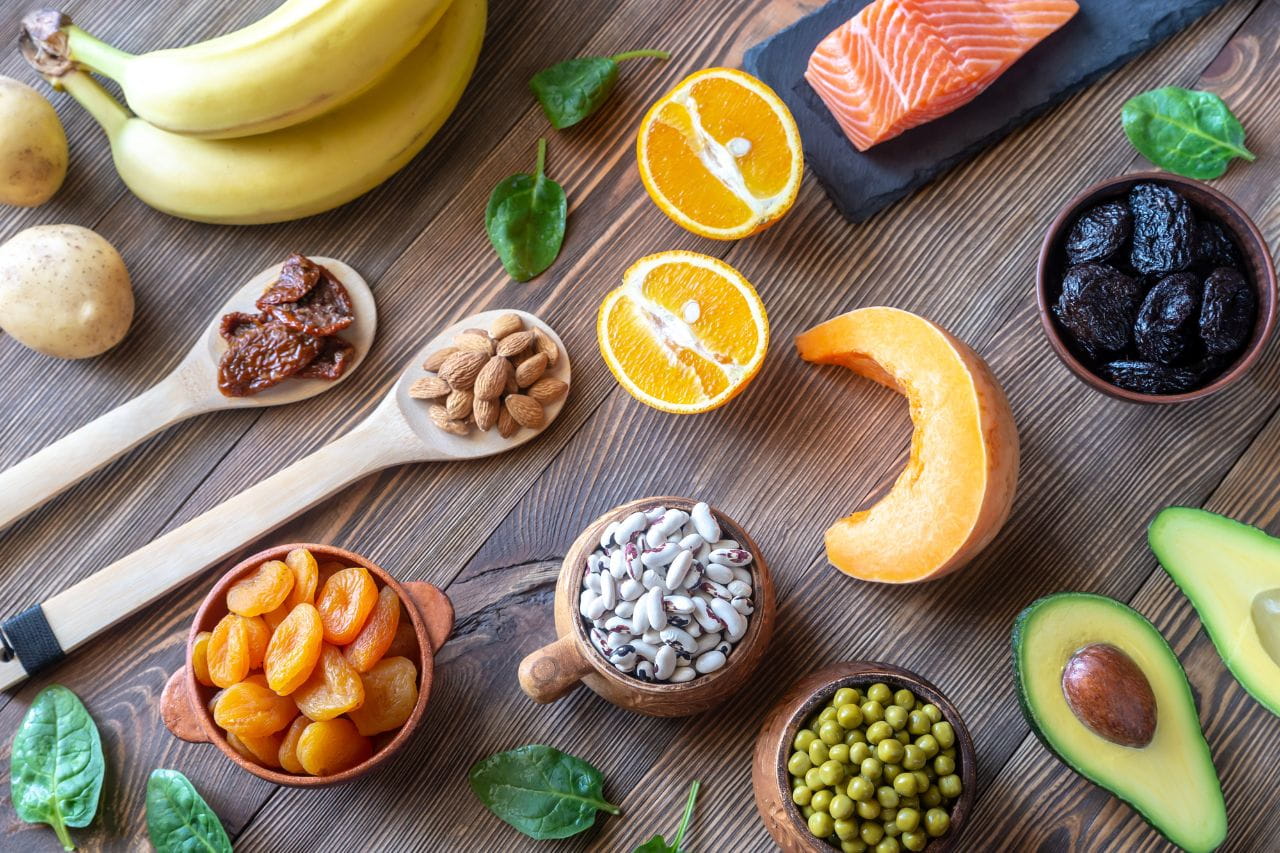
Here’s the thing nobody mentions. Sometimes the foods that are supposed to be helping you are quietly working against you, and a food sensitivity test is the only way you’d ever find out.
The bit about inflammation that gets skipped
Calories in, calories out. That’s the bumper sticker version. It works fine on paper and it works fine for a while in real life too, until your body decides it doesn’t.
What’s actually going on underneath, when weight loss stalls, is usually some flavour of low-grade inflammation. You eat something your immune system has decided to be cautious about, and instead of a dramatic reaction, you get a small one. Cytokines go up. Cortisol rises. Insulin starts behaving oddly. None of this feels like anything in particular. Maybe a bit of bloat after lunch. Maybe a 4pm slump you’ve started blaming on work. The body is holding onto water and storing fat, and you are doing absolutely everything you’re meant to be doing.
What you actually find out from testing
A food sensitivity test, the kind worth bothering with, runs a sample of your blood against around a hundred different foods and looks for elevated IgG markers. The higher the reading, the louder your immune system is grumbling about that particular food.
What surprises people is the list. Dairy comes up a lot, especially cow’s milk products, which makes sense given how much paneer and curd and milky chai we get through. Eggs turn up too, often only the whites and not the yolks. Wheat and gluten grains. Almonds, cashews, the very nuts everyone shifted to when they swore off dairy. Soy, which is in nearly every processed thing now. And spices, of all things, the heavy ones we cook with daily.
Why this matters more than another diet plan
Two people, same gym, same trainer, same calorie target. One reacts to nothing. The other reacts to four of the foods they’re eating every day. Six months in, the second person is angry, tired, and slightly heavier than they started, and the first one is in the new jeans. Same effort, wildly different result, and it has nothing to do with willpower.
Inflammation traps fluid in tissues. Insulin gets sluggish, so the carbs you eat are more likely to be parked as fat than burned in your workout. The gut lining gets a bit leaky, you absorb nutrients badly, you find yourself ravenous at 10pm for no reason you can explain.
Imagine a perfectly sensible breakfast. Oats, almond milk, a banana, maybe some chia. Healthy by any reasonable definition. Now imagine you happen to react to oats and almonds, which loads of people do without realising. You’ve just started your day with a slow inflammatory drip, and you’ll repeat it tomorrow, and the day after.
A food sensitivity test cuts the guessing short. You stop running on instinct and start running on data.
What to do once the report turns up
Don’t try to overhaul everything in week one. That’s how people fail at this. Take the top three to five reactions on the report, the loudest ones, and pull them out properly for six weeks. Not “mostly”. Properly.
Keep some kind of log while you’re at it. Weight, energy, how well you slept, mood, digestion. Nothing fancy, just enough that you can look back at week four and see what shifted. Most people notice something in the first month, usually a few kilos coming off, a chunk of it water weight settling down as the inflammation calms, then proper fat loss as cortisol returns to something like normal.
Reintroducing food is its own discipline. One thing at a time. Eat it on Monday and Tuesday, leave it from Wednesday to Friday, watch for symptoms returning. If the body grumbles, that food stays out a while longer. If it doesn’t, it goes back into rotation.
Some sensitivities are stubborn and don’t really clear. Plenty of others fade once the gut heals, which is why a repeat food sensitivity test six months down the line is worth doing. It often shows half the original triggers have quietened down, which means foods you’d written off forever can come back to the table.
Conclusion
If you’ve done the work and the scale isn’t co-operating, the problem isn’t usually that you need to try harder. It’s usually that something in your daily diet is keeping your body in a low-grade defensive crouch, and nothing changes until that piece changes.
A food sensitivity test won’t melt fat for you. Nothing does. But it does tell you which foods to leave alone for a bit so your body can finally get on with the work you’ve been asking it to do for months.

