

In an era where energy efficiency is a priority for many homeowners, integrating smart technology into their homes has become increasingly appealing. Not only does smart home technology offer convenience and control, but it also paves the way for significant savings in energy consumption. As more people become aware of the environmental and economic benefits, the adoption of smart technology for energy efficiency continues to rise.
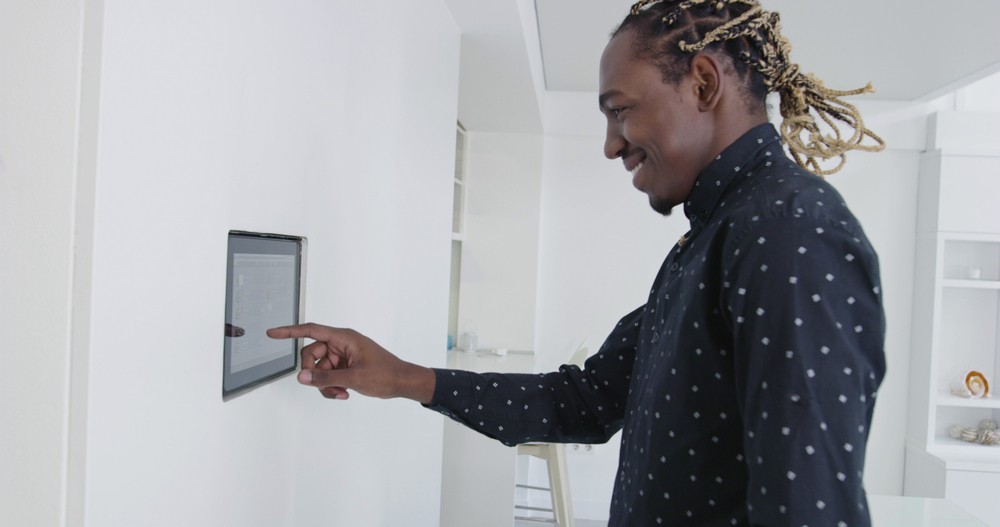
Several smart home devices allow homeowners to monitor and optimize their energy usage. Whether through smart thermostats, energy-efficient lighting, or advanced HVAC systems, these technologies empower homeowners to take control of their energy consumption. Moreover, the use of smart devices aligns well with the growing concern for sustainable living, making it a relevant and urgent consideration for modern households.
While smart technology offers a pathway to enhanced energy efficiency, it is essential to adopt these solutions thoughtfully for maximum impact. By understanding the energy consumption patterns within a household, tailored smart solutions can be implemented to reduce energy waste.
Understanding Energy Consumption in Homes
It’s crucial to understand where most home energy is utilized when considering efficiency upgrades. According to Onedesk, HVAC systems emerge as significant energy consumers, with an average central unit using approximately 3500 watts and operating two to three times an hour for 10-15 minutes.
Therefore, focusing on optimizing heating, ventilation, and cooling systems can lead to meaningful reductions in energy consumption.
The integration of smart thermostats, for instance, can substantially reduce HVAC energy usage by allowing homeowners to program and control temperatures from anywhere. These devices learn user behavior, adjusting temperatures accordingly to ensure energy efficiency without compromising comfort. By keeping energy usage closely monitored, households can realize immediate savings on their energy bills.
Furthermore, innovative energy management systems provide comprehensive insights into household energy consumption patterns. With real-time monitoring capabilities, these systems help homeowners identify peak consumption times and adjust their habits accordingly. Through easy-to-use applications, homeowners remain informed and empowered to make energy-saving decisions consistently.
The Role of Backup Generators
An often overlooked aspect of home energy efficiency is the role of backup power solutions. According to Oberlin College and Conservatory, around 14.1% of households in the U.S. have generators. As power outages become more frequent, having a reliable backup can prevent wasteful energy loss and protect perishable goods within homes.
Generators are becoming a staple as concerns about power outages rise, with 84% of Americans expressing concern, according to PR Newswire. A backup power source ensures the continued functionality of essential appliances, contributing to overall household energy resilience. When paired with energy-efficient practices, generators can provide a seamless transition during power disruptions, maintaining both comfort and sustainability in homes.
Smart backup solutions are evolving, offering more efficient and environmentally friendly energy alternatives than traditional models. Solar-powered generators, for example, utilize battery storage systems to harness and use solar energy. This not only curbs reliance on non-renewable energy but ensures a sustainable backup solution that aligns with the broader goals of energy efficiency and environmental conservation.
Smart Lighting and Energy Monitoring
In addition to HVAC systems and generators, lighting is a crucial component of home energy consumption. Smart LED lighting solutions not only use less electricity but also offer programmable scheduling and motion detection features. These technologies help ensure that lights are used only when needed, further enhancing domestic energy efficiency.
Advanced home energy monitoring systems provide insightful analytics on overall household energy use, highlighting areas for improvement. These systems enable homeowners to track their consumption in real-time, allowing them to make informed decisions and adjustments. By understanding their energy footprint, homeowners can implement strategies that promote efficient energy usage and cost savings.
The integration of smart technology into homes represents a significant step forward in enhancing energy efficiency. By understanding where energy is consumed most and implementing smart solutions strategically, homeowners can achieve substantial savings and environmental benefits. As awareness and adoption continue to grow, smart homes are undoubtedly paving the way for a more sustainable future.

