

Every modern building—whether a home, office, factory, or commercial space—relies on a complex electrical system running quietly behind the walls. Lights, appliances, computers, air-conditioners, and security systems all depend on a stable and safe flow of electricity. As buildings become more advanced and technology-driven, electrical safety has become one of the most important factors in ensuring long-term reliability and occupant well-being.
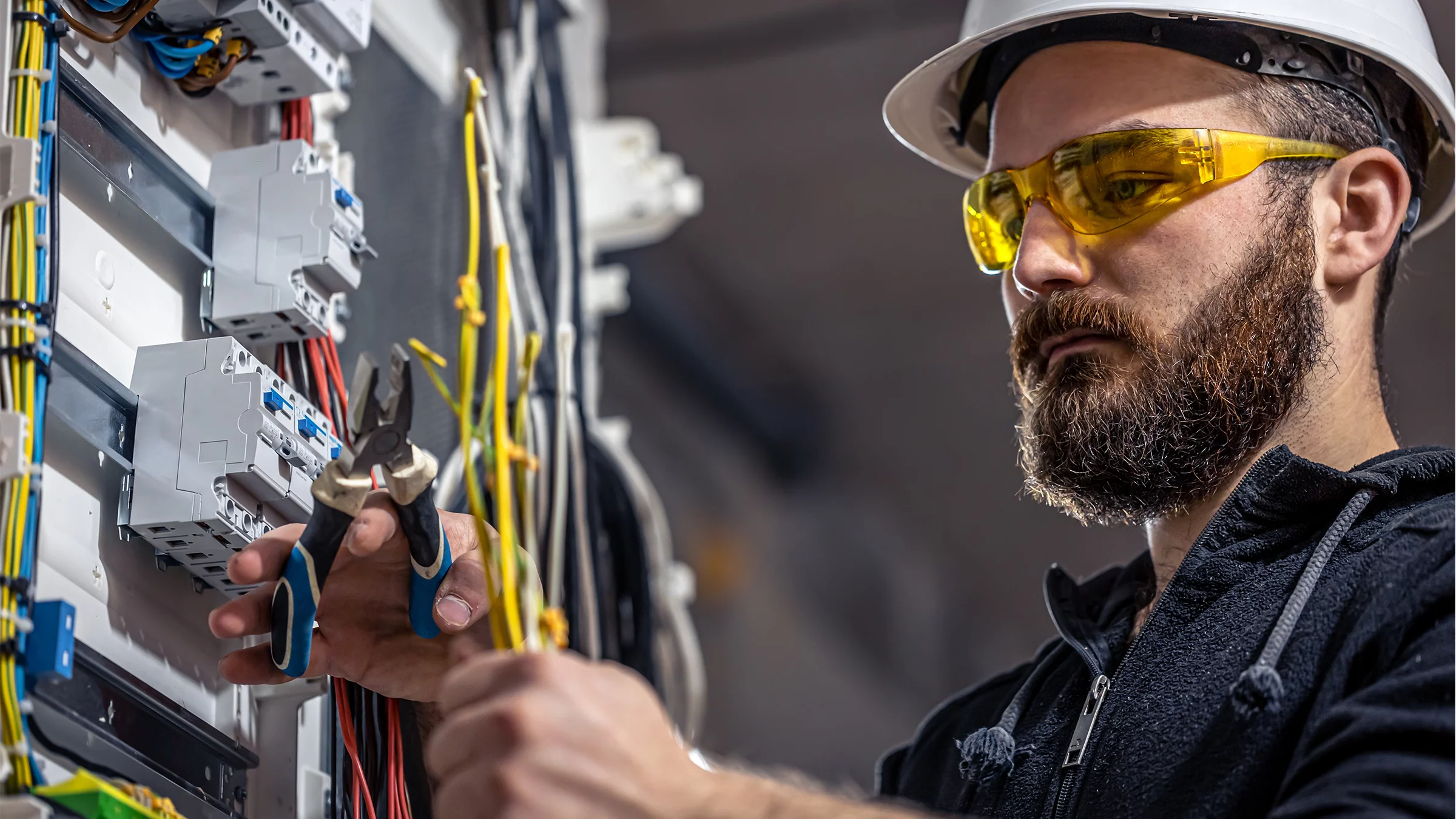
The Foundation of a Safe Electrical System
A building’s electrical system is designed to distribute electricity efficiently while preventing hazards such as overloading, overheating, or short circuits. These risks may seem rare, but they can easily occur if systems are poorly designed, outdated, or neglected.
The foundation of electrical safety lies in proper wiring, high-quality components, and effective protective devices. Even though they remain mostly unseen, these elements serve as a building’s first line of defense against electrical faults.
Why Electrical Protection Matters
Electricity is essential, but it can also be dangerous when not properly controlled. Electrical faults can cause breakdowns, damage equipment, or, in more severe cases, start fires. Ensuring proper protection helps prevent costly repairs, equipment failures, and safety incidents.
Preventing overload
Electrical circuits can only handle a certain amount of current. If appliances draw more current than a circuit can support, the wiring may overheat. Good electrical design prevents these situations from escalating.
Reducing downtime
In commercial and industrial spaces, downtime caused by electrical failures can halt operations and lead to significant losses. Effective protection helps maintain smooth workflow.
Protecting equipment
Modern equipment—from computers to machinery—relies on stable power. Sudden spikes or faults can cause irreversible damage.
The Role of Protection Devices
Protection devices automatically detect electrical abnormalities and interrupt power flow before issues escalate. These devices act quickly and quietly, often preventing major incidents without users even noticing.
Circuit breakers
Circuit breakers disconnect power when they detect excess current. This helps stop overheating and prevents damage to wiring and connected devices.
Fuses
Fuses melt under excessive current, interrupting the circuit. Though simple, they provide essential protection in certain applications.
Advanced protective devices
In larger electrical systems, more specialised devices are used to manage higher loads and complex wiring. For instance, mccbs are commonly used for enhanced protection in commercial and industrial environments where higher fault levels are expected.
Each device plays a unique but necessary role in maintaining electrical safety.
Building Design and Electrical Planning
Safe electrical systems begin with proper planning. Electrical engineers consider building layout, power requirements, and potential load variations when designing circuits.
Distribution planning
Electricity must be distributed evenly across rooms and floors. Poor distribution can lead to overloaded circuits, especially in areas with high-power appliances.
Load forecasting
Modern buildings often house equipment that wasn’t common two decades ago—servers, smart appliances, automation systems, and heavy electronics. Planning for future needs helps avoid costly upgrades later.
Safety compliance
Buildings must follow electrical codes and safety standards. These regulations are designed to reduce risks and ensure the long-term reliability of electrical installations.
Maintenance: The Key to Long-Term Safety
Even the best-designed systems need regular maintenance. Over time, wires can loosen, dust can accumulate, and components can degrade.
Routine inspections
Scheduled inspections help detect wear, corrosion, or changes in performance before they become serious issues.
Testing protection devices
Protection devices should be tested regularly to ensure they still function correctly. A device that fails at a critical moment can lead to major hazards.
Upgrading old systems
Older buildings may still rely on outdated wiring or components. Upgrading these improves safety and increases compatibility with modern electrical demands.
Electrical Safety in Homes
Homeowners often underestimate the importance of electrical safety. Everyday conveniences—air-conditioners, kitchen appliances, entertainment systems, and chargers—all contribute to the overall load.
Safe appliance usage
Using multiple high-power appliances on the same circuit can cause overloads. Spreading them across different outlets helps maintain balance.
Extension cords
While useful, they should never be a permanent solution for powering multiple devices.
Child safety
Childproof outlets, covered sockets, and organized cables reduce risk in households with children.
Electrical Safety in Commercial and Industrial Spaces
Workplaces have more complex electrical needs, especially in settings where machinery or high-powered equipment is used.
Industrial load management
Factories often run multiple machines simultaneously. Proper power distribution prevents overloads and equipment failures.
Office environments
Computers, servers, printers, and lighting systems require stable power to avoid downtime.
Emergency backup systems
Backup generators and UPS systems ensure critical operations continue during power outages.
The Future of Electrical Safety
As buildings become smarter, electrical systems are evolving too. Modern safety systems use sensors, automation, and monitoring tools to detect issues in real time.
Smart monitoring
These systems provide alerts when circuits are overloaded or when components show signs of wear.
Energy efficiency
Modern protection devices help reduce energy waste by managing power flow more precisely.
Integration with automation
Smart homes and buildings can automatically shut off power to certain circuits to prevent hazards.
Conclusion
Electrical safety is an essential part of modern living and working environments. From small protective devices to large-scale power planning, every aspect contributes to a secure and reliable system. When buildings prioritise proper design, high-quality components, and routine maintenance, they create safer environments where people can live and work with confidence. As technology continues to advance, electrical safety will only become more refined, ensuring even greater protection and efficiency for the future.

