

Skin problems can affect anyone at any stage of life. From mild irritations to persistent disorders, these conditions can impact confidence, comfort, and overall health. Because the skin reflects what is happening inside the body, proper diagnosis is essential for effective treatment. However, since many skin conditions can look similar, accurate identification requires professional expertise and advanced diagnostic methods.
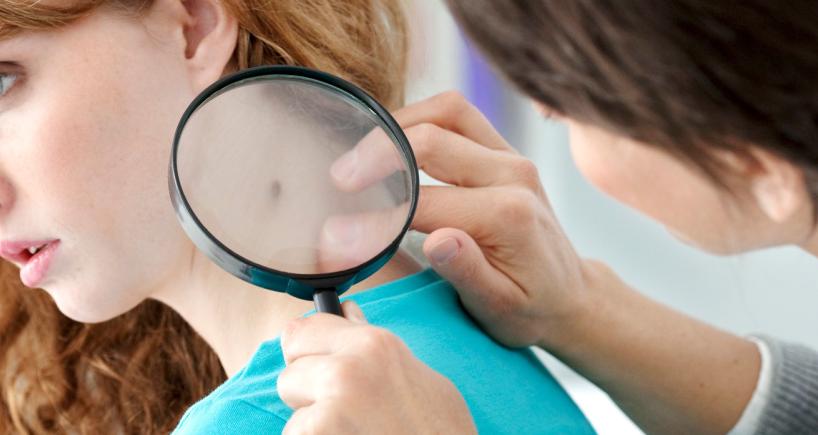
Dermatologists are medical specialists trained to recognize, diagnose, and treat a wide range of skin, hair, and nail concerns. Their detailed understanding of the skin’s anatomy and physiology allows them to identify subtle differences in symptoms that might go unnoticed by others. With accurate diagnosis, patients can receive treatments that truly address the root of the problem rather than just managing surface symptoms.
The Science and Art of Dermatological Diagnosis
Dermatology is both a science and an art. It combines medical knowledge with visual assessment skills developed through years of training. Every rash, bump, or mark on the skin has a story, and dermatologists are skilled at interpreting these signs to uncover the underlying cause.
When consulting the best dermatologist Singapore offers, patients can expect a meticulous approach that combines observation, questioning, and, when necessary, advanced diagnostic testing. This thorough evaluation helps determine whether the issue is caused by an infection, allergy, autoimmune condition, hormonal imbalance, or another factor.
What Happens During a Dermatology Consultation
An accurate diagnosis begins with a comprehensive consultation. The dermatologist will first review your medical history, family health background, and lifestyle. These details help identify possible triggers or hereditary conditions.
Next, a physical examination is performed. The dermatologist carefully observes the affected area, taking note of factors like texture, color, shape, and distribution. They may also ask questions about when the symptoms appeared, whether they have changed over time, and if anything worsens or relieves them.
For some cases, such as rashes or chronic skin changes, additional diagnostic tests may be necessary to confirm the condition and rule out other possibilities.
Diagnostic Tools and Techniques
Modern dermatology uses a combination of visual evaluation and technology to achieve accurate results. The following are some of the key diagnostic tools used by dermatologists.
Dermoscopy
A dermatoscope is a small handheld device that magnifies and illuminates the skin, allowing dermatologists to see structures beneath the surface. This tool is especially useful for examining moles and detecting early signs of melanoma and other forms of skin cancer.
Skin Biopsy
In certain situations, a skin biopsy may be needed. This involves removing a small sample of skin tissue under local anesthesia for examination under a microscope. Biopsies are used to confirm diagnoses such as eczema, psoriasis, infections, or skin cancers.
Patch Testing
If an allergic reaction is suspected, patch testing helps determine the cause. Small amounts of potential allergens are applied to the skin, and the area is observed for reactions over a few days. This test helps diagnose allergic contact dermatitis and identify substances that should be avoided.
Blood Tests
Some skin conditions are influenced by hormonal or autoimmune issues. Blood tests can help identify internal imbalances that contribute to symptoms like chronic rashes, acne, or hair loss.
Imaging Techniques
Advanced imaging, such as confocal microscopy or ultrasound, may be used to examine the skin’s deeper layers without invasive procedures. These tools allow for early detection of abnormalities and a better understanding of the condition’s extent.
Common Skin Conditions and Their Diagnosis
Acne
Acne is diagnosed based on the type and distribution of lesions such as blackheads, whiteheads, papules, or cysts. Dermatologists also assess hormonal influences, skincare habits, and diet when forming a treatment plan.
Eczema
Eczema presents as dry, itchy, inflamed patches. Diagnosis is made through clinical observation and a detailed discussion of triggers. In some cases, patch testing is recommended to identify allergens.
Psoriasis
Psoriasis is identified by thick, red, scaly plaques, commonly found on the scalp, elbows, and knees. A skin biopsy may be done to differentiate it from eczema or fungal infections.
Pigmentation Disorders
Conditions such as melasma, vitiligo, or post-inflammatory hyperpigmentation are diagnosed through visual inspection. A wood’s lamp examination may be used to assess pigment depth.
Skin Cancer
Dermatologists use dermoscopy and, if necessary, biopsy to detect precancerous or cancerous lesions. Early diagnosis is vital for successful treatment outcomes.
Why Accuracy in Diagnosis Matters
Accurate diagnosis is the foundation of effective skin care. Since many conditions share overlapping symptoms, misdiagnosis can lead to unnecessary or ineffective treatments. For example, steroid creams that help eczema could worsen fungal infections, while antibiotics used for acne may not work for rosacea.
A correct diagnosis ensures that patients receive the right medications, topical agents, or procedures for their specific condition. It also helps identify potential underlying issues such as hormonal imbalance, allergies, or systemic diseases that might present as skin problems.
The Role of Technology in Modern Dermatology
Today’s dermatologists use advanced technologies to enhance diagnostic accuracy. Digital imaging systems can document changes in the skin over time, while artificial intelligence tools assist in analyzing lesions and comparing them to thousands of clinical cases.
These technologies, combined with the dermatologist’s expertise, allow for early detection and precise treatment planning. However, technology complements rather than replaces clinical judgment, which remains the cornerstone of dermatological care.
Personalized Treatment After Diagnosis
Once a diagnosis is made, dermatologists develop a personalized treatment plan tailored to the individual’s condition, lifestyle, and skin type. Treatments may include topical or oral medications, light therapy, chemical peels, or laser treatments.
For chronic conditions, ongoing management may be recommended to control flare-ups and prevent recurrence. Dermatologists also educate patients on proper skincare routines, diet, and habits to maintain healthy skin in the long term.
The Broader Impact of Dermatological Care
Beyond treating visible symptoms, dermatologists help improve patients’ overall quality of life. Many skin conditions can affect confidence and emotional well-being, especially when they persist or are misunderstood. Through accurate diagnosis and effective treatment, patients can regain not only healthier skin but also self-assurance and comfort in their appearance.
Consulting the best dermatologist Singapore residents trust ensures access to comprehensive care that addresses both the medical and aesthetic aspects of skin health. By combining medical precision with compassionate support, these specialists help patients achieve lasting improvements that go beyond the surface.
Achieving Clarity Through Expert Care
Healthy, radiant skin begins with the right diagnosis. Dermatologists are not just skin doctors but specialists who understand how external symptoms reflect internal processes. Their expertise enables patients to receive effective, individualized treatments that bring balance and long-term relief.
Through careful evaluation, advanced testing, and professional insight, they help uncover the root of every condition. The result is not only clearer skin but also a renewed sense of confidence and vitality.
Commonly Asked Questions
How long does it take for a dermatologist to diagnose a skin condition?
Many conditions can be diagnosed during the first visit, though some may require follow-up tests such as biopsies or lab work for confirmation.
Is a skin biopsy painful?
A biopsy is a minor procedure done under local anesthesia. Most patients experience only mild discomfort, and healing usually occurs within a few days.
Can photos be used to diagnose a skin problem?
While photos can provide clues, in-person evaluations are necessary for accurate diagnosis since texture, color, and distribution are best assessed directly.
Should I see a dermatologist for mild or temporary issues?
Yes. Even mild or recurring symptoms can signal underlying conditions. Early assessment helps prevent complications.
Do dermatologists handle cosmetic skin issues too?
Absolutely. Dermatologists treat medical concerns like eczema and acne, as well as cosmetic issues such as pigmentation, scars, and wrinkles.
Next Steps
If you have been dealing with persistent skin problems or changes that concern you, it may be time to seek professional advice. Schedule an appointment with the best dermatologist Singapore patients rely on for accurate diagnosis and comprehensive care. With expert evaluation and personalized treatment, you can achieve not only healthier skin but also renewed confidence and peace of mind.

