

Marinas were once simple places to tie up a boat and walk away. Now they run on data. Smart marina technology is turning traditional docks into connected environments where sensors, software, and cloud tools work together to track vessels, predict problems, and keep waterfront operations safe. This shift matters because marinas sit at the meeting point of harsh weather, saltwater, and heavy loads. Digital monitoring gives operators a clearer view of what happens across their facilities in real time. Yet as you’ll see, the smartest system in the world still leans on strong physical hardware to hold everything in place.
What Makes a Marina “Smart”?
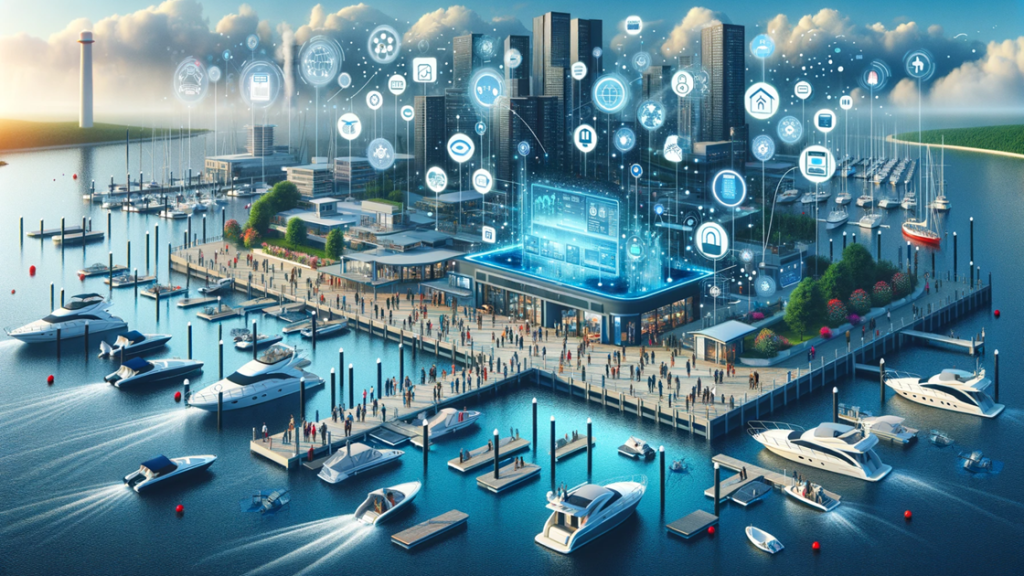
A smart marina uses digital tools to manage tasks that people once handled by hand or eye. The change starts with the Internet of Things (IoT). Small connected devices sit on docks, pilings, and floating structures, sending constant streams of data to a central platform.
That data feeds into cloud computing systems, where operators can view everything from a single dashboard. Automation handles routine work like adjusting lighting, tracking berth occupancy, and logging power or water usage.
Connected infrastructure ties it all together. Instead of separate, disconnected systems, a smart marina links weather stations, cameras, energy meters, and mooring sensors into one network. The result is faster decisions and fewer surprises.
Sensors That Monitor Docks and Mooring Systems
Sensors are the eyes and ears of any smart marina. IoT sensors collect measurements around the clock and flag anything unusual before it becomes a real problem.
Several types do the heavy lifting:
- Load sensors measure the tension on mooring lines and chains, warning staff when forces climb too high.
- Motion sensors track how docks and floating structures move, catching abnormal shifts caused by wind or waves.
- Water level monitoring watches tides and flooding risk, which helps protect low structures during storms.
- Wave sensors record wave height and energy so operators understand the stress placed on mooring systems.
- Environmental sensors measure wind, temperature, and water quality.
Together, these tools support structural health monitoring, a practice borrowed from bridges and buildings. By tracking small changes over time, marina operators can spot early signs of fatigue in docks, connectors, and anchoring points. That kind of marine monitoring turns guesswork into evidence.
How Data Analytics Improves Marina Operations
Collecting data is only half the job. The real value comes from analyzing it. Modern marinas rely on cloud dashboards that pull readings from every sensor and turn raw numbers into clear visuals.
Artificial intelligence (AI) plays a growing role here. AI-assisted monitoring can scan thousands of data points and detect patterns a human might miss. If load readings creep upward each week, the system can flag it before a line snaps.
This supports predictive maintenance. Rather than waiting for something to break, operators fix issues based on real conditions. Maintenance scheduling becomes smarter, because teams know which components need attention and when.
Remote monitoring adds another layer of control. A manager can check dock conditions from a phone, whether they’re on-site or across the country. Some larger facilities borrow SCADA systems from industrial settings to oversee power, pumps, and safety equipment. The payoff is steady operational efficiency and less downtime.
Why Mooring Hardware Still Matters
No matter how advanced the software becomes, a marina still depends on physical strength. Sensors can warn you about rising loads, but they cannot hold a vessel in place. That job falls to mooring hardware.
Chains, shackles, and connectors form the mechanical backbone of every mooring system. They face constant motion, saltwater spray, and shifting weight. When one link fails, no dashboard can prevent the damage that follows. That’s why operators pay close attention to mechanical strength and long-term durability.
Corrosion resistance is the biggest concern. Saltwater attacks metal fast, so marine-grade materials matter. Stainless steel resists rust and holds up well in exposed fittings, while galvanized steel offers a protective zinc coating that extends chain life. Choosing the right grade of high test mooring chain helps ensure a mooring system can handle heavy loads year after year.
Good hardware also makes monitoring more reliable. Load sensors only mean something when the components they watch are built to a known standard. Strong, corrosion-resistant parts give the data a dependable foundation.
Balancing Smart Technology with Marine Engineering
The best marinas treat digital tools and marine engineering as partners, not rivals. Software brings visibility. Hardware brings strength. Neither works well alone.
Consider how the two support each other. A sensor detects a spike in mooring tension during a storm. The system alerts staff, who inspect the connection and confirm the chain is rated for that load. The data guided the response, but the physical component kept the vessel secure.
This partnership also improves safety planning. Engineers use sensor history to choose the right materials and sizing for future upgrades. Meanwhile, monitoring systems confirm that installed hardware performs as expected. Real-world data closes the loop between design and daily use.
For operators, the lesson is simple. Invest in dependable mechanical components first, then layer smart systems on top. Technology sharpens decisions, but engineering carries the weight.
The Future of Smart Waterfront Infrastructure
Waterfront infrastructure is heading toward deeper automation. One promising idea is the digital twin, a virtual model of a marina that updates in real time. Operators can test scenarios, such as a heavy storm, without touching the physical site.
Autonomous inspections are gaining ground too. Drones and underwater robots can examine pilings, chains, and hulls, feeding results straight into monitoring platforms. This reduces risk for human divers and speeds up structural health monitoring.
Predictive maintenance will keep improving as AI models learn from more data. Expect tighter integration with smart ports, where marinas, shipping terminals, and coastal systems share information across a connected network.
Sustainability shapes the roadmap as well. Sensors that track energy and water use help facilities cut waste. As these tools mature, waterfront sites will become cleaner, safer, and easier to manage.
Conclusion
Smart marina technology is changing how waterfront facilities operate, from IoT sensors and remote monitoring to AI-driven predictive maintenance. These tools give operators sharper insight and faster responses than ever before. Still, digital systems only work when they sit on a strong physical base. Corrosion-resistant chains, sturdy shackles, and well-chosen marine-grade materials remain the true anchor of any mooring system. The marinas that thrive will blend both worlds, pairing smart software with solid engineering. As sensors, analytics, and durable hardware continue to advance together, the future of connected, reliable waterfront infrastructure looks steady and secure..

