

The field of regenerative medicine has revolutionized healthcare by offering innovative ways to repair, replace, and regenerate damaged tissues. Among the most promising advancements are stem cells, which have shown remarkable potential in treating a variety of medical conditions. As research continues to evolve, understanding the stem cell benefits has become increasingly important for patients seeking advanced treatment options and healthcare professionals exploring cutting-edge therapies.
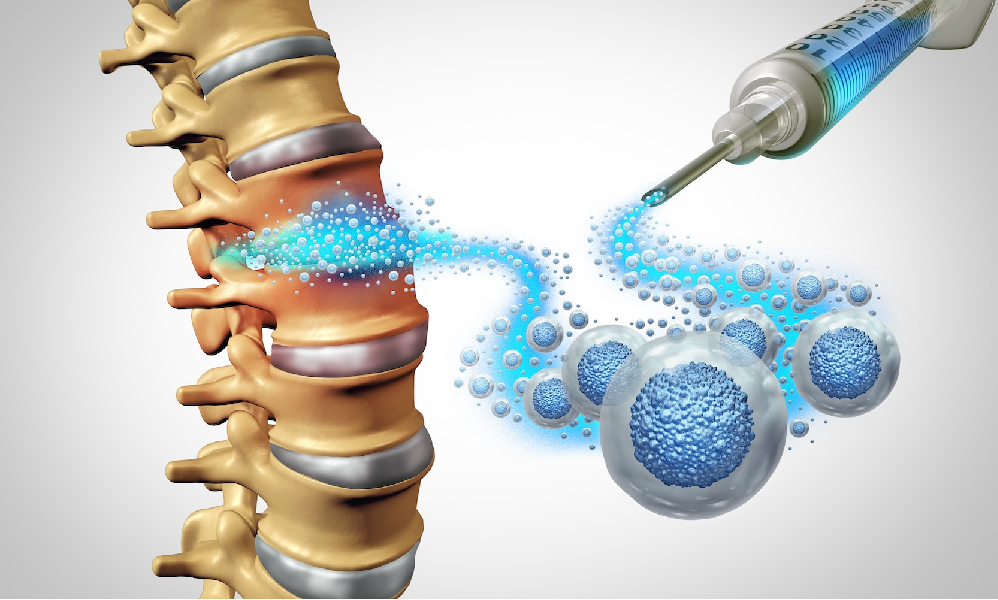
Stem cells are unique because they have the ability to develop into different types of specialized cells in the body. Unlike ordinary cells, they can divide repeatedly and help repair damaged tissues, making them a valuable resource in modern medicine. From orthopedic injuries and autoimmune disorders to cosmetic treatments and neurological conditions, stem cell therapy is opening new possibilities for improving health and quality of life. Check this iv drip at home
What Are Stem Cells?
Stem cells are undifferentiated cells that serve as the body’s natural repair system. They can develop into specialized cells such as muscle cells, nerve cells, blood cells, or bone cells depending on the body’s needs.
There are several types of stem cells used in medicine:
- Adult Stem Cells: Found in bone marrow, fat tissue, and other organs.
- Mesenchymal Stem Cells (MSCs): Commonly used for regenerative therapies due to their healing and anti-inflammatory properties.
- Umbilical Cord Stem Cells: Collected after childbirth and rich in regenerative potential.
- Induced Pluripotent Stem Cells (iPSCs): Adult cells that are reprogrammed to behave like embryonic stem cells.
Each type offers unique therapeutic advantages depending on the condition being treated. Check this functional medicine dubai
Top Stem Cell Benefits
1. Accelerated Tissue Repair
One of the most significant stem cell benefits is their ability to promote tissue regeneration. Stem cells can replace damaged cells and stimulate the body’s natural healing process.
Patients suffering from tendon injuries, ligament tears, cartilage damage, and muscle injuries often experience improved healing after stem cell therapy compared to conventional treatments.
2. Reduced Inflammation
Chronic inflammation contributes to numerous diseases, including arthritis, autoimmune disorders, and chronic pain conditions.
Stem cells release anti-inflammatory molecules that help regulate the immune response, reducing inflammation while encouraging tissue repair. This makes them an attractive option for patients dealing with persistent inflammatory conditions.
3. Enhanced Joint Health
Stem cell therapy has become increasingly popular in orthopedic medicine. Individuals suffering from knee osteoarthritis, shoulder injuries, hip degeneration, or spinal problems may benefit from regenerative treatments.
Rather than simply masking pain, stem cells aim to improve the condition of damaged cartilage and surrounding tissues, potentially delaying or even avoiding surgery.
4. Faster Recovery After Injury
Athletes and active individuals are increasingly turning to stem cell treatments because they may shorten recovery times after sports injuries.
Whether recovering from ligament damage, muscle strains, or tendon injuries, stem cells support the healing process by encouraging the formation of healthy new tissue.
5. Improved Wound Healing
Stem cells can promote the growth of new blood vessels and healthy skin cells, making them valuable in treating chronic wounds and difficult-to-heal injuries.
Patients with diabetic ulcers, burns, or surgical wounds may experience improved healing through regenerative medicine approaches.
Stem Cell Benefits for Chronic Pain
Millions of people suffer from chronic pain caused by arthritis, degenerative disc disease, or previous injuries.
Stem cell therapy addresses the underlying damage rather than only relieving symptoms. Many patients report reduced pain, increased mobility, and improved function after treatment.
Although results vary depending on the individual and the severity of the condition, regenerative therapies offer hope for those seeking alternatives to long-term pain medications.
Potential Neurological Applications
Researchers continue to investigate stem cell therapy for neurological disorders, including:
- Parkinson’s disease
- Multiple sclerosis
- Stroke recovery
- Spinal cord injuries
- Traumatic brain injuries
While many neurological treatments remain under clinical investigation, early research demonstrates encouraging potential for repairing damaged nerve tissues and improving neurological function.
Cardiovascular Benefits
Heart disease remains one of the leading causes of death worldwide.
Scientists are studying how stem cells may help repair damaged heart muscle after heart attacks by encouraging blood vessel formation and reducing scar tissue.
Although additional research is needed, regenerative therapies may become an important part of future cardiovascular care.
Stem Cell Benefits in Cosmetic Medicine
Regenerative medicine has also entered aesthetic healthcare.
Stem cell-based treatments are being explored for:
- Skin rejuvenation
- Hair restoration
- Scar reduction
- Improved skin elasticity
- Anti-aging procedures
By stimulating collagen production and tissue regeneration, stem cells may contribute to healthier, more youthful-looking skin.
Autoimmune Disease Management
Stem cells possess immunomodulatory properties, meaning they can help regulate abnormal immune responses.
Researchers are investigating stem cell therapy for autoimmune conditions such as:
- Rheumatoid arthritis
- Lupus
- Crohn’s disease
- Type 1 diabetes
- Multiple sclerosis
Although these treatments continue to evolve, stem cell therapy represents an exciting area of medical research.
Benefits Compared to Traditional Treatments
Stem cell therapy offers several potential advantages over conventional medical treatments.
Minimally Invasive
Many stem cell procedures involve simple injections rather than major surgery, resulting in shorter recovery periods.
Natural Healing
Instead of relying solely on medications or implants, stem cells support the body’s own repair mechanisms.
Lower Risk of Rejection
When using a patient’s own stem cells (autologous therapy), the risk of immune rejection is significantly reduced.
Long-Term Improvement
Rather than simply controlling symptoms, regenerative treatments aim to improve the underlying tissue damage.
Are Stem Cell Treatments Safe?
Safety depends on several factors, including:
- The source of the stem cells
- The patient’s medical condition
- The treatment protocol
- The expertise of the medical team
When performed by qualified healthcare professionals following established clinical guidelines, many stem cell procedures have demonstrated favorable safety profiles.
However, patients should always consult experienced regenerative medicine specialists and ensure treatments comply with local medical regulations.
Who May Benefit from Stem Cell Therapy?
Stem cell treatments may be considered for individuals experiencing:
- Osteoarthritis
- Sports injuries
- Tendon and ligament damage
- Chronic joint pain
- Certain autoimmune diseases
- Slow-healing wounds
- Hair loss
- Cosmetic skin concerns
Not every patient is a suitable candidate, making thorough medical evaluation essential before beginning treatment.
Current Limitations
Despite the growing excitement surrounding regenerative medicine, stem cell therapy is not a universal cure.
Some treatments remain experimental, and outcomes can vary depending on:
- Patient age
- Overall health
- Disease severity
- Type of stem cells used
- Treatment protocol
Ongoing clinical research continues to expand our understanding of the effectiveness of stem cell therapies across different medical conditions.
The Future of Stem Cell Therapy
The future of regenerative medicine appears exceptionally promising.
Researchers are exploring new applications in organ regeneration, personalized medicine, gene therapy, diabetes treatment, spinal cord repair, and even age-related diseases.
As scientific knowledge advances and clinical evidence grows, stem cell therapy is expected to become an increasingly important component of modern healthcare.
Conclusion
The growing list of stem cell benefits highlights why regenerative medicine is attracting attention from both patients and healthcare providers worldwide. From accelerating tissue repair and reducing inflammation to improving joint function and supporting chronic disease management, stem cells offer exciting possibilities for the future of medicine.
While not every treatment has been fully established for every condition, ongoing research continues to demonstrate the remarkable healing potential of stem cells. Individuals considering regenerative therapies should seek advice from qualified medical professionals who can determine whether stem cell treatment is appropriate for their specific health needs.
As innovation continues to reshape healthcare, stem cell therapy stands at the forefront of a new era focused on repairing the body naturally and improving long-term health outcomes.

