

Key Takeaways
- Data-driven approaches enable small businesses to make informed decisions and identify growth opportunities.
- Utilizing data analytics can lead to increased efficiency and profitability.
- Overcoming challenges such as data management and analysis is crucial for successful implementation.
Table of Contents
- Understanding Data-Driven Strategies
- Benefits of Data-Driven Approaches
- Implementing Data Analytics in Small Businesses
- Overcoming Challenges in Data Utilization
- Real-Life Examples of Successful Data-Driven Small Businesses
- Tools and Resources for Data-Driven Growth
- Future Trends in Data-Driven Small Businesses
- Conclusion
In today’s competitive market, the ability to use data insights can make the difference between thriving and simply surviving. Small businesses have a unique opportunity to use data-driven strategies to boost efficiency, improve customer experiences, and uncover new growth avenues. By leveraging resources such as Digital Marketing Experts, small businesses can more effectively implement analytics to support smarter decision-making and long-term success.
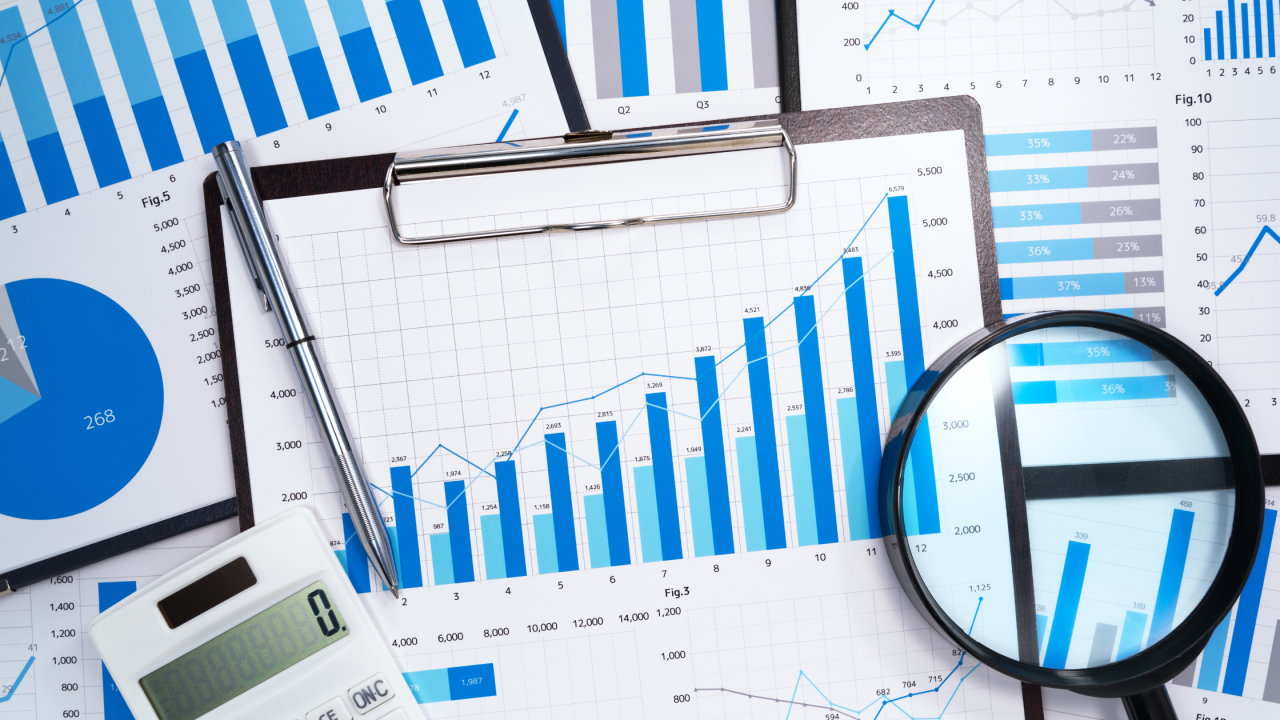
Strategic data use is not just for large enterprises. Whether it’s analyzing sales trends, understanding customer behaviors, or tracking the effectiveness of marketing campaigns, small businesses can benefit greatly from integrating analytics into their operations. Those who invest in the tools and knowledge needed for data-driven growth tend to operate more efficiently and respond more quickly to market changes. Implementing a culture of data-informed decision-making can help clarify business priorities, align team efforts, and identify underused opportunities that could drive growth. This proactive approach ensures that each step taken is backed by evidence, leading to measurable results and more consistent outcomes over time. Being armed with the right data also allows small businesses to compete on a more level playing field with larger organizations that are already utilizing advanced analytics to refine their strategies and gain a competitive edge.
Understanding Data-Driven Strategies
Data-driven strategies integrate the collection, analysis, and interpretation of business data into daily decision-making. Rather than relying on guesswork or outdated instincts, business owners and managers use verifiable data to guide their strategies. This approach can reveal crucial patterns, anticipate trends, and enable more calculated choices to achieve business goals. By monitoring key performance indicators and customer behaviors, organizations can identify growth opportunities, improve operational efficiency, and respond more quickly to market changes. Data-driven decision-making also reduces uncertainty by providing measurable insights that support planning, budgeting, and resource allocation. As businesses increasingly operate in competitive and fast-changing environments, leveraging data helps leaders make smarter decisions that align with both short-term objectives and long-term success.
Benefits of Data-Driven Approaches
Adopting a data-driven outlook presents myriad advantages for small businesses:
- Improved Decision-Making:Objectively analyzing data minimizes guesswork, leading to better outcomes across departments.
- Enhanced Efficiency:Identifying operational bottlenecks and inefficiencies ensures resources are allocated wisely, driving down costs and boosting productivity.
- Better Customer Understanding:By analyzing patterns in customer feedback, purchase histories, and engagement levels, small businesses can tailor offerings to meet and exceed expectations.
This strategic advantage enables businesses to create more personalized experiences and compete in heavily saturated markets. For an in-depth exploration of data-driven business models, see this Forbes overview.
Implementing Data Analytics in Small Businesses
Turning data into an asset requires a clear plan. Small businesses should focus on these steps:
- Define Objectives:Set specific, measurable goals for what you want your data to help accomplish, such as increasing online sales or reducing customer churn.
- Collect Relevant Data:Use varied channels like point-of-sale systems, surveys, website analytics, and customer service data to gather informative inputs.
- Utilize Analytics Tools:Employ user-friendly and cost-effective solutions tailored for small businesses, ensuring data is easy to process and understand.
- Interpret and Act:Transform findings into actionable steps, monitor the impact, and adjust tactics as needed.
Consistency is key. Regular reviews and updates to your analytics strategy keep your business agile and prepared to capitalize on new opportunities.
Overcoming Challenges in Data Utilization
Resource constraints and limited technical expertise can be barriers to adopting a data-driven approach in smaller companies. However, these obstacles can be managed through practical steps:
- Invest in Training:Sponsor team members’ attendance at workshops, webinars, or online courses focused on analytics fundamentals.
- Leverage Affordable Tools:Many cloud-based analytics platforms offer tiered pricing or free starter versions designed for small business needs.
- Seek Professional Assistance:Outsourcing short-term analytics projects or consulting with data experts helps bridge the knowledge gap without straining your budget.
Real-Life Examples of Successful Data-Driven Small Businesses
Stories from the business world emphasize the tangible gains from using data. For instance, studies show that companies that base decisions on data experience up to 63% higher productivity than those that rely on tradition or “gut feeling.” These businesses are more efficient, see cost reductions, and benefit from improved customer satisfaction rates.
Tools and Resources for Data-Driven Growth
Modern analytics tools enable smaller organizations to access the same insights as large corporations.
- Google Analytics:Helps track user behavior and website performance metrics for actionable website improvements.
- Tableau:Easily visualizes complex datasets, making it simple to see key trends at a glance.
- HubSpot:Integrates marketing, sales, and customer service data into a unified dashboard to measure effectiveness and ROI.
Future Trends in Data-Driven Small Businesses
Looking ahead, several trends are poised to transform how small enterprises wield their data:
- Increased AI Integration:Artificial intelligence and machine learning will automate analytics and offer deeper insights faster than ever.
- Enhanced Data Security:As data becomes central to business operations, securing sensitive data will remain a top priority.
- Real-Time Analytics:Businesses will increasingly use real-time data streams to make quick adjustments, increasing overall agility and responsiveness.
Conclusion
Small businesses that embrace data-driven strategies move ahead with greater clarity, agility, and confidence. From increased efficiency to enriched customer relationships, the benefits of analytics are too significant to ignore in the evolving digital economy. By leveraging accurate data, businesses can make informed decisions, identify emerging trends, optimize operations, and allocate resources more effectively. Analytics also helps organizations better understand customer behavior, enabling them to deliver personalized experiences that foster loyalty and long-term growth. As technology continues to advance, companies that prioritize data-driven decision-making will be better positioned to adapt to market changes, reduce risks, and maintain a competitive advantage. Investing in analytics today can create a stronger foundation for sustainable success and future business growth.

