

A rotary pump is one of the most widely used positive displacement pumps in industrial and commercial applications. Designed to move liquids by trapping a fixed amount of fluid and forcing it through the pump system, rotary pumps are known for their efficiency, reliability, and ability to handle a wide range of fluid viscosities. From petroleum products and chemicals to food-grade liquids and lubricants, rotary pumps play an essential role in countless industries.
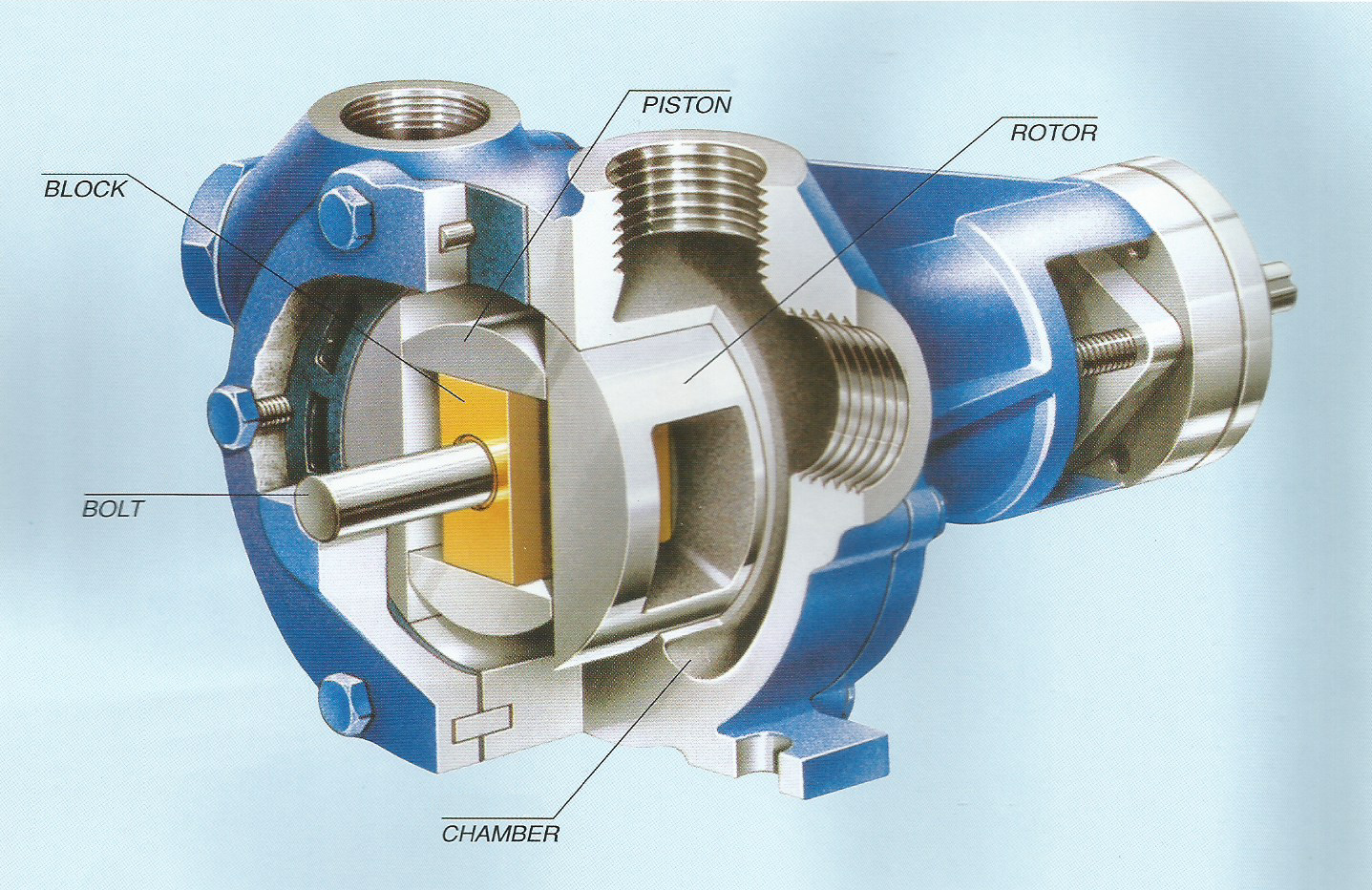
Unlike centrifugal pumps that rely on velocity to move fluids, rotary pumps deliver a consistent flow regardless of changes in pressure. This makes them an ideal solution for applications requiring precise flow control and the transfer of high-viscosity liquids.
In this guide, we’ll explore how rotary pumps work, their different types, advantages, applications, and tips for selecting the right pump for your needs.
What Is a Rotary Pump?
A rotary pump is a type of positive displacement pump that moves fluid through rotating components such as gears, lobes, screws, vanes, or pistons. As these rotating elements create expanding cavities, liquid is drawn into the pump. The fluid is then trapped between the rotating parts and the pump casing before being discharged at a constant flow rate.
Because they displace a fixed volume of liquid during each rotation, rotary pumps maintain a steady output regardless of system pressure, making them highly reliable in demanding industrial environments.
How Does a Rotary Pump Work?
The working principle of a rotary pump is relatively straightforward:
- The rotating element creates a vacuum at the inlet.
- Fluid enters the pump chamber due to the pressure difference.
- The liquid becomes trapped between the rotating components and the pump housing.
- As the rotor continues turning, the trapped liquid is carried to the discharge side.
- The fluid is forced out under pressure while new fluid enters the inlet.
Since the fluid is transferred mechanically rather than by centrifugal force, rotary pumps are particularly effective for handling thick, viscous, or shear-sensitive liquids.
Types of Rotary Pumps
Several types of rotary pumps are available, each designed for specific applications.
1. Gear Pumps
Gear pumps use two intermeshing gears to move fluid through the pump housing. They are widely used for transferring lubricating oils, diesel fuel, hydraulic fluids, and chemicals.
Advantages:
- Simple construction
- High efficiency
- Low maintenance
- Excellent for viscous fluids
2. Rotary Vane Pumps
Rotary vane pumps contain sliding vanes mounted within a rotating rotor. As the rotor spins, centrifugal force pushes the vanes outward, creating sealed chambers that transport the liquid.
These pumps are commonly found in:
- Fuel dispensing systems
- LPG transfer
- Aviation fueling
- Vacuum applications
3. Screw Pumps
Screw pumps use one or more rotating screws to move fluids smoothly through the pump body.
They are ideal for:
- Heavy oils
- Bitumen
- Marine fuel
- Crude oil
- Food processing
Their smooth, pulse-free flow makes them suitable for applications requiring gentle fluid handling.
4. Lobe Pumps
Lobe pumps feature rotating lobes that never come into direct contact with one another.
They are extensively used in industries where hygiene is critical, including:
- Dairy processing
- Beverage manufacturing
- Pharmaceuticals
- Cosmetics
5. Peristaltic Rotary Pumps
These pumps move fluid through flexible tubing using rotating rollers.
Their contamination-free operation makes them suitable for:
- Chemical dosing
- Medical equipment
- Water treatment
- Laboratory applications
Advantages of Rotary Pumps
Rotary pumps offer several benefits over other pumping technologies.
Consistent Flow Rate
Because they are positive displacement pumps, rotary pumps deliver a nearly constant flow regardless of discharge pressure.
Handles High Viscosity Fluids
Unlike centrifugal pumps, rotary pumps efficiently move thick liquids such as:
- Lubricants
- Syrups
- Molasses
- Bitumen
- Paints
- Adhesives
Self-Priming Capability
Most rotary pumps are self-priming, eliminating the need for manual priming before operation.
Low Pulsation
Many rotary pump designs produce smooth and continuous flow, minimizing pressure fluctuations.
Energy Efficient
Rotary pumps consume less energy when transferring viscous liquids because they require less velocity to move the fluid.
Precise Metering
The fixed displacement per revolution allows rotary pumps to provide accurate and repeatable flow rates.
Common Applications of Rotary Pumps
Rotary pumps are found across numerous industries due to their versatility.
Oil and Gas Industry
Rotary pumps are commonly used for:
- Diesel transfer
- Lubricating oil circulation
- Fuel unloading
- Crude oil transfer
- Hydraulic systems
Fuel Dispensing Stations
Rotary vane pumps are widely installed inside fuel dispensers because they provide accurate flow measurement and consistent pressure.
Chemical Processing
Chemical manufacturers rely on rotary pumps to handle:
- Acids
- Solvents
- Polymers
- Resins
- Corrosive liquids
Food and Beverage Industry
Food-grade rotary pumps transfer products like:
- Chocolate
- Honey
- Sauces
- Dairy products
- Fruit concentrates
Their gentle pumping action helps maintain product quality.
Pharmaceutical Industry
Sanitary rotary pumps safely transport sensitive pharmaceutical products while meeting strict hygiene standards.
Water Treatment
Rotary pumps are frequently used for chemical dosing and sludge transfer in municipal and industrial water treatment plants.
Manufacturing
Industrial facilities utilize rotary pumps for:
- Coolants
- Lubricants
- Hydraulic oils
- Process chemicals
Rotary Pump vs. Centrifugal Pump
Although both pump types transport liquids, they operate very differently.
| Feature | Rotary Pump | Centrifugal Pump |
| Pump Type | Positive displacement | Dynamic |
| Flow Rate | Constant | Varies with pressure |
| Best for | High-viscosity liquids | Low-viscosity liquids |
| Self-Priming | Yes | Usually no |
| Pressure Capability | High | Moderate |
| Efficiency | Excellent with thick fluids | Better for water-like liquids |
If your application involves oils, fuels, syrups, or other viscous products, a rotary pump is often the better choice.
Factors to Consider When Selecting a Rotary Pump
Choosing the correct rotary pump depends on several important factors.
Fluid Viscosity
Higher-viscosity fluids generally require gear, screw, or lobe pumps designed specifically for thick liquids.
Flow Rate Requirements
Determine the volume of liquid that must be transferred per minute or hour.
Operating Pressure
Select a pump capable of handling your system’s maximum pressure without compromising efficiency.
Fluid Compatibility
Ensure the pump materials are compatible with the liquid being transferred, especially when handling corrosive chemicals.
Temperature
High-temperature applications require seals and materials capable of withstanding elevated operating conditions.
Maintenance Requirements
Choose pumps with easily replaceable components and readily available spare parts to minimize downtime.
Maintenance Tips for Rotary Pumps
Routine maintenance significantly extends the service life of a rotary pump.
Some recommended maintenance practices include:
- Inspect seals regularly for leakage.
- Monitor bearing condition.
- Lubricate moving parts according to manufacturer recommendations.
- Replace worn gears, vanes, or lobes before failure occurs.
- Keep suction lines free from blockages.
- Avoid dry running, which can damage internal components.
- Check alignment between the motor and pump.
Preventive maintenance not only reduces repair costs but also improves operational efficiency.
Signs Your Rotary Pump Needs Maintenance
Early detection of problems helps prevent costly equipment failure.
Common warning signs include:
- Reduced flow rate
- Increased vibration
- Unusual noise
- Seal leakage
- Higher power consumption
- Pressure fluctuations
- Overheating
Addressing these issues promptly can prevent major breakdowns.
Why Rotary Pumps Are Preferred in Industrial Operations
Industries worldwide continue to choose rotary pumps because they combine durability, precision, and versatility. Their ability to maintain consistent flow while handling fluids of varying viscosities makes them indispensable in sectors ranging from petroleum and manufacturing to food processing and pharmaceuticals.
Modern rotary pumps are also designed with improved sealing technologies, corrosion-resistant materials, and energy-efficient operation, reducing maintenance costs while increasing productivity.
Conclusion
A rotary pump is an essential piece of equipment for industries requiring reliable, accurate, and efficient fluid transfer. Whether moving fuel, lubricants, chemicals, food products, or high-viscosity liquids, rotary pumps deliver consistent performance under demanding operating conditions.
With various designs such as gear, vane, screw, and lobe pumps, businesses can choose a solution tailored to their specific application. Understanding the working principle, advantages, maintenance requirements, and selection criteria ensures optimal performance and a longer equipment lifespan.
Investing in the right rotary pump not only improves operational efficiency but also reduces downtime, lowers maintenance costs, and enhances overall productivity. As industries continue to demand dependable fluid handling solutions, rotary pumps remain one of the most trusted and versatile technologies available.

