

Introduction to TV Signal Strength
In today’s digital age, a reliable television signal is essential for enjoying your favorite shows and channels without interruption. The clarity and quality of your viewing experience largely depend on the strength of the signal your television receives. In this comprehensive guide, we will explore what signal strength means, how it affects your viewing experience, and why investing in a high-gain TV aerial is crucial for your home.
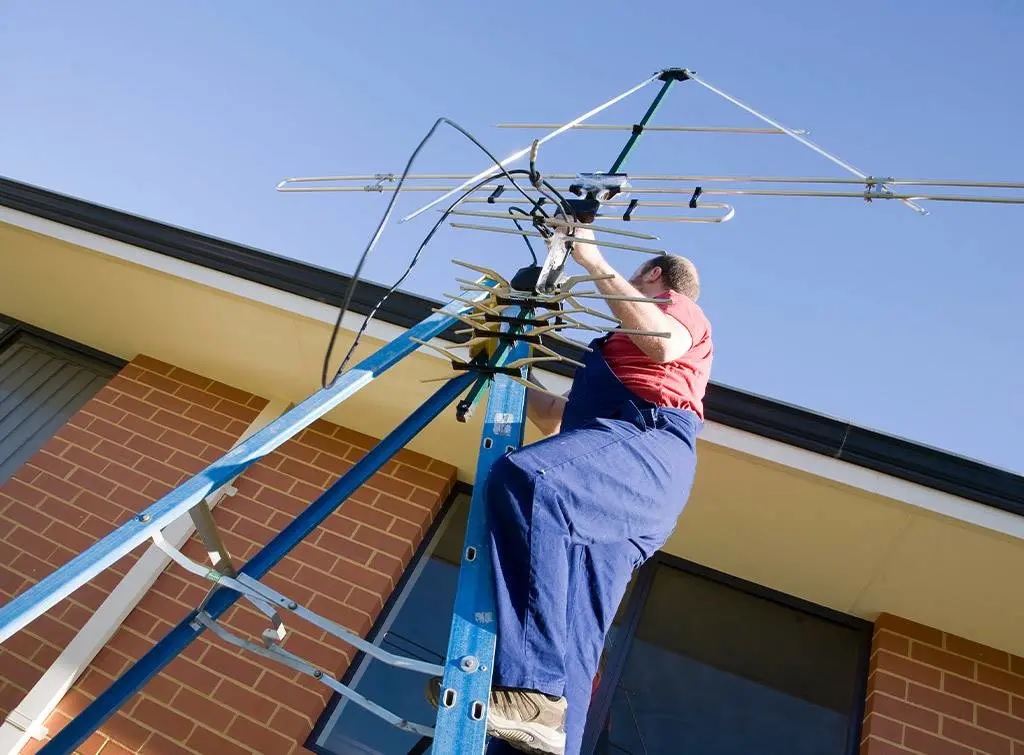
Understanding TV Aerials
A TV aerial, or antenna, is a device that captures over-the-air television signals broadcast by local stations. These signals are transmitted via radio waves, and the quality of these signals can vary based on several factors including location, distance from transmission towers, and physical obstructions like buildings or trees.
Types of TV Aerials
- Indoor Aerials: These are compact antennas designed for use inside your home. They are convenient but may not always provide strong signal reception.
- Outdoor Aerials: Installed outside, these aerials typically offer superior performance due to their height and exposure to open air.
- High-Gain Aerials: Specifically designed to amplify weak signals, high-gain aerials are ideal for areas that are far from transmission towers or have obstacles blocking the signal path.
The Importance of High-Gain Aerials
High-gain aerials are essential for homes located in low-signal areas or those experiencing frequent interruptions in service. Unlike standard aerials, which may struggle to capture weak signals, high-gain models can significantly improve reception by focusing on a narrow beamwidth.
Why You Should Consider High-Gain Aerials
- Enhanced Signal Reception: High-gain aerials can receive signals from greater distances.
- Improved Picture Quality: With a stronger signal, viewers can enjoy clearer images and sound.
- Reduced Interference: These aerials often minimize interference from other electronic devices or physical obstacles.
Factors Affecting Signal Strength
Several factors impact the effectiveness of your TV aerial and the strength of the signal it receives:
- Distance from Broadcast Towers: The farther you are from the source, the weaker the signal will be.
- Obstructions: Buildings, trees, hills, and other structures can block signals.
- Geographical Location: Urban areas may have more interference than rural locations due to the density of buildings and electronic devices.
- Frequency Band Used: Different channels operate at various frequencies; some may be more susceptible to interference than others.
Understanding these factors can help you better assess whether a high-gain aerial is necessary for your home.
Benefits of Installing a High-Gain TV Aerial
Investing in a high-gain TV aerial offers numerous advantages that enhance your overall viewing experience:
- Access to More Channels: With improved signal strength, you can access additional channels that might not have been available with a standard aerial.
- Future-Proofing: As broadcasting technology evolves, having a high-gain aerial ensures you remain connected with minimal upgrades needed.
- Cost-Efficiency: While the initial investment may be higher, fewer interruptions and clearer signals lead to reduced frustration and potential costs related to service interruptions.
Choosing the Right High-Gain Aerial
Selecting an appropriate high-gain aerial involves several considerations:
- Signal Range: Determine how far you are from broadcast towers using online tools or apps that display signal maps.
- Aerial Type: Decide between indoor or outdoor based on your living situation and specific needs.
- Installation Requirements: Some high-gain aerials may require professional installation especially if mounted on roofs or tall structures.
- Brand Reputation: Look for trusted brands known for quality products such as Home Vision, which specializes in effective aerial solutions.
Installation Considerations
Installing a high-gain TV aerial correctly is essential for optimal performance:
- Location Matters: Install the aerial as high as possible and away from obstructions to maximize line-of-sight to transmission towers.
- Secure Mounting: Ensure that it is securely mounted to withstand wind and weather conditions.
- Cable Quality: Use high-quality coaxial cables to minimize signal loss during transmission from the aerial to your television.
Having professionals handle installation can ensure that all these aspects are properly addressed.
Maintenance Tips for Optimal Performance
To keep your high-gain TV aerial functioning at its best, regular maintenance is key:
- Inspect Regularly: Check for any physical damage or loose connections that could hinder performance.
- Clean Debris: Remove leaves or snow that might accumulate on or around the antenna.
- Reassess Positioning: Seasonal changes might affect signal quality; be prepared to adjust positioning if necessary.
Regular upkeep will prolong the life of your aerial and maintain optimal signal strength.
Real-Life Case Studies
Consider two households situated just ten miles apart but with vastly different experiences regarding their television reception:
Household A chose an indoor antenna after moving into a new apartment in a densely populated urban area filled with tall buildings and electronic interference. They struggled with pixelation and missed channels even during prime viewing hours.
Household B, opting for an outdoor high-gain antenna installed by Home Vision, enjoyed uninterrupted HD quality with access to all local channels despite being located within the same urban setting.
This comparison illustrates how crucial proper equipment selection can be in determining reception quality.
How Home Vision Can Enhance Your Viewing Experience
Home Vision stands out in providing tailored solutions for enhancing television reception through premium high-gain aerial installations and support services.
Their expertise in assessing individual needs ensures customers receive appropriate recommendations suited to their specific environments—be it rural or urban settings—leading to improved viewing experiences across diverse households.
With their commitment to quality installation and customer satisfaction, choosing Home Vision means investing not only in superior equipment but also in ongoing support for any future needs related to TV reception challenges.
By understanding signal strength dynamics and recognizing the importance of high-gain aerial installations, homeowners can significantly elevate their television viewing experience while ensuring reliable connectivity for years ahead.

