

Smoke and carbon monoxide alarms are most effective when people can hear them quickly and respond with confidence. Standalone devices can warn nearby occupants, but interconnected alarms create a wider safety net by sharing alerts across the home.
When one alarm detects danger, every linked alarm sounds. This matters at night, behind closed doors, or in larger homes where a single alarm may be difficult to hear from another room.
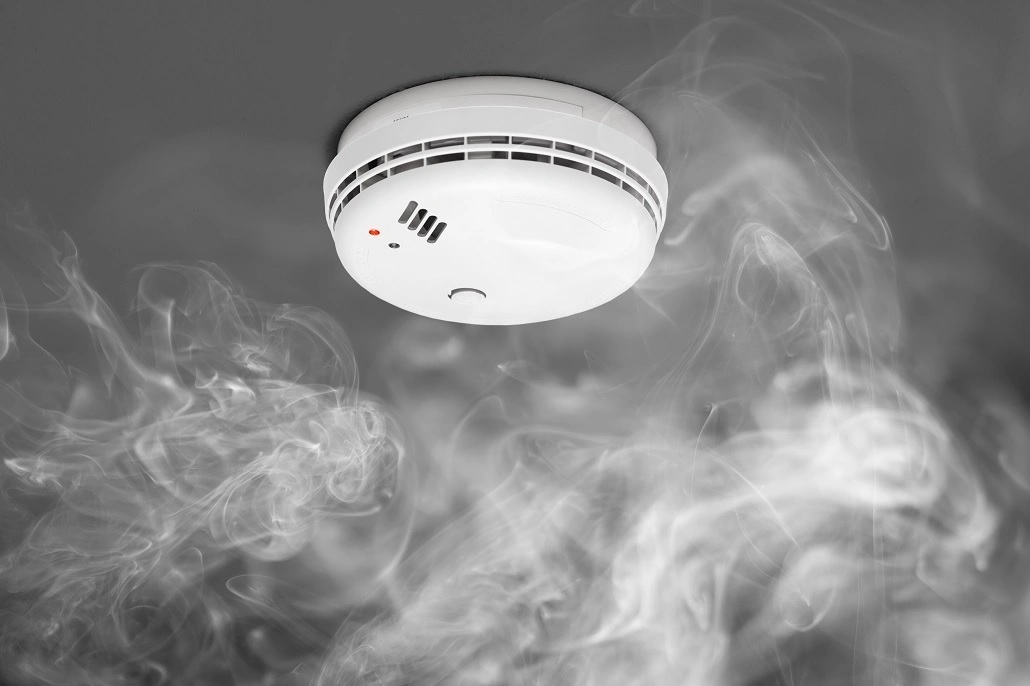
How interconnected alarms improve response time
In a fire or carbon monoxide event, minutes matter. Interconnected alarms reduce the chance that a warning stays isolated in one area. A detected threat in a utility room, hallway, or bedroom can trigger alerts throughout the property.
This shared warning system helps people react sooner. It also supports safer decision-making, since occupants are less likely to investigate too closely before realizing there may be danger elsewhere.
Why standalone devices have limits
Standalone alarms can provide essential protection, especially in small spaces. However, they depend on distance, sound travel, door position, and whether occupants are awake. These practical limits can affect how quickly a warning is noticed.
Common limitations include:
- Alerts may be hard to hear from distant rooms
- Closed doors can reduce alarm volume
- One failed or missing device can leave a gap
- People may not know where the danger started
These issues do not make standalone devices useless. They simply show why connected coverage is often stronger for whole-home protection.
The value of whole-home awareness
Interconnected alarms help create a coordinated warning system. Instead of relying on one device in one location, the home benefits from multiple sensors that communicate. This can be especially helpful in multi-level homes or layouts with separated sleeping areas.
A HomeKit smoke detector can be part of a connected safety setup when compatibility, placement, and alert behavior are reviewed carefully. The key advantage is not just detection, but making sure alerts reach the right areas fast.
Placement still matters
Interconnection improves coverage, but it does not replace proper placement. Alarms should be positioned where they can detect hazards early and alert occupants clearly. Bedrooms, hallways, and areas near fuel-burning appliances often deserve special attention.
Good placement considers:
- Levels of the home
- Sleeping areas
- Kitchen proximity without frequent nuisance alarms
- Attached garages or appliance zones where allowed by guidance
- Manufacturer spacing and installation instructions
Local requirements and product documentation should guide exact installation decisions. Correct placement helps interconnected alarms perform as intended.
Smart features can add useful context
Modern interconnected devices may provide more than a loud alert. Some systems can support notifications, room-level context, environmental sensing, or status updates. These features can help occupants understand whether an issue involves smoke, carbon monoxide, temperature, or another condition.
The Owl Sensor is an example of how multiple sensing functions may be combined in one device category. This type of approach can reduce device clutter while supporting broader awareness.
Reliability depends on maintenance
Even the best alarm system needs regular care. Testing, cleaning, battery checks, and replacement schedules help ensure devices remain dependable. Interconnected systems should be tested as a group so occupants understand how alerts sound across the home.
Useful maintenance habits include:
- Testing alarms on a consistent schedule
- Replacing batteries when required
- Keeping vents free of dust
- Reviewing end-of-life dates
- Confirming every alarm responds during system tests
Maintenance is especially important for homes with children, older adults, or anyone who may need extra time to respond during an emergency.
Better protection comes from connected coverage
Interconnected alarms provide better protection because they turn individual warnings into a home-wide alert. That broader notification can improve response time, reduce uncertainty, and make it more likely that everyone hears the warning.
Standalone devices still play an important role, but connected coverage offers a stronger safety strategy. With thoughtful placement, regular testing, and appropriate device selection, interconnected alarms can support a more prepared and informed household.

