

A vernier caliper is an essential precision measuring instrument used across industries such as engineering, manufacturing, research, and education. Whether you’re measuring the inner diameter of a pipe, the depth of a hole, or the thickness of a material, a vernier caliper offers an accurate and reliable solution. But when it comes to buying a vernier caliper, prices can vary significantly—from budget-friendly models to high-end professional tools. So, what exactly determines the cost of a vernier caliper? This article breaks down the various factors that influence the pricing to help you make an informed purchase.
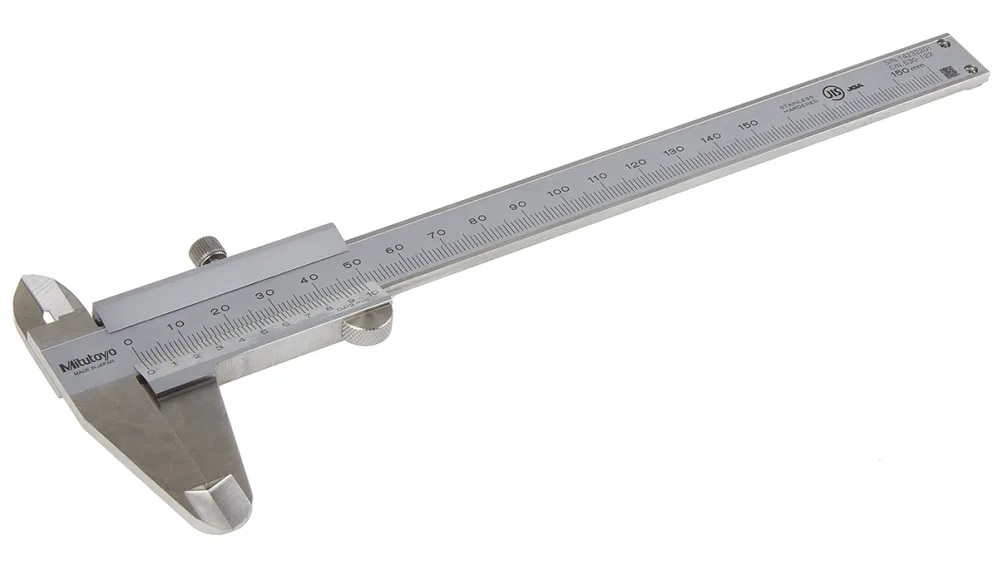
- Build Material and Durability
One of the most significant contributors to the cost of a vernier caliper is the material used in its construction.
- Plastic or Polymer Calipers: These are often the least expensive and are suitable for light-duty applications or educational use. However, they lack the durability and precision of metal calipers.
- Stainless Steel Calipers: More durable and corrosion-resistant, stainless steel calipers are the go-to for professional and industrial environments. Their higher material quality naturally increases the price.
- Hardened Steel or Carbide-Tipped Jaws: In high-precision industries, calipers with hardened steel or carbide-tipped jaws offer better wear resistance and longer life, thus increasing the cost.
- Measurement Range and Resolution
Another major factor affecting cost is the measurement range and resolution.
- Standard Range (0–150 mm or 0–6 inches): Most vernier calipers fall into this category and are priced affordably.
- Extended Range (up to 300 mm or more): Calipers with longer jaws or extended measuring ranges are priced higher due to the added complexity and material.
- Resolution: A typical vernier caliper offers resolution up to 0.02 mm or 0.001 inch. The more precise the resolution, the more sophisticated (and costly) the design becomes.
If you’re working in fields like aerospace or micro-manufacturing where precision is crucial, expect to pay more for high-resolution models.
- Type of Vernier Caliper
Calipers come in several types, each with different pricing structures:
- Manual Vernier Calipers: These are the most affordable and operate without batteries. They require users to read the scale manually, which may not be ideal for everyone.
- Dial Calipers: These include a dial for easier reading but are slightly more expensive than manual models.
- Digital Vernier Calipers: These offer quick and easy readings on an LCD screen. They usually cost more due to the integrated electronics, battery power, and display components.
- Smart Calipers: Some modern digital models come with USB or Bluetooth connectivity for data transfer. While convenient, these added features increase the price.
- Brand Reputation and Country of Origin
Well-established brands such as Mitutoyo, Starrett, or TESA charge premium prices for their vernier calipers due to their reputation for precision, reliability, and after-sales service.
- Japanese and German brands are often priced higher due to stricter manufacturing standards and quality assurance.
- Chinese and Indian brands, while often more affordable, may vary in quality, though many offer excellent value for money in lower-budget segments.
Tip: Consider your specific accuracy needs before investing in a high-end brand.
- Calibration and Certification
If you’re working in a regulated industry or quality-controlled environment, you’ll likely need a caliper that comes with:
- Calibration Certificate: This certificate verifies that the caliper meets industry-standard precision.
- Traceability Documentation: Some calipers include traceability to national or international measurement standards.
Calipers that come calibrated and certified typically cost more than non-certified versions. However, they offer peace of mind and are often mandatory in professional settings.
- Additional Features and Accessories
Some calipers come with extra features or accessories that influence the price:
- Depth Measurement Probes
- Thumb Rollers for Smoother Movement
- Fine Adjustment Screws
- Locking Screws
- Protective Cases
- Spare Batteries (in digital models)
While these extras improve the user experience, they also increase the overall cost. Decide whether these features are essential for your application before investing in a pricier model.
- Market and Availability
Sometimes, pricing is influenced simply by supply and demand. For example:
- Bulk or institutional orders often receive discounts.
- Import duties and shipping costs can affect the final price in countries with limited local availability.
- Online vs. Offline Purchase: E-commerce sites might offer better deals and bundle offers compared to traditional hardware stores.
Conclusion: Choose Based on Your Needs
The cost of a vernier caliper can range from a few dollars for a basic plastic model to several hundred dollars for a premium digital or certified tool. When choosing a vernier caliper, consider:
- Your intended use (DIY, educational, industrial)
- Required precision and range
- Budget constraints
- Brand reliability and certification requirements
Understanding the factors that influence vernier caliper price helps you not only stay within your budget but also choose a tool that offers long-term value and reliable performance. After all, a high-quality caliper is an investment in accuracy and efficiency—critical for professionals and hobbyists alike.

