

The workplace as we know it is constantly evolving, and so is the design of office buildings. More than ever, businesses are recognizing the importance of a thoughtfully designed workspace for employee productivity and well-being. As we delve into the nuances of modern office renovation, you’ll discover that aesthetics, functionality, and sustainability are no longer just trends but necessities for a forward-thinking business environment. Keep reading to learn how you can transform your office space into an efficient, inspiring, and sustainable place to work.
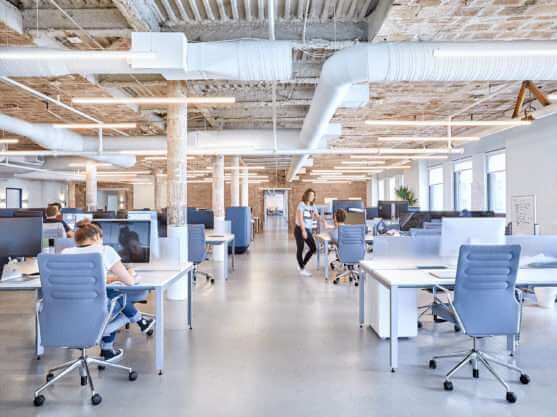
Integrating Technology for a Smart Office Environment
The rise of the smart office is undeniable, with technology becoming integral in creating an efficient and connected work environment. Wireless connectivity, high-speed internet access, and cloud-based storage systems are the baseline for modern offices. These tech essentials ensure staff can work seamlessly within the office or remotely, maintaining productivity and collaboration.
Moreover, incorporating technology into meeting rooms with advanced conferencing equipment and interactive displays facilitates better communication with clients and team members worldwide. The convenience of digital collaboration tools cannot be understated, as they enable spontaneous brainstorming sessions and agile project management.
Another aspect of tech integration is adopting software solutions for office management. This can include room booking systems or inventory tracking, thereby streamlining administrative tasks and freeing up valuable resources. Companies like OFS Corp specialize in providing office furniture that can complement such technological advancements, combining comfort with connectivity.
Embracing Modern Design Elements in Office Renovations
Modernizing an office space often begins with embracing new design elements that reflect contemporary aesthetics and functional needs. Office renovations should aim to create spaces that not only look good but also enhance the productivity of employees. This includes choosing color palettes that inspire creativity, installing modern, ergonomic furniture, and ensuring that the overall layout facilitates easy movement and workflow.
Lighting plays a pivotal role in the ambience of an office. Natural light sources should be maximized, but where this isn’t possible, the implementation of LED lighting can mimic daylight, reducing eye strain and saving energy. Additionally, incorporating artwork and accent pieces can inject personality into the workspace and make it more inviting for employees and clients alike.
Modern design also means including smart features like advanced door entry systems that offer both security and a tech-forward feel to the entrance of your workspace. Providing a safe environment for employees is paramount, and technological advancements in security can assure that while also showcasing a modern touch.
Incorporating Biophilic Design for Enhanced Well-being
Biophilic design, which integrates natural elements into the workplace, is increasingly popular due to its positive impact on employee well-being and productivity. This design philosophy can manifest through the presence of plant life, natural light, and materials that mimic those found in nature. Such elements are known to reduce stress and improve cognitive function.
An office that incorporates biophilic design may feature living green walls, wood or stone finishes, and expansive windows that offer views of the outdoors. Moreover, designing an office space with outdoor access or terraces can provide employees with a much-needed connection to the external environment, enriching their work experience.
Biophilic elements can also directly impact the indoor air quality. The use of plants not only adds to the aesthetic appeal but also helps purify the air. Coupled with a well-planned ventilation system, this can create an indoor atmosphere that is refreshing and conducive to good health.
Sustainable Practices to Future-Proof Your Office Building
Adopting sustainable practices is not just beneficial for the environment; it’s also a strategic business decision that can reduce operating costs and appeal to environmentally conscious clients and employees. Sustainability begins with the materials used in renovations, such as recycled content or locally sourced goods, which can lower the carbon footprint of construction.
Energy efficiency is another cornerstone of sustainable office design. Investing in high-quality insulation, energy-efficient HVAC systems, and smart building technologies reduces long-term energy consumption. Additionally, offices can harness renewable energy sources such as solar panels to further diminish environmental impact and establish energy independence.
Altogether, revitalizing your office building with these strategic approaches can lead to a workspace that is not only modern and efficient but also a wellspring of inspiration and productivity for your team. Overall, these methods aim to future-proof your workplace, create an engaging environment for employees, and demonstrate a commitment to sustainability and innovation.

