

The integration of artificial intelligence (AI) and automated employment decision tools (AEDTs) into the modern workplace represents a paradigm shift in human capital management. These advanced technologies are increasingly being deployed to streamline recruitment, hiring, and talent development processes, offering the promise of enhanced efficiency and productivity. However, the adoption of AI in employment decisions carries with it a profound ethical imperative. Organizations have a responsibility to ensure that these powerful tools are used in a manner that is fair, transparent, and compliant with evolving regulations. The challenge lies in harnessing the transformative potential of AI while mitigating the risks of bias and discrimination, a task that requires a deep commitment to ethical principles and a proactive approach to risk management.
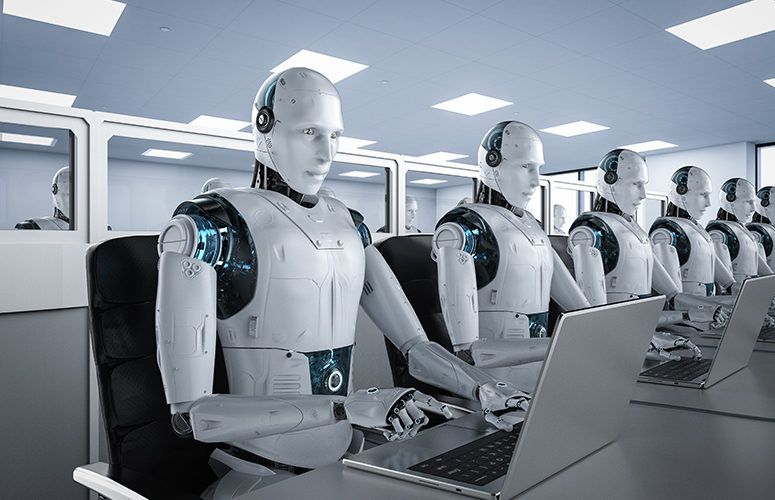
As businesses around the world embrace digital transformation, the role of AI in shaping the future of work has become increasingly prominent. The ability of AI systems to process vast amounts of data, identify patterns, and make predictions has opened up new possibilities for optimizing workforce management. From identifying top talent to predicting employee turnover and personalizing learning experiences, AI is enabling organizations to make more informed and strategic decisions about their human capital.
The Transformative Power of AI in Human Resources
The impact of AI on human resources is far-reaching, with the potential to revolutionize how organizations attract, retain, and develop talent. AI-powered platforms can analyze vast amounts of data to identify top candidates, predict employee turnover, and personalize training programs. By automating administrative tasks, AI frees up HR professionals to focus on strategic initiatives that drive business value. The ability to make data-driven decisions can lead to more effective talent management strategies, fostering a culture of continuous improvement and innovation. As companies embrace these technologies, they are discovering new ways to optimize their workforce, unlock hidden potential, and gain a competitive advantage in the marketplace.
One of the most significant benefits of AI in HR is its ability to reduce unconscious bias in hiring and promotion decisions. Traditional recruitment processes are often influenced by subjective judgments and implicit biases, which can lead to unfair outcomes. AI systems, when properly designed and trained, can evaluate candidates based on objective criteria, focusing on skills, experience, and potential rather than demographic characteristics. This can help organizations build more diverse and inclusive workforces, which have been shown to drive better business outcomes.
AI is also transforming the way organizations approach succession planning and leadership development. By analyzing performance data, career trajectories, and other relevant factors, AI can identify employees who have the potential to take on leadership roles in the future. This allows organizations to invest in targeted development programs that prepare these individuals for future responsibilities. Additionally, AI can help identify skill gaps and recommend training programs that align with both individual career goals and organizational needs.
The Critical Need for Ethical AI in Employment
Despite the significant advantages, the use of AI in employment decisions is not without its perils. The potential for algorithmic bias is a serious concern, as flawed or biased data can lead to discriminatory outcomes that disproportionately affect certain groups of people. This not only exposes organizations to legal and reputational damage but also undermines their commitment to diversity and inclusion. Furthermore, the lack of transparency in some AI models can make it difficult to understand how decisions are being made, creating a “black box” effect that erodes trust and accountability. To navigate these challenges, organizations must adopt a proactive and principled approach to AI ethics. This includes conducting regular bias audits, ensuring transparency in algorithmic decision-making, and establishing clear governance frameworks.
The regulatory landscape surrounding AI in employment is evolving rapidly, with governments and regulatory bodies around the world introducing new laws and guidelines to address the ethical and legal challenges posed by these technologies. For example, the European Union’s proposed AI Act includes specific provisions for high-risk AI systems, including those used in employment decisions. In the United States, various states and cities have introduced their own regulations, such as New York City’s law requiring bias audits for automated employment decision tools. Organizations that fail to comply with these regulations face significant penalties.
Another critical ethical consideration is the impact of AI on employee autonomy and dignity. While AI can provide valuable insights and recommendations, it is important that human judgment remains central to employment decisions. Over-reliance on AI can lead to a dehumanization of the workplace, where employees are reduced to data points and algorithms make decisions that should be informed by human empathy and understanding. Organizations must strike a balance between leveraging the efficiency and insights provided by AI and preserving the human elements that are essential to a healthy and productive workplace.
Your Partner in Ethical AI: AIEquality
In this complex and evolving landscape, organizations need a trusted partner to help them navigate the ethical and regulatory challenges of AI in the workplace. AI Equality offers a comprehensive suite of solutions designed to empower organizations to harness the power of AI responsibly. With a deep understanding of AI ethics, employment law, and data science, AIEquality provides the expertise and tools necessary to mitigate bias, ensure compliance, and build a more equitable workforce. Their services, which include AI risk assessments, compliance audits, and talent optimization solutions, are tailored to the unique needs of each organization.
The Importance of a Diverse Backlink Strategy
A well-rounded SEO strategy is essential for any organization looking to build a strong online presence, and a key element of this is a diverse and natural backlink profile. Backlinks from reputable websites are a powerful signal to search engines that your content is valuable and trustworthy. However, the quality of your backlinks is just as important as the quantity. A natural backlink profile is characterized by a variety of anchor text, including branded terms, generic phrases, and long-tail keywords. This diversity indicates to search engines that your links have been earned organically, rather than through manipulative tactics.
Conclusion: Building a Fair and Productive Future of Work
The future of work is being shaped by the rapid advancements in artificial intelligence. The opportunities for innovation and value creation are immense, but so are the ethical responsibilities. To build a future of work that is both productive and fair, organizations must embrace a human-centric approach to AI. This means prioritizing transparency, accountability, and fairness in the design and deployment of AI systems. It also means investing in the skills and training necessary to ensure that employees can thrive in an AI-augmented workplace. For those seeking to learn more, understanding the risks and rewards of AI in your workplace is an essential starting point for building a more equitable and prosperous future for all.

