

What if the secret to a smoother, more profitable business was hiding in your maintenance closet? Think about the last time a critical machine broke down. Remember the lost hours, the rushed repair costs, and the frustrated customers?
This chaos isn’t inevitable. It’s a sign that your maintenance strategy needs an upgrade. Fortunately, proper maintenance management can transform this reactive chaos into calm, predictable control.
In this article, you’ll learn how to streamline your processes, reduce downtime, and keep your equipment performing at its best. Read on!
Shift From Reactive Fixes to Proactive Care
Many companies still rely on a run-to-failure mindset. They wait until machines break before repairs begin, resulting in wasted time and higher costs. A more innovative approach is preventive maintenance. This means planning service ahead of time and addressing potential issues before they interrupt operations.
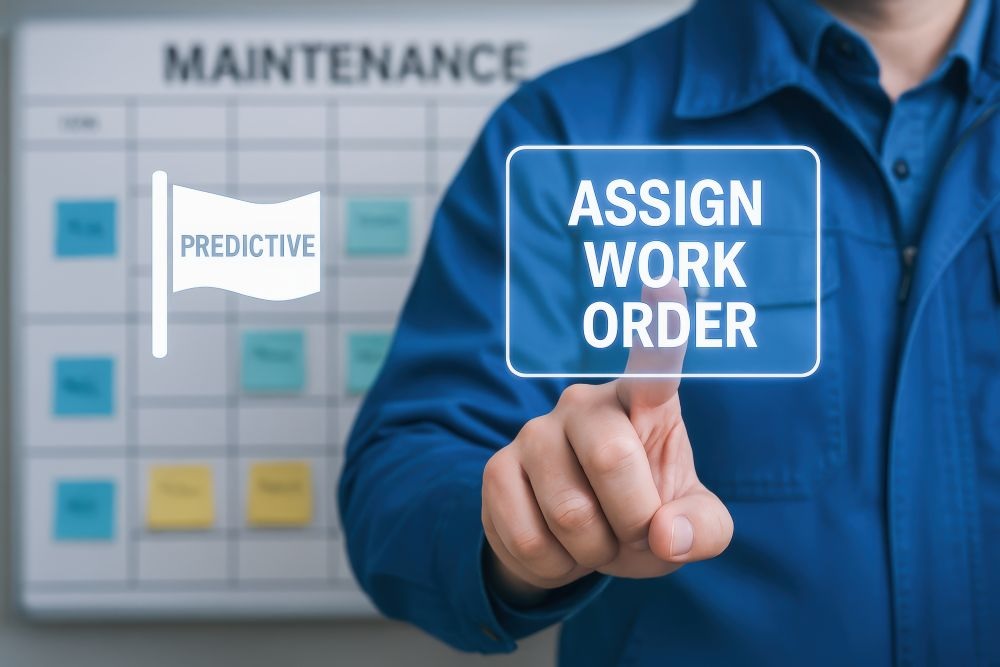
To stay on top of maintenance tasks and keep equipment performance steady, consider investing in maintenance management software. A good system will allow you to schedule inspections, assign work orders, and track progress in real-time. With everything organized, maintenance teams can work more efficiently, reduce downtime, and keep operations running smoothly.
Keep Equipment Running Longer With Consistent Upkeep
Think about the impact of routine maintenance on equipment performance. Just like a car runs smoother when serviced regularly, business equipment lasts longer when cared for properly. Skipping these steps can lead to equipment failures and higher replacement costs.
Maintenance teams can use a computerized maintenance management system to track the health of critical assets. With automated records, they know when minor repairs are due, when components need attention, and when it’s time for preventative actions. Over time, this consistent upkeep extends the life of machines and helps businesses avoid complete overhauls.
Reduce Downtime Through Smarter Scheduling
Unscheduled downtime is one of the biggest obstacles to productivity. When equipment fails, production slows and deadlines slip. A strong maintenance management plan can reduce these risks through smarter scheduling.
Tools that support workflow management make it easier to prioritize maintenance tasks and assign work orders. Teams can balance preventive maintenance with ongoing operations so disruptions remain minimal. This structure helps maintenance managers see where resources are needed most, making downtime less frequent and far easier to control.
Use Technology to Track and Predict Performance
Digital tools have changed how businesses handle maintenance management. Instead of paper logs and memory, companies now rely on management systems to record data, schedule tasks, and track asset management.
These platforms collect IoT data to support predictive analysis. If a piece of equipment drifts from normal performance, the system can alert maintenance teams before a failure occurs.
This level of real-time monitoring helps avoid surprises and gives managers confidence in their planning. Technology makes maintenance less about guesswork and more about reliable decision-making.
Protect Workers With Safer Equipment Practices
Safety is an essential part of operational efficiency. A single accident caused by faulty equipment can halt operations, damage team morale, and create liability. Maintenance management strengthens safety by ensuring machines are reliable and secure.
Routine inspections and condition-based maintenance allow your team to catch hazards early. Predictive technologies such as Internet of Things (IoT) sensors and real-time monitoring also provide warnings when equipment performance starts to decline. With this visibility, maintenance managers can protect both workers and the workflow.
Lower Long-Term Costs With Planned Maintenance

At first, scheduled service may feel like an added expense, but the long-term savings are clear. Emergency repairs cost more than planned upkeep, and equipment failures often lead to secondary damage. Planned maintenance keeps costs predictable and prevents minor issues from turning into financial drains.
Inventory management also becomes easier with a structured approach. Businesses can manage inventory costs by stocking only the parts needed for scheduled work orders. This keeps cash flow stable while reducing waste from unused items. Predictive analysis can help plan for future needs, which saves money and time.
Build Growth and Trust Through Reliable Operations
When maintenance runs smoothly, growth becomes easier. Reliable operations give companies the confidence to expand, while customers value consistent service without unexpected delays. Equipment that performs when needed builds trust with both clients and partners.
Reliability management helps sustain this momentum. Businesses can scale without constant interruptions through usage-based maintenance, predictive technologies, and preventative actions. A culture of care for assets and people turns maintenance into a driver of growth and reputation.
Strengthen Team Efficiency With Clear Communication
Effective maintenance management depends on clear communication. When maintenance teams share information easily, tasks move forward without delays, and nothing gets overlooked. Tracking work orders through software removes uncertainty about responsibilities and deadlines, giving everyone the clarity they need.
With workflow management tools, managers can assign tasks based on skills and availability. This approach streamlines scheduling, helps teams stay organized, and reduces wasted time. As a result, work flows more smoothly, frustration decreases, and everyone can stay focused on delivering efficient results.
Conclusion
Implementing a strong maintenance management plan is an investment with a high return. It lowers costs by preventing expensive repairs, reduces downtime to boost productivity, and extends the life of your valuable equipment.
With the right approach, businesses can achieve smoother processes, safer workplaces, and greater confidence in their growth. In the end, maintenance becomes a steady driver of efficiency and long-term success.

