

Technology plays a growing role in how people cope with personal injuries. From the moment an injury occurs to the long road of recovery, digital tools and innovations offer support and resources that were once hard to access. These advancements help reduce the burden on individuals by making information and services more available.
Devices like smartphones and wearable health monitors provide constant connectivity and tracking. This allows injured individuals to stay in touch with healthcare providers, family, and support networks. The presence of technology can ease anxiety and make the process less isolating.
Beyond simply offering connectivity, technology has started to integrate into the very fabric of healthcare delivery for injury recovery. Artificial intelligence algorithms analyze health data collected from wearables to spot warning signs early, helping prevent complications before they escalate. Mobile apps use personalized reminders and progress tracking to encourage consistency in rehabilitation exercises, which is crucial for effective healing. Meanwhile, virtual consultations break down geographic barriers, giving patients access to specialists who might otherwise be out of reach. This deeper integration of technology creates a more seamless and responsive recovery environment that adapts to each individual’s unique needs.
How Personal Injury Affects Lives Today
According to accidentjusticepro.com, a personal injury disrupts more than just physical health. It changes daily routines, financial stability, and emotional well-being. Many people face challenges getting the right care, managing expenses, and dealing with legal matters after an injury.
The complexity of personal injury recovery highlights the need for tools that simplify communication and organization. Technology can fill these gaps by offering platforms to schedule appointments, track medical progress, and manage paperwork. It helps injured individuals regain control over their lives amid uncertainty.
The ripple effects of a personal injury often reach far beyond the immediate aftermath. Employment may be affected, leading to loss of income or job insecurity. Relationships can become strained due to shifting responsibilities and emotional stress. Mental health struggles, such as anxiety or depression, may also emerge as a result of the trauma and uncertainty. Technology offers a lifeline by providing access to counseling services, peer support forums, and educational content that empower individuals to cope better with these challenges. Through these digital resources, people can find practical help and emotional reassurance that might otherwise be difficult to obtain.
Digital Tools That Assist in Healing and Support
Several digital applications have been designed specifically to aid those recovering from injuries. Some offer guided physical therapy programs that can be followed from home. Others provide mental health support through online counseling and peer groups, which can be vital for emotional healing.
Furthermore, technology allows access to educational resources that explain injuries and treatment options in clear language. This helps users make informed decisions without feeling overwhelmed. Together, these tools create a comprehensive support system that reaches beyond traditional care.
The power of digital tools lies not just in their accessibility but also in their ability to tailor experiences to individual needs. Many apps adapt therapy exercises based on user feedback and progress, ensuring that rehabilitation is both effective and safe. Online support groups connect individuals facing similar injuries, fostering a sense of community and shared experience that alleviates feelings of isolation. Educational platforms use videos, interactive diagrams, and easy-to-understand articles to break down complex medical information. These features empower users to take an active role in their recovery, which can improve outcomes and increase satisfaction with care.
Telemedicine’s Growing Influence on Care Access
Telemedicine has reshaped how medical attention is delivered, especially for those with mobility challenges. Through video calls and remote monitoring, patients can consult doctors without leaving their homes. This convenience speeds up diagnosis and treatment.
For personal injury victims, telemedicine means faster responses to complications and easier follow-up care. It reduces the need for travel, which can be painful or impractical during recovery. As telehealth continues to expand, it promises more personalized and flexible care.
Telemedicine also opens doors for more frequent and detailed monitoring of injuries. Wearable devices can continuously send health data to doctors, allowing for quicker adjustments in treatment plans without in-person visits. This continuous feedback loop helps catch potential issues early and maintains a closer connection between patient and provider. Additionally, telemedicine platforms often integrate with electronic health records, making it easier for healthcare teams to coordinate care across different specialists. These improvements not only enhance medical outcomes but also provide peace of mind for patients and their families.
Future Technologies That Could Improve Recovery
Emerging technologies hold promise to transform personal injury recovery even further. Artificial intelligence can analyze medical data to suggest tailored treatment plans. Virtual reality is being explored as a tool for pain management and physical rehabilitation.
Wearable sensors will likely become more sophisticated, offering real-time feedback to both patients and doctors. These innovations may shorten recovery times and improve outcomes by making treatment more interactive and responsive. The future of recovery is closely tied to how technology evolves.
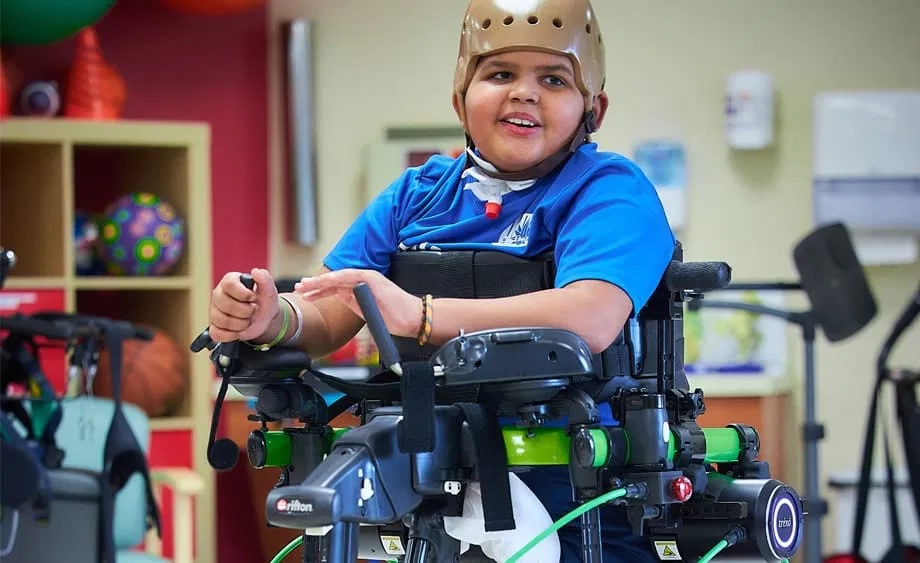
The potential for future technology extends beyond medical treatments into holistic support systems. Imagine smart homes that adjust lighting, temperature, and accessibility features automatically to accommodate recovering individuals. AI-powered virtual assistants could remind patients to take medications, perform exercises, or even alert caregivers if something seems amiss. Advances in robotics might enable assisted mobility devices that adapt in real time to a user’s needs and progress. These innovations suggest a future where recovery is not just about healing the body but also about improving quality of life through intelligent and compassionate support.
How Technology Makes Recovery More Manageable
Technology not only aids in medical treatment but also in daily living during recovery. Apps for medication reminders, symptom tracking, and appointment scheduling help individuals stay organized. These systems reduce stress and prevent lapses in care.
Social media and online communities provide emotional support, connecting injured individuals with others facing similar challenges. This sense of belonging can be crucial in maintaining motivation and hope. Ultimately, technology helps turn a difficult journey into a more manageable experience.
Living with a personal injury often requires juggling multiple responsibilities, from healthcare to finances and social connections. Technology helps streamline these demands through integrated platforms that centralize information and communication. Cloud-based services store medical records, legal documents, and insurance information in one accessible place. Virtual support groups and forums create spaces for sharing advice and encouragement beyond physical limitations. These combined tools not only simplify day-to-day life but also foster resilience and empowerment, reminding people that they are not alone on their recovery path.

