

In the dynamic environment of 2024, organizations are under increasing pressure to defend their assets from persistent and sophisticated threats. An effective IT investment strategy now hinges on robust prevention, continual adaptation, and close attention to new attack techniques. Partnering with an expert in cybersecurity for businesses is now a critical step for companies determined to protect their data, credibility, and future growth.
The right approach to IT infrastructure not only establishes defenses but also strengthens business agility and customer trust. From AI-powered attacks to third-party vulnerabilities, business leaders and IT managers must remain proactive to avoid costly disruptions. Understanding where to prioritize investments empowers companies to stay resilient, avoid data loss, and secure their place as a trusted brand in the digital marketplace.
In this article, we examine the most relevant IT investment areas, focusing on advanced cybersecurity responses, threat detection, and data protection practices. With the stakes higher than ever, IT decisions must be guided by a comprehensive awareness of both new risks and innovative safeguards.
Ultimately, building a strong IT foundation enables organizations to navigate regulatory requirements, enhance operational efficiency, and sustain competitive advantage.
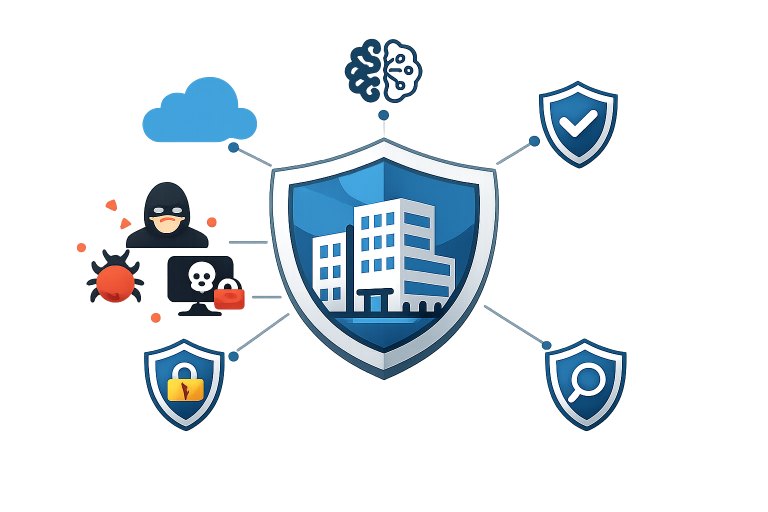
The Rise of Generative AI in Cyber Attacks
Generative AI tools have dramatically improved the sophistication of cyber attacks. Cybercriminals are now using AI to automate the creation of highly convincing phishing emails, voice deepfakes, and social engineering campaigns at a scale and accuracy that was previously unattainable. For defenders, this marks a critical investment area: deploying AI-driven analytics and advanced threat monitoring can help detect suspicious activity earlier, allowing teams to stop breaches before they escalate.
Businesses investing in machine learning-based security solutions are better positioned to identify unusual network patterns, isolate suspicious communications, and react to threats in real-time. According to Software Solutions, Inc., integrating AI into the cybersecurity stack is quickly becoming a standard practice in sectors like finance, healthcare, and retail, as the technology helps level the playing field between defenders and attackers.
The Surge in Ransomware Incidents
The frequency and severity of ransomware attacks have spiked, with businesses of all sizes facing extortion attempts that can be financially catastrophic. Statistically, the first half of 2025 saw a nearly 50% increase in attacks, with the vast majority of targeted companies opting to pay ransoms despite no guarantee of full data recovery. This reality underscores the importance of layered defense strategies, including secure offsite and cloud backups, endpoint monitoring, and employee training.
Investments in backup automation and immutable storage solutions help ensure that even if a network is compromised, business operations can resume without significant loss. Moreover, comprehensive incident response planning and regular testing can reduce downtime and limit the reputational damage associated with these attacks.
The Escalation of Data Theft
Data theft now dominates the cyber threat landscape, accounting for the vast majority of attacks in the last year. Attackers increasingly focus on stealing personally identifiable information, financial details, and proprietary business data – either to sell on the black market or use as leverage for further crimes. Companies in regulated industries must prioritize advanced encryption, regular vulnerability assessments, and compliance-driven data access policies.
Modern organizations have found that deploying data loss prevention (DLP) tools and adopting a zero-trust architecture can make a meaningful difference in reducing risk. By restricting access based on user identity and device health, businesses minimize unauthorized exposure and more quickly identify signs of malicious activity. Guidance from major cybersecurity authorities suggests that rigorous access controls and continuous monitoring are vital to thwart emerging tactics.
Growing Third-Party Vulnerabilities
While third-party software, cloud solutions, and outsourced services enable business growth and flexibility, they can also introduce significant security risks. Reports from global organizations highlight a widening gap in how companies manage the security practices of their vendors. As reliance on external partners grows, so does the attack surface, often beyond the organization’s direct oversight.
Smart IT investment involves establishing robust third-party risk management programs. This includes conducting regular security assessments of vendors, requiring contractual obligations for cybersecurity standards, and collaborating on incident response protocols. Building stronger, mutually beneficial relationships with vendors supports a more secure ecosystem for all involved.
The Challenge of Insider Threats
Insider threats remain an often underestimated area of risk. Employees and contractors with legitimate access to internal systems can, intentionally or inadvertently, cause significant harm. Notably, highly regulated sectors like technology and telecommunications have seen increased breach activity related to insiders.
Businesses are encouraged to invest in ongoing security awareness training, establish clear guidelines for sensitive data handling, and implement monitoring tools to detect unusual access patterns. Creating a culture of accountability and confidentiality, supported by transparent policies and regular audits, reduces the likelihood and impact of insider incidents.
Continuous Threat Exposure Management as a Best Practice
Rather than relying on sporadic assessments or periodic compliance checks, forward-thinking organizations now focus on continuous threat exposure management (CTEM). This strategic approach involves ongoing identification, evaluation, and remediation of vulnerabilities across both digital and physical assets.
Investment in CTEM delivers several business benefits – including a reduced attack surface, better preparedness for new types of attacks, and enhanced confidence among customers and partners. Automated vulnerability scanning, penetration testing, and threat intelligence integration are key elements in keeping businesses one step ahead of adversaries.
Conclusion
As digital threats continue to evolve, organizations must rethink their approach to IT investments. From AI-driven defenses to robust backup solutions and third-party risk management, prioritizing comprehensive cybersecurity initiatives is no longer optional. By capitalizing on emerging technologies and refining their response strategies, companies can not only protect sensitive data but also seize new opportunities in the digital age.

