

Markets Wake Up Before Most People Do
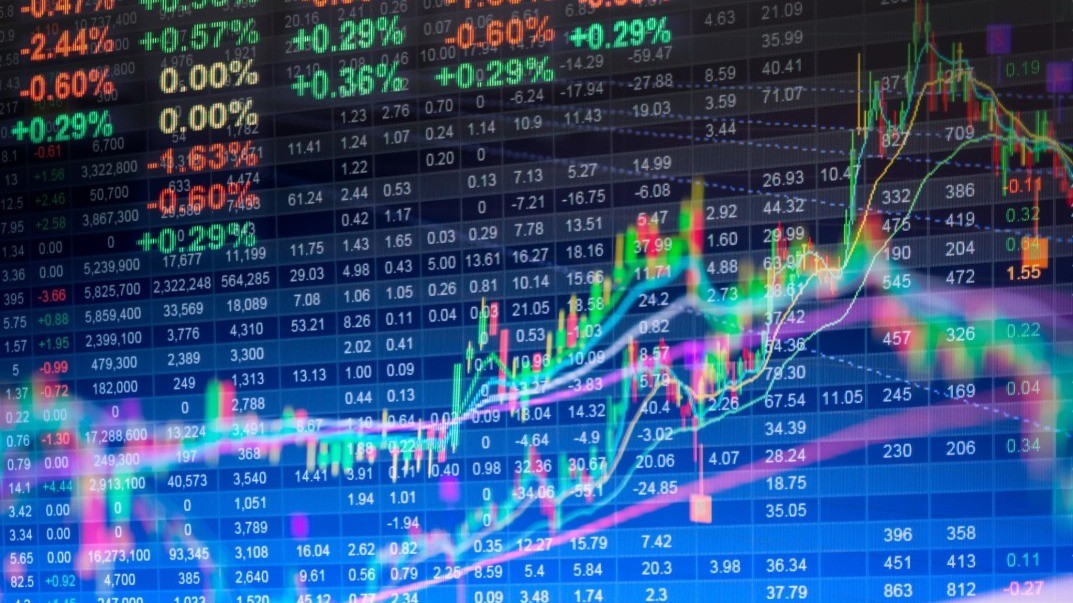
There is something almost alive about the way stock prices behave each morning. Before most people have finished their first cup of tea, numbers are already shifting on screens across trading desks and mobile apps. For anyone paying attention to the share market, this daily rhythm of ups and downs is not random chaos — it is the market processing information in real time. Some days the movement is gentle. Other days, a single piece of news can shake an entire sector sideways. Either way, the movement always has a reason behind it, even when that reason is not immediately obvious to the naked eye.
The Economy Speaks — Markets Listen
Consider economic data as the report card of the market. Every week, new data are revealed, including GDP growth forecasts, job statistics, inflation figures, and central bank policy choices. Before the dust even settles, buyers react. Fear of rising interest rates tends to drive down stock values when inflation exceeds forecasts. When job numbers surprise on the upside, confidence goes up, and buying typically follows. It prices in expectations the moment new data lands, which is exactly why prices can swing so sharply on days that seem otherwise uneventful.
The Real Culprits Behind Every Market Move
Examining a variety of factors that nearly always work simultaneously is important to break down daily price changes. Here is what investors typically pay attention to:
- The basic idea of supply and demand says that prices rise when there are more buyers than sellers and drop when there are more sellers than buyers.
- Corporate profits Results: Depending on whether a firm meets or exceeds its quarterly profits projection, its stock may rise or fall within minutes of the news.
- Global Developments: Wars, changes in trade policy, and choices made by central banks in the US or Europe can have an effect on Indian markets.
- Government and Policy Announcements: New sector-specific efforts, financial adjustments, or regulatory changes may greatly alter investor desire overnight.
- Demand Trends by Season: Experienced traders take into account the normal yearly shifts in several industries, such as retail, energy, and farmland.
When the Banking Sector Sneezes, the Market Catches a Cold
The mood of the entire market can be affected by banking stocks. One of the most highly watched industry measures in India is the bank nifty index, which is a group of large and frequently traded banking stocks from the public and private sectors. Because banks handle credit, liquidity, and cash flow, they are the basis of economic activity, and as such, their daily performance often reflects the general state of the economy. Watching how banking stocks move during a session often gives investors a sense of where market momentum is headed before it becomes obvious in the broader indices.
Reading the Room — What Investor Sentiment Actually Does
A lot can be explained by numbers and facts, but the rest is explained by human behaviour. Prices can rise much above what facts support due to market mood, which is the combined emotional state of buyers on any given day. Even when revenue growth is small, bullish mood can push stocks upward. For the simple reason that worry is infectious, negative fear can bring down good companies. The biggest mistake in the book is that buyers who chase momentum without a plan usually buy near the peak and sell near the bottom. The ability to distinguish between sentiment-driven and truly justified price changes separates discerning buyers from reactionary trades.
The Section of the Market That Keeps Professionals Honest
Experienced market participants rarely look at just the headline index. Drilling into sectoral performance — particularly monitoring the bank nifty index alongside other sector-specific benchmarks — gives a much richer picture of what is actually happening beneath the surface. For many years, the banking index has been a useful tool for building swaps strategies, comparing portfolios, and analysing the general health of the financial environment. It is frequently a hint that the selling pressure is concentrated elsewhere when banking stocks stay steady despite general market weakening. Only when buyers look past the top number does that kind of detail become clear.
The Bottom Line Every Investor Should Carry With Them
Every day, markets will always be unexpected since that is the heart of any system that is driven by millions of parallel human decisions. However, chance and uncertainty are not the same thing. Every daily swing is the result of a combination of data, emotion, world events, and sector patterns that, when given enough thought, begin to make sense. Over time, investors who pledge themselves to comprehending these forces rather than reacting to every news story typically make more collected, astute, and eventually profitable choices.

