

The Rise of Batting Cages in Sports Practice
The evolution of batting cages has revolutionized how amateur athletes and seasoned professionals refine their techniques. These controlled environments provide a designated area for repetitive practice, helping players improve their swing dynamics and overall mechanics. As participation in baseball and softball grows, so does the demand for reliable equipment—including high-quality batting cage netting built to withstand daily use. Facility owners, schools, and sports clubs prioritize cage setups that are not only effective at containment but also prioritize athlete safety.
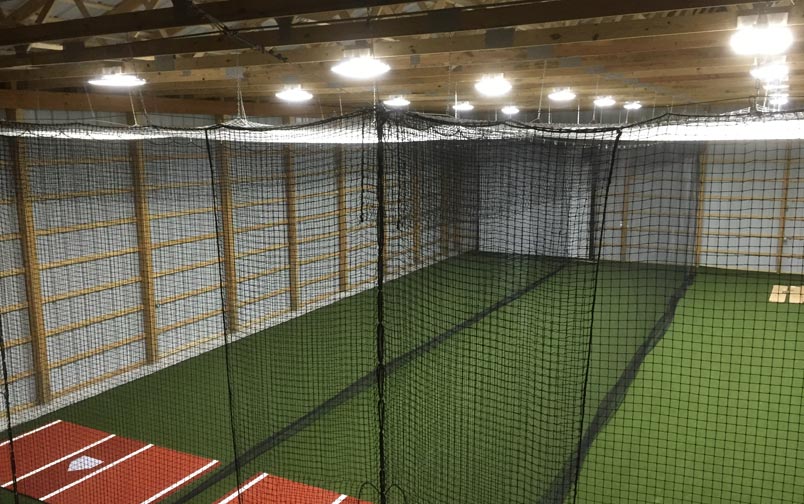
Modern batting cages, seen in community parks and professional training centers alike, incorporate innovation in both design and materials. This focus on durability and safety aligns with industry guidance, promoting a reduction in injury risk while maximizing the training potential of each session. By investing in robust netting and thoughtfully engineered cage structures, organizations ensure their athletes practice in secure, high-performance environments.
Materials Matter: Choosing the Right Netting
The structural integrity and lifespan of a batting cage depend significantly on the type of material used for the netting. Nylon, polyester, and polyethylene are leading options offering distinct advantages. For instance, high-density polyethylene nets are widely recognized for their excellent UV resistance and low water absorption, making them a top choice for outdoor cages that must endure changing weather conditions. Nylon, however, provides superior flexibility and impact strength but can break down under prolonged sunlight exposure unless treated with UV inhibitors. Choosing the optimal material is crucial for balancing cost, longevity, and performance, and ultimately determines the return on investment for facility owners.
Beyond material, net gauge and mesh size impact both safety and durability. A heavier gauge resists tearing from powerful impacts, while a tighter mesh prevents balls from passing through, ensuring a safer experience for athletes and bystanders. Facility managers should consult netting specialists to determine the best specifications for their unique operational needs. For those looking to source high-quality netting, browsing options for sports nets from reputable providers can simplify the selection process.
Professional Techniques for Installing Durable Nets
Even the highest-grade netting material needs professional installation to perform at its best. Properly installed nets maintain their shape, resist sagging, and minimize points prone to wear. Professionals recommend securing all anchor points with heavy-duty hardware, spacing them evenly to distribute the load, and using protective sleeves where the net could rub on structural elements. Regular tension checks are vital, as slack areas wear out rapidly compared to well-stretched sections.
By prioritizing precise installation, facilities can extend the lifespan of their nets and reduce overall maintenance costs. Additionally, integrating installation best practices ensures that replacement or repairs will be less frequent and easier to execute—saving time and resources in the long run. Resources like the National Federation of State High School Associations offer valuable installation tips and safety insights for batting cages.
Spotting Wear and Tear Before It Becomes a Problem
Regular inspections can uncover minor issues before they escalate into safety risks or costly replacements. Seasoned facility operators keep a checklist of frequent trouble spots—looking for frayed knots, worn seams, or overstretched anchor ties in high-impact areas. Attention to detail in routine evaluations prevents injuries caused by balls escaping through damaged sections or nets collapsing unexpectedly during use.
Documenting inspection results also makes it easier to spot wear patterns, allowing for adjustments in net positioning or reinforcement of vulnerable zones. Encouraging coaching staff and athletes to report irregularities further enhances the effectiveness of these preventative measures.
Effective Maintenance Habits for Longevity
Consistent maintenance routines are crucial for maximizing the lifespan of batting cage nets. Simple interventions—such as monthly hand-cleaning to remove debris, immediate patching of small holes, and storing nets in a dry area during the off-season—can significantly delay degradation. According to Baseball America, well-maintained sports equipment directly contributes to players’ safety and productivity.
Assigning maintenance responsibilities and keeping logs can help keep everyone accountable while tracking the effectiveness of the procedures in place. Timely responses to minor repairs limit the risk of large-scale failures that would otherwise interrupt training schedules and increase expenses.
Defending Nets from the Elements
Outdoor batting cage nets face their greatest challenge from exposure to the elements. Prolonged sunlight, high winds, rain, and winter extremes can all contribute to premature wear. Employing UV-resistant materials and installing nets with easy-to-remove fasteners allows for protective actions like covering or storing nets during harsh conditions. Additionally, periodic inspections after storms or temperature extremes can reveal damage that might not be immediately visible.
Facilities in regions susceptible to snowfall should elevate or bring in their nets before the first frost, while those in sunny climates must focus on UV protection. Measures like tarps and weatherproof coatings can add an extra layer of defense, helping nets retain their structure and resiliency longer.
Adhering to Sports Safety Standards
Compliance with current sports safety standards is essential for any batting cage installation. National and local governing bodies set parameters for net strength, mesh size, and tension that must be met to ensure athlete and spectator safety. Staying abreast of periodic updates to these standards is part of responsible facility management. Adhering to standards not only helps mitigate liability risks and maintain insurance coverage but also demonstrates a commitment to safety within the community.
By investing in quality infrastructure and protective gear, organizations effectively reduce accidents while building trust among participants and their families.
The Future of Batting Cage Technology
As advances in material science continue, the next generation of batting cage netting is poised to be stronger, more resilient, and smarter than ever before. Cutting-edge synthetic fibers promise greater flexibility and resistance to the elements, reducing the need for frequent replacements. Innovative technology, including embedded sensors and connected monitoring systems, may soon allow remote tracking of net stress levels, impacts, and real-time alerts for needed repairs.
Integrating automated maintenance solutions and eco-friendly materials will play a growing role in developing future sports equipment. By harnessing these innovations, teams and training centers can offer safer, more efficient environments—fueling both player performance and long-term facility sustainability.

