

The most dangerous intersections are chaotic by nature. There are cars turning left, others trying to beat the red light, and pedestrians crossing when you least expect it. That chaos won’t magically disappear. But what’s changing is how much control we have over it.
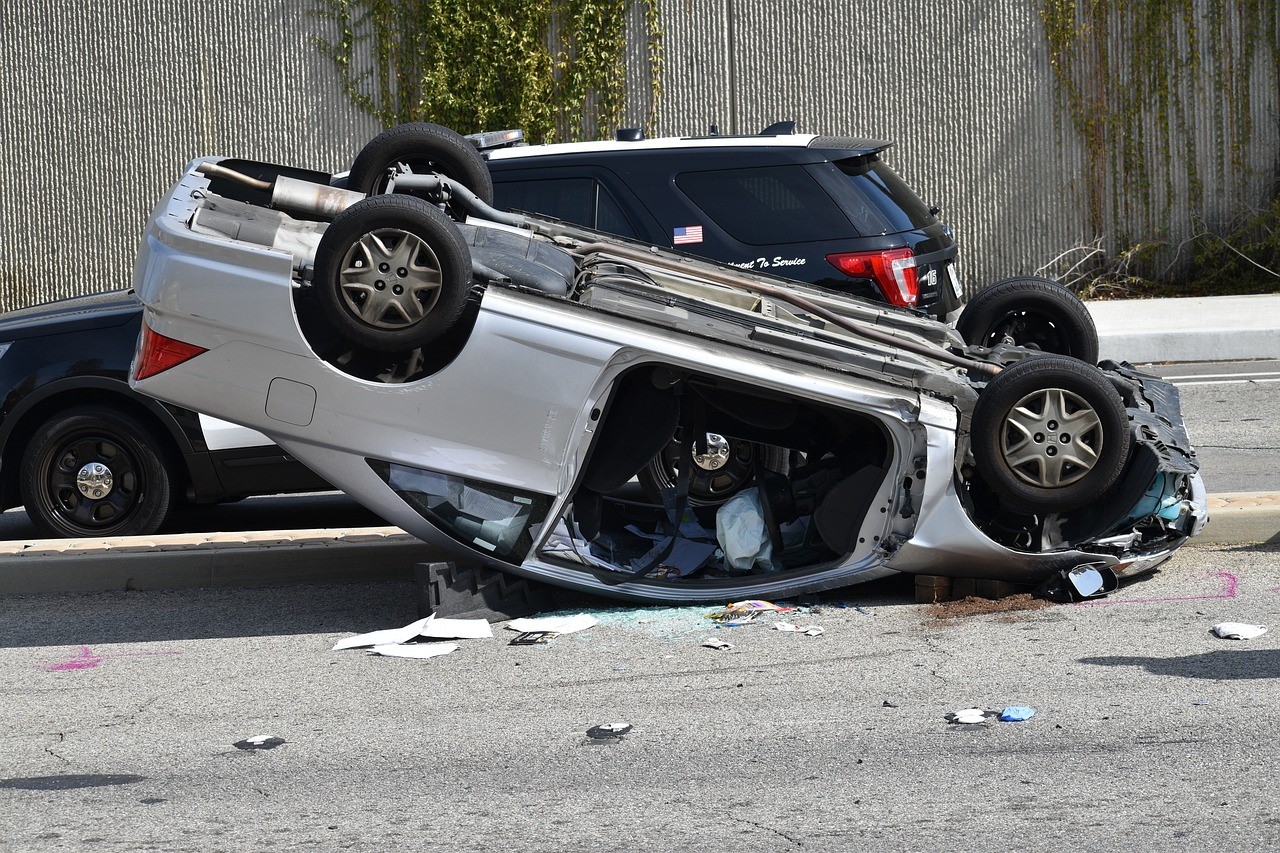
We’re now at a point where machines, sensors, and software are stepping in to do what humans often mess up. Technology can now see what we miss, respond faster than we can, and even predict things before they happen.
That’s a game-changer for car accident prevention, especially in busy intersections where many serious crashes occur due to human error like distraction, speeding, or misjudgment.
Nonetheless, crashes may still happen, especially while we’re in this transition phase where some cars are smart and some aren’t, and some roads are connected and some aren’t. That’s why it’s essential to know how to recover compensation for your crash-related losses and hold responsible parties accountable when systems fail or someone drives recklessly despite the tech around them.
Let’s see how some of the key accident prevention technologies are actually doing their jobs:
Advanced Driver-Assistance Systems (ADAS)
Cars aren’t just machines anymore. Many of them are more like co-pilots now. With ADAS, vehicles come packed with systems that constantly monitor what’s happening around you, and they don’t get tired, distracted, or emotional like humans do.
One of the most life-saving tools is automatic emergency braking. This system uses sensors and cameras to detect a potential crash ahead. If the driver doesn’t react fast enough, the car can brake on its own to avoid or reduce the impact of accidents like rear-end car accidents.
Then there’s blind-spot monitoring, which basically acts like eyes on the back (and sides) of your head. It alerts you if another car is hanging out in that hard-to-see zone next to your car, especially useful when changing lanes.
Adaptive cruise control is another smart tool, especially when you’re in stop-and-go traffic. It adjusts your car’s speed automatically to keep a safe distance from the car in front of you, helping you avoid rear-ending someone when traffic suddenly slows down.
Electronic Monitoring
Beyond the car itself, technology is being used on the streets to monitor and enforce safer driving. Traffic cameras and sensors are now doing more than just catching people who run red lights. These systems can detect things like speeding, sudden lane changes, and illegal turns; basically, all the things that make intersections so risky.
With automated enforcement, you don’t need a cop physically standing at every intersection. If someone runs a red light, a camera catches it, the system logs the violation, and a ticket can be issued automatically. It’s fast, consistent, and less likely to be ignored. And the presence of enforcement alone often deters reckless behavior, reducing the number of T-bone accidents that tend to cause severe injuries.
But the real magic happens with real-time data analysis. These systems gather data over time and analyze it to spot patterns. If one intersection sees way more accidents than others, city planners can dig into the data and figure out why. Maybe the light timing is off, or drivers can’t see approaching traffic clearly.
Whatever it is, the data helps point it out so it can be fixed before more crashes happen.
Smart Infrastructure
Now imagine if the road itself could warn you about danger before you even see it. That’s actually already happening.
Connected vehicle technology, also known as V2X (Vehicle-to-Everything), lets cars talk to each other and to the infrastructure around them. So if a car five blocks ahead slams on the brakes, your car can get that alert and start slowing down before you even know why.
If a traffic light is about to turn red, your car can prepare to stop more smoothly instead of you having to slam on the brakes at the last second.
Smart traffic signals take it one step further. Instead of running on a fixed timer, they adjust themselves based on real-time traffic flow. If there’s a backup on one side of the intersection, the light might stay green a little longer to clear it.
Also, intelligent road monitoring uses sensors embedded in the pavement to detect issues like potholes, icy patches, or debris. That information can be sent directly to city maintenance teams or even to drivers in real time. The quicker a hazard is spotted and dealt with, the less likely it is to cause an accident.
Satellite Technology
We usually think of satellites as something for weather or GPS, but they’re also playing a role in road safety. Satellites can give a real-time overview of traffic, not just on one street, but across an entire region.
That helps emergency services reroute faster and helps navigation systems like Google Maps warn you about congestion or accidents ahead. But this tech is getting more precise.
We now have enhanced navigation that doesn’t just tell you which road to take; it can guide you within the lane and warn you about sharp curves, construction zones, or sudden hazards with pinpoint accuracy.

