

A truck’s capability is largely defined by the strength and resilience of its bed—a vital aspect for owners who regularly transport heavy or abrasive materials. A robust truck bed withstands not only the weight of loaded goods but also the environmental pressures it encounters, such as corrosion, impact, and wear over time. Understanding the crucial features of a strong truck bed can guide you in making an informed purchase or maintaining your current vehicle.
Understanding the Importance of Durability in Truck Bed Design
Durability is paramount when it comes to designing a truck bed, as it dictates the vehicle’s ability to carry out tough jobs reliably. A durable truck bed is less likely to deform or fail when subject to heavy loads, which is essential for ensuring the safety of the cargo and the driver. Moreover, it resists the harsh conditions of various worksites, from the corrosive materials at a construction site to the uneven terrains in remote areas.
The consequences of a compromised truck bed can be severe, ranging from costly repairs to dangerous accidents. Materials like steel and aluminum are chosen for their ability to tolerate stress without breaking down over time. Additionally, protective coatings and treatments are applied to reduce the chances of rust and extend the overall life of the truck bed.
Another aspect of durability is the ability to withstand the rigors of daily use without significant maintenance. Truck beds are often exposed to the elements, which can lead to wear and tear if the design isn’t optimized for durability. Hence, weatherproof features are integral in modern truck bed designs to provide lasting protection against weather-induced damage.
Key Materials Used in Constructing a Strong Truck Bed
In the construction of truck beds, materials are carefully selected for their strength-to-weight ratios, durability, and cost-effectiveness. Steel is a popular choice due to its exceptional strength and ability to support substantial weight. It is also highly versatile, allowing for various customizations and modifications. High-grade steel provides the bed with formidable resistance to physical impacts while supporting heavy loads.
Aluminum is another commonly used material, prized for its lighter weight and natural resistance to corrosion. While not as strong as steel on a pound-for-pound basis, it offers significant weight savings, which means better fuel economy and easier handling. Aluminum truck beds often require special design considerations to maximize their strength while maintaining their lighter weight advantage.
Composite materials are becoming increasingly popular as an alternative to traditional metals. They offer excellent durability and are immune to rust. These materials allow for innovation in truck bed designs, with the possibility of integrating storage solutions or advanced systems without adding excessive weight to the vehicle.
The Role of Engineering: Design Features that Enhance Strength
Engineering is at the heart of what makes a truck bed both strong and practical. Engineers consider load distribution, stress points, and user experience to achieve an optimal balance of performance and reliability.
For instance, crossmember placement beneath the bed is designed to provide support where it’s needed most while allowing for flex in the right areas, thus reducing the chance of cracking or bending under stress. The creation of easy-to-use but secure tie-down points ensures cargo stability without compromising the integrity of the bed itself.
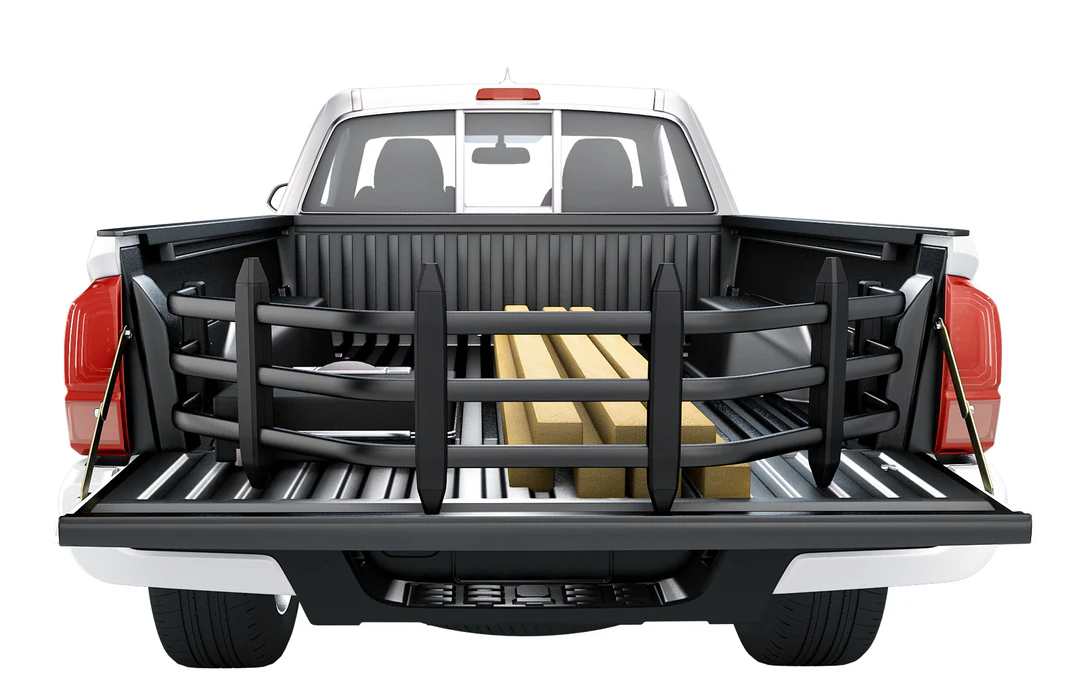
Sophisticated design can also include systems that facilitate the loading and unloading process, such as integrated ramps or sliding platforms. Compartments for tool storage add functionality while maintaining the structural integrity of the bed. Aerodynamic profiling can also play a role, with designers shaping the bed to minimize resistance and fuel consumption.
Aside from the structural aspects, modern truck beds often include smart technologies such as built-in scales for weight monitoring or tie-down sensors to ensure cargo is properly secured. The harmonization of strong design principles with advanced technology makes for a truck bed that not only meets today’s functional needs but anticipates tomorrow’s demands.
Overall, a strong truck bed, like those made by hillsboroindustries.com/, is the sum of its materials, design, and capacity, held together by diligent maintenance. By recognizing the essential qualities and care practices of a truck bed, owners and operators can ensure their trucks remain capable and reliable tools for work and transport.

