

You love your baby. You also need to move through your day: commuting, chasing a toddler, sitting through meetings, maybe even catching a flight. As a mom who has pumped in parked cars, windowless conference rooms, and the back row of an airplane, I can promise you this: freedom with breastfeeding is absolutely possible, and it does not have to come with a thirty‑pound pump bag.

A smart, lightweight “mobile moms toolkit” is less about having the fanciest gadget and more about matching the right tools to your real life. With good gear and a little strategy, you can protect your milk supply, your mental health, and your shoulders.
In this guide, I will walk you through three key questions that help most parents I work with: how many pumps you actually need, which style fits your lifestyle, and what belongs in a lean, grab‑and‑go pumping kit.
Along the way, I will lean on both lived experience and solid evidence from places like Yale School of Medicine, Stanford, Cleveland Clinic, and the FDA, so you are not just guessing in the baby aisle.
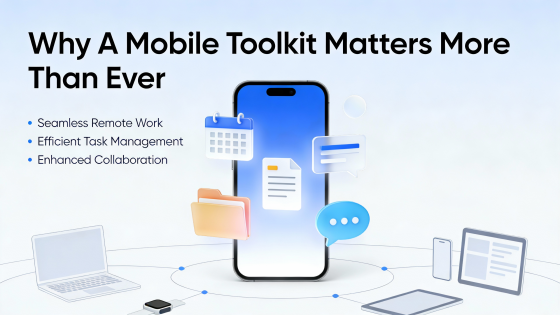
Why A Mobile Toolkit Matters More Than Ever
Modern breastfeeding rarely looks like staying home on the couch for a full year. Work, school, medical appointments, and caregiving for older kids all keep parents on the move.
A large study published in the Journal of Pediatrics and led by Yale School of Medicine researchers found that about ninety‑one percent of U.S. parents who started breastfeeding used a pump at some point. In their model, having and using a pump was associated with almost five additional months of feeding breast milk compared with not using a pump. The positive association was especially strong for non‑Hispanic Black and Native American families, groups that often face more barriers to breastfeeding. That is a powerful reminder that access to practical tools can literally buy families more time with breast milk.
At the same time, pumps have changed. Early in my own pumping journey, the “portable” option meant a heavy black briefcase with a motor that roared like an old vacuum. Today, we have compact double pumps that weigh well under 2 pounds, in‑bra wearables that disappear into your bra, and tiny manual silicone pumps that slip into a diaper bag pocket.
Think about a typical workday for a breastfeeding parent who is away from baby for eight hours. If she pumps three times for about twenty minutes, that is one hour of active pumping plus setup and cleanup each time. A double electric or powerful portable pump can cut total session time noticeably compared with a manual or single‑side pump, which is why organizations like Cleveland Clinic and Consumer Reports emphasize double, powered pumps for anyone pumping more than a few times per week.
A mobile toolkit is what allows those necessary sessions to fit into real life, whether that means twenty minutes in a parked car at lunch or a quick wearable‑pump session while you type. The goal is simple: protect supply and comfort while reclaiming as much of your day and your body as you can.
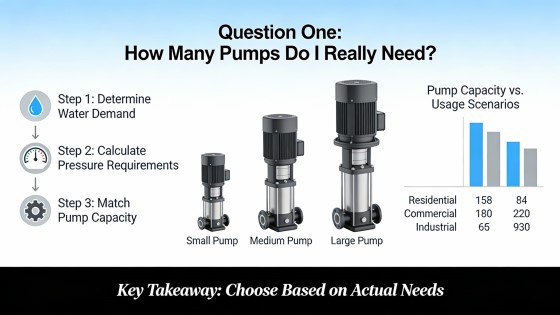
Question One: How Many Pumps Do I Really Need?
This question comes up constantly, especially from working moms who do not want to overbuy but also cannot afford a pumping crisis when a motor dies or a power outlet is missing.
Medical and consumer guides from Cleveland Clinic, the FDA, and Consumer Reports all land on a similar idea: many parents do best with a “main” pump plus at least one backup option. Lactation consultants at community breastfeeding centers say the same thing, especially for daily pumpers.
A helpful way to think about it is in three layers: your workhorse pump, your mobile partner, and your emergency backup.
Your Primary “Workhorse” Pump
This is the pump that does the heavy lifting for your supply. For many parents, especially in the first months, that is a double electric pump, sometimes even a rented hospital‑grade model. Clinical resources from Medela and independent breastfeeding centers describe hospital‑grade pumps as the most powerful and durable category, designed to establish and maintain milk supply in demanding situations such as prematurity, NICU stays, twins, or low supply.
Because hospital‑grade pumps can cost over $2,000 to buy, experts strongly recommend renting when you need that level of performance. Breastfeeding centers note that families often rent one for the first month or two after birth or during a supply crisis, then transition to a personal double electric pump once things are more stable.
If you expect to pump every workday for many months, a personal double portable breast pump makes a lot of sense as your primary device. These pumps are not the tiniest, but they are built for daily use, usually offer adjustable suction and cycle speeds, and can often be partly or fully covered by insurance.
Here is a simple example. Imagine you pump three times per day at work. Using a double electric pump for fifteen minutes per session means about forty‑five minutes of active pumping time. Using a single‑side pump, you might need closer to thirty minutes per session to get the same output from both breasts, or ninety minutes total. Over a five‑day work week, that is more than three extra hours.
Your Portable Partner
Portable electric pumps are the bridge between hospital‑strength and throw‑in‑your‑purse. A portable pump is usually a small, battery‑powered motor that clips to your waistband or tucks into your pocket, with tubing running to traditional flanges and collection cups. A detailed comparison from a portable‑pump brand describes typical suction up to around 280 to 300 mmHg, which is in the same range as many full‑size double pumps, but with a much smaller footprint.
Parents testing portable models for outlets like Parents and Consumer Reports found that a lightweight portable pump with strong suction could match the milk output of a larger plug‑in pump while running a full day on a single charge. For instance, one portable model with about a three‑hour battery could handle around seven sessions of ten to fifteen minutes each between charges.
Another example comes from a compact hospital‑strength portable pump weighing about 250 grams, which is roughly 0.55 pounds. With about three hours of battery life, if your average session is eighteen minutes, that battery covers up to ten sessions before you need to recharge. That is more than enough for a full workday plus an evening pump, while still light enough to clip to your clothing.
For many moms, this portable pump becomes the primary day‑to‑day pump once supply is established. It lives in the work bag, the car, or the kitchen drawer, always ready without hunting for an outlet.
Your Manual or “No‑Power” Backup
Every seasoned exclusive pumper I know has a story of a dead battery, a missing charger, or a random power outage. That is when the simplest tools shine.
Manual pumps and silicone milk collectors are hand‑powered devices that require no electricity. Cleveland Clinic and Consumer Reports describe them as inexpensive, quiet, and extremely portable, ideal for occasional use, travel, or catching letdown while baby nurses on the other side. Byram Baby and multiple mom‑focused blogs strongly recommend keeping a manual pump or silicone collector in your bag or desk as a backup.
From a practical standpoint, think about a day you forget your charger. If your portable pump battery dies after two sessions and you still need to empty your breasts on the commute home, a manual pump gives you a way to protect your supply and your comfort instead of white‑knuckling it in traffic.
So do you truly need three separate pumps? Not necessarily in the “top shelf, brand‑new” sense. But most mobile moms are well served by a strong primary device, something portable that can leave the house, and a tiny no‑power backup tucked away “just in case.”
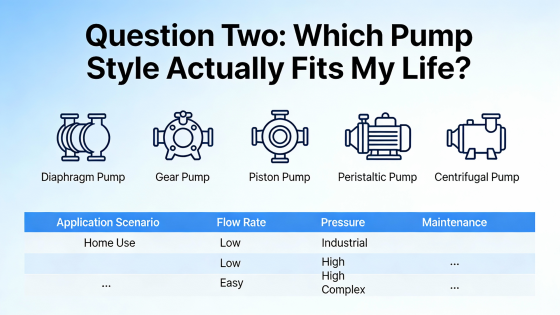
Question Two: Which Pump Style Actually Fits My Life?
Once you know you probably need more than one tool, the next question is which styles make sense for your season of life.
Medical and consumer guides divide pumps into a few big categories: hospital‑grade, personal double electric, portable electric, wearable in‑bra pumps, and manual or silicone devices. Each one brings its own mix of power, portability, and emotional freedom.
To help you compare, here is a quick snapshot.
| Pump type | What it is | Best for mobile moms | Common trade‑offs |
| Hospital‑grade (rental) | Large, powerful multi‑user electric pump often used in hospitals | Establishing supply early, preemies, low supply, exclusive pumping at home | Heavy and not truly portable; usually stays in one place; rental cost |
| Personal double electric | Plug‑in or rechargeable pump with two flanges and bottles | Daily work pumping, long‑term exclusive pumping, primary “workhorse” at home | Bulkier than wearables or manuals; may need outlet or frequent charging |
| Portable electric | Small, battery‑powered motor with tubing and separate flanges | Commuting, travel, pumping in cars or small spaces without outlets | Less discreet than in‑bra wearables; tubing to manage; may be less powerful than top hospital‑grade |
| Wearable in‑bra | Self‑contained cups and motor that fit inside a bra | Pumping while walking, in meetings, on school pick‑up lines, at social events | Often a bit less efficient at building supply; capacity per cup is limited; parts can be fiddly to clean |
| Manual or silicone | Hand‑powered or passive suction devices | Backups, quick relief, travel, catching letdown | Labor‑intensive for full emptying; usually best as supplement, not primary pump |
Let’s unpack how this plays out in real life.
When Wearables Are A Game‑Changer (And When They Are Not)
Wearable pumps have exploded in popularity for a reason. Forbes, The Bump, and Parents all highlight the way these in‑bra pumps offer hands‑free mobility and discretion. Many models hold around 4 to 5 fluid ounces per cup, and some high‑capacity options reach 6 to 7 ounces, which is especially handy for parents who go longer stretches between sessions.
In one real‑world review from What to Expect, a mom described using a heated wearable pump with a suction strength up to about 300 mmHg and a noise level around 46 decibels, similar to a desk fan. The cups warmed to between 95 and 105°F, acting like a warm compress and pump in one. With a charging case that supported about three twenty‑minute sessions per day for up to five days, she successfully pumped at home, in the car, at weddings, and during middle‑of‑the‑night feeds without having to “suit up” in special gear.
That is the upside: incredible flexibility and the ability to keep living your life while you pump.
The trade‑offs are important though. Expert roundups from Consumer Reports and lactation consultants quoted by The Bump caution that many wearables are slightly less efficient at building or increasing supply compared with a traditional double electric pump. Some users also struggle with small, fiddly parts that must be assembled perfectly to avoid leaks or loss of suction, and those parts can be harder to clean.
A simple way to think about the numbers: If your wearable cups each hold 5 ounces and your typical session fills them three‑quarters full, that is about 7.5 ounces total per session. If your baby drinks 25 ounces per day and you rely only on the wearable for four sessions, you are close to meeting daily needs. But if your supply dips or you need to increase production, a more powerful double electric or hospital‑grade pump might be more effective for a week or two until things rebound.
Why Portable Electric Pumps Are The Unsung Heroes
Portable electric pumps with an external motor sit in the sweet spot between raw power and freedom. A detailed comparison from a portable‑pump brand and independent testing from Parents showed that modern portable pumps can reach around 270 to 300 mmHg of suction, very close to full‑size double pumps. Many offer multiple suction levels and modes that mimic letdown and expression.
Consider a portable pump that weighs about 1.5 pounds, has a closed system for hygiene, and runs a full workday on a three‑hour charge, as testers described. If you pump three times for fifteen minutes, you are only using forty‑five minutes of that battery. Even if you add an evening session and a quick morning pump, you are still well under two hours of battery use.
For moms who move between home, office, and car, this kind of pump can feel life‑changing. You can tuck the motor into a pocket or clip it to your waistband, slip on a hands‑free bra, and answer email while you pump.
Compared with wearables, portable pumps usually let you see the milk in the bottles, which some parents prefer for peace of mind. They also tend to be less expensive than the most high‑end wearables and may have fewer tiny parts.
The main drawback is that you are still managing tubing, flanges, and bottles. It is not as invisible as an in‑bra pump, and if your job requires constant walking or lifting, the external motor might feel in the way.
Where Manual And Silicone Pumps Fit
Manual pumps and passive silicone collectors are the lightest, cheapest tools in the toolkit. Cleveland Clinic describes them as ideal for occasional pumping, catching milk from one side while baby nurses on the other, and serving as backups when power is not available.
Active manual pumps use a lever you squeeze repeatedly; passive silicone pumps attach to the breast with suction and simply collect letdown while baby feeds on the opposite side. Consumer Reports and several breastfeeding blogs highlight these silicone pumps as especially helpful early on because they are easy to clean and capture milk that would otherwise be lost into a nursing pad.
A realistic scenario: imagine you are nursing your baby on the left, and your right breast tends to leak heavily. If you place a passive silicone pump on the right side for a twenty‑minute feed and collect 2 ounces, and you do that three times a day, you have built a 6‑ounce stash without a single “extra” pumping session.
Used this way, manual and silicone tools support mobility and milk storage without adding bulk or time. They are not usually enough as your only pump if you will be away from baby for long stretches, but as part of a layered toolkit they punch far above their weight.
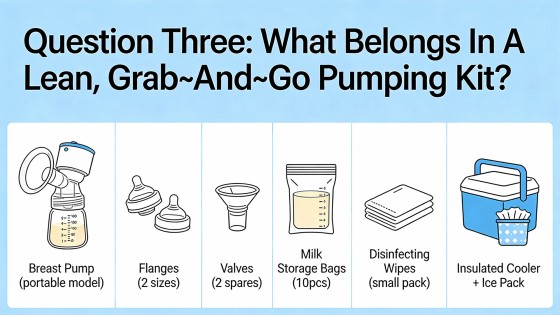
Question Three: What Belongs In A Lean, Grab‑And‑Go Pumping Kit?
Once you know which pumps you are using, the next step is building a small, thoughtful kit that can live in your bag or car. Several working‑mom focused articles and clinical guides emphasize the importance of a dedicated pumping setup so you are not reinventing the wheel every time you leave the house.
A realistic mobile kit for many parents looks something like this.
First, your portable or wearable pump, fully charged. Many portable and wearable pumps offer about three to six full sessions per charge, sometimes more if you use a charging case. One portable model highlighted in a brand comparison provided about five to six sessions per charge with strong suction; another wearable described in What to Expect delivered three twenty‑minute sessions per day for approximately five days when charged in its case. If you know your pump gives you, for example, five sessions per full battery and you expect to be away for eight hours needing three sessions, you can confidently leave the charger at home and shave a bit of weight from your bag.
Second, a way to collect and store milk. Detroit or Dallas, office or airplane, the basics are the same: flanges or cups in the right size, collection bottles or bags, and clearly labeled storage. Cleveland Clinic recommends labeling milk with the date and time after pumping and notes that milk can generally be stored in the refrigerator for up to four days and in the freezer for up to twelve months, with the first six months preferred for best quality. For a lightweight kit, many parents use storage bags instead of extra bottles. If you pump three times and collect a total of 18 ounces, that might be three 6‑ounce bags that easily fit into a small insulated pouch.
Third, cleaning supplies. Infection‑prevention guidance from Cleveland Clinic and federal health agencies stresses cleaning every pump part that touches milk after each use. In a perfect world, that means rinsing in cool water right away, washing with warm soapy water, rinsing in hot water, and letting parts air‑dry on a clean rack. For mobile moms, a realistic compromise might look like bringing enough clean sets of parts for each session and doing full washing at home, or using a combination of quick rinsing, safe wipes designed for pump parts, and a dedicated storage bag to keep used parts separate from clean ones. Sanitizing by boiling or using steam bags at least once a day is especially recommended when your baby is under two months old, born early, or has health complications.
Fourth, a truly tiny backup. This might be a manual pump or silicone collector. Several working‑mom guides, including those from pump retailers and lactation centers, recommend keeping a manual pump in your desk, glove compartment, or diaper bag. It weighs only a few ounces, costs far less than an electric pump, and turns a potential crisis into a minor annoyance if your main pump fails.
Finally, consider comfort items that make the emotional load lighter. A properly fitting nursing and pumping bra, nipple balm that is safe to leave on while pumping, a small water bottle, and something grounding to do during sessions, such as a short podcast or a photo of your baby on your cell phone, can turn a stressful break into a brief pause that nourishes you too.
One simple way to test whether your toolkit is truly “mobile” is to weigh your packed bag. If the pumps, parts, and supplies add up to more than a few pounds and feel overwhelming on your shoulder, see what can live at work instead of traveling daily or which items could be replaced with lighter versions. Sometimes swapping glass bottles for bags or leaving the full‑size pump at your office and relying on a portable pump for commute and errands can make a big difference.
Keeping Milk Supply, Safety, And Sanity Front And Center
Convenience is important, but it never sits alone. Your supply, your baby’s safety, and your mental health are always part of the equation.
Researchers at Stanford and a children’s hospital found that combining electric pumping with hand expression and breast compressions, sometimes called “hands‑on pumping,” increased both the amount of milk and the fat content in milk for mothers of very premature babies. The reason is that the thick, calorie‑dense hindmilk at the end of a feeding can be harder for a pump alone to remove, while gentle manual compression helps move it out.
For a mobile mom, this is actually encouraging news. It means that you do not always need a massive machine to optimize your milk. You can use a portable or wearable pump and add simple hand compressions toward the end of your session to potentially improve output and richness, especially if you are pumping for a baby who needs extra calories. Even thirty seconds of breast massage before and during pumping can make time feel more purposeful.
On the safety side, Cleveland Clinic, the FDA, and multiple lactation resources are clear about a few key points. First, not sharing or buying used single‑user pumps. Milk and moisture can enter the motor or tubing in many personal pumps, and even with new parts, there is a risk of transmitting viruses or bacteria. Multi‑user hospital‑grade pumps are designed differently, with closed systems and separate kits for each user, which is why hospitals and lactation centers can safely rent them out.
Second, keeping up with cleaning and sanitizing. For babies under two months, born early, or with weak immune systems, experts recommend sanitizing pump parts at least once a day by boiling or using steam, along with normal washing after every use. As babies get older and healthier, families can usually sanitize less often, but it is always worth checking with your pediatrician if you are unsure.
Third, being mindful of how you are using pumping in relation to your body image and mental health. A paper from Weill Cornell Medicine and Yale School of Medicine raises an important concern: some women with a history of eating disorders may use breastfeeding and pumping primarily as intense weight‑control strategies, because both burn calories. The authors worry that excessive pumping for weight loss, rather than for feeding the baby, could harm both physical and mental health and, by extension, the child.
That does not mean you are doing anything wrong if you notice your body changing with breastfeeding or if you feel glad that nursing helps with postpartum weight shifts. It does mean that if you catch yourself pushing through pain, skipping sleep, or clinging to a brutal pumping schedule mostly out of fear of weight gain, that is an important conversation to have with a trusted provider or therapist. Gentle parenting includes gentleness toward your own body.
On the policy side, research from Yale and others highlights that making effective pumps accessible is a matter of equity as well as convenience. Many families can obtain a pump at low or no cost through insurance because of federal health‑care rules. Plans vary, but it is worth calling to ask whether you are entitled to a manual or electric pump, whether you can upgrade to a more powerful or portable model by paying the difference, and how long a rental is covered if a hospital‑grade device is needed.
The big picture is that your toolkit should support you, not the other way around. The “right” setup is the one that lets you feed your baby the way you hope to while still living a life that feels like your own.

FAQ: Quick Answers For On‑The‑Go Pumpers
Can I rely only on a wearable pump?
Many parents successfully use wearables as their main pump once supply is established, especially for workdays and social events. However, experts quoted by Consumer Reports and The Bump note that traditional double electric or hospital‑grade pumps are usually more effective for building or increasing supply, particularly early on or during a supply dip. A balanced approach is to use a stronger plug‑in or portable double pump as your primary tool during the first weeks or whenever you need a boost, and treat the wearable as your freedom‑giving sidekick.
How often should I pump during a typical workday?
Articles aimed at working moms and lactation guidance generally suggest aiming for sessions roughly every three to four hours while you are away from your baby, which often works out to about two or three sessions in a standard eight‑hour day. Many parents pump for about fifteen to twenty minutes at a time, plus a few minutes on either side for setup, cleanup, and hand expression. The most important factor is consistency. If your baby normally nurses eight times in twenty‑four hours, trying to get close to that total number of milk removals through a combination of nursing and pumping will usually serve your supply well.
How do I keep milk safe when I am running around all day?
Cleveland Clinic and other clinical sources recommend labeling freshly pumped milk with the date and time and keeping it chilled as soon as possible. If you have access to a refrigerator, you can store milk there for up to about four days. If not, an insulated cooler bag with ice packs can keep milk cold for several hours. Once you get home, transfer it to the fridge or freezer. Try to avoid repeatedly warming and re‑cooling the same bottle, and follow your pediatrician’s advice for storage times if your baby was born early or has special health needs.
As a gentle parenting advocate and mom who has juggled pumps, laptops, and sleepy babies, I want you to hear this clearly: you do not have to choose between nourishing your baby and having a life that moves. With a thoughtful mix of a strong workhorse pump, a truly portable partner, and a few tiny backups and comforts, your mobile moms toolkit can give you pumping freedom without the bulk—and a little more space to breathe in this tender, demanding season.

