

The gaming industry stands at the precipice of a revolutionary transformation. Market analysts project that AI in gaming will reach an astounding $11.2 billion by 2030, representing unprecedented growth that signals a fundamental shift in how we play, connect, and experience digital entertainment.
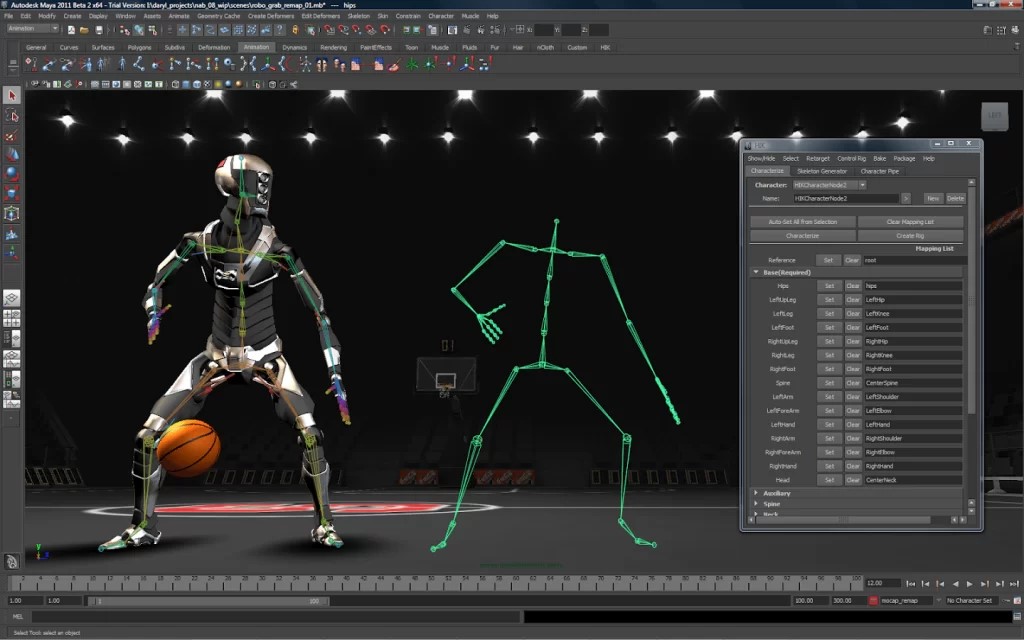
Traditional social gaming platforms once relied on basic frameworks simple matchmaking algorithms, predetermined content libraries, and one-size-fits-all approaches that treated millions of unique players as identical data points. Those days are rapidly becoming history as artificial intelligence reshapes the very foundation of interactive entertainment.
The convergence of AI and social gaming represents more than technological advancement; it embodies a complete reimagining of what multiplayer experiences can become. Modern AI systems analyze player behavior patterns, social preferences, and gaming habits in real-time, creating dynamic ecosystems that adapt, learn, and evolve with each interaction.
This transformation touches every aspect of social gaming from personalized content delivery and intelligent community building to procedural content generation and predictive player matching. The implications extend far beyond enhanced graphics or faster processing speeds; we’re witnessing the birth of truly intelligent gaming environments that understand, anticipate, and respond to individual player needs, you can read the
The Evolution of Social Gaming: From Static to Intelligent
The journey from early social games like FarmVille to contemporary AI-enhanced platforms reveals a dramatic evolution in both technology and player expectations. Early social gaming relied heavily on viral mechanics, simple reward structures, and predetermined content paths that every player experienced identically.
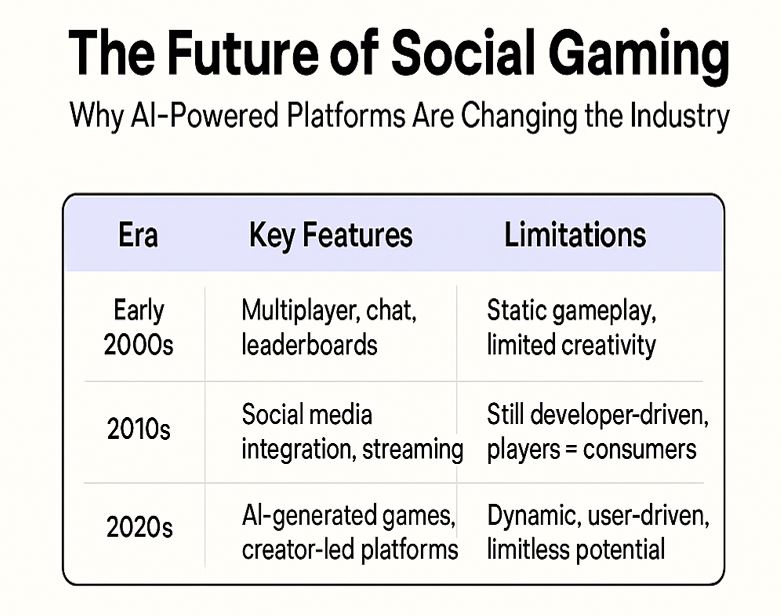
These traditional platforms operated on static frameworks. Matchmaking algorithms considered basic factors like geographic location or skill level ratings. Content delivery followed rigid schedules, with every player receiving identical updates regardless of their preferences or playing patterns. Social features remained limited to friend lists and basic messaging systems.
Modern AI-powered gaming platforms have fundamentally disrupted this approach. Machine learning algorithms now analyze thousands of data points per player session—from clicking patterns and decision-making speed to preferred game modes and social interaction styles. This granular analysis enables platforms to create truly personalized experiences that adapt continuously.
The shift from one-size-fits-all to hyper-personalized gaming represents a seismic change in game design philosophy. Instead of forcing players to adapt to predetermined systems, intelligent platforms mold themselves around individual preferences and behaviors. This transformation has created gaming experiences that feel uniquely crafted for each player while maintaining the social connections that make multiplayer gaming compelling.
Contemporary platforms like Astrocade demonstrate how AI enhancement can create more engaging and socially connected gaming experiences. By analyzing player interactions and preferences, these platforms can suggest games, match compatible players, and even generate content that resonates with specific community interests.
How AI is Personalizing the Social Gaming Experience
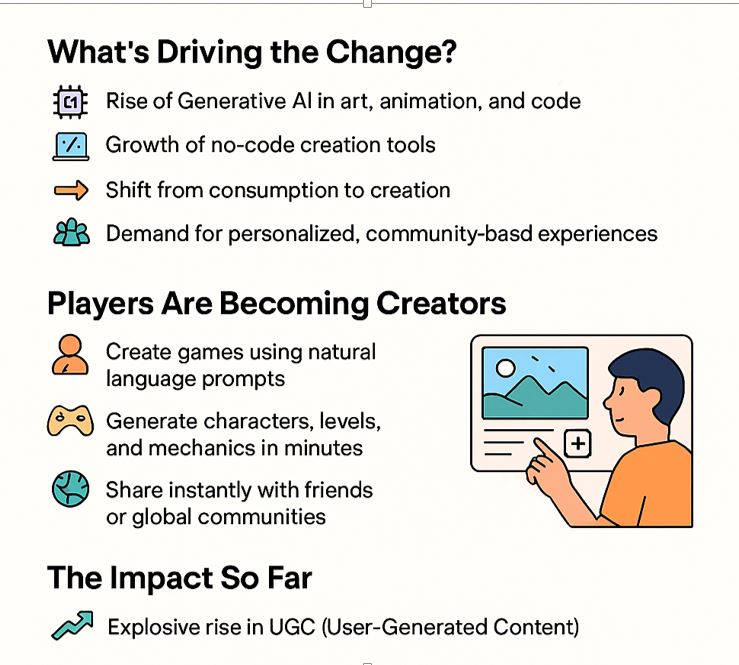
Machine learning algorithms have revolutionized how games adapt to individual players. These sophisticated systems continuously analyze gameplay data to adjust difficulty curves, content recommendations, and social interactions in real-time. The result is gaming experiences that feel personally tailored rather than generically distributed.
AI-driven recommendation systems represent one of the most visible applications of this personalization. These algorithms examine not just what games a player enjoys, but how they play them, when they prefer to engage, and which social features they utilize most frequently. This deep analysis enables platforms to suggest new games, potential friends, and gaming communities with remarkable accuracy.
Natural language processing has transformed in-game communication by creating more intuitive and safer social environments. AI systems can detect toxic behavior, facilitate positive interactions, and even suggest conversation topics that align with players’ interests. These technologies reduce harassment while promoting meaningful social connections among players.
Personalized avatar systems and character progression paths showcase another dimension of AI personalization. Machine learning algorithms analyze player preferences and suggest customization options that align with individual aesthetic tastes and gameplay styles. Some systems can even generate unique character designs based on a player’s gaming history and social interactions.
Major gaming platforms have successfully implemented these personalization features with impressive results. Steam’s recommendation engine uses collaborative filtering and content-based algorithms to suggest games, while Discord employs AI to moderate conversations and connect users with similar interests. These implementations demonstrate the practical value of AI-driven personalization in creating more engaging social gaming experiences.
AI-Generated Content: The New Creative Frontier
Procedural content generation powered by artificial intelligence has opened unprecedented possibilities for infinite gameplay experiences. These systems can create new levels, challenges, and entire game modes based on player preferences and behavior patterns, ensuring that content remains fresh and engaging over extended play sessions.
AI-driven storytelling represents a particularly exciting frontier in content generation. Advanced algorithms can craft dynamic narratives that respond to player choices, creating branching storylines that feel both coherent and personalized. These systems analyze player decisions to generate plot developments that align with individual preferences while maintaining narrative consistency.
Generative AI has also revolutionized asset creation for games. Modern systems can produce custom textures, character models, and environmental elements that match specific artistic styles or player preferences. This capability allows platforms to offer unprecedented customization options while reducing development costs and time-to-market for new content.
The relationship between AI automation and human creativity remains nuanced and collaborative rather than competitive. AI systems excel at generating variations, optimizing existing content, and creating assets based on established parameters. Human creators focus on establishing artistic vision, narrative direction, and emotional resonance—areas where human insight remains irreplaceable.
Successful implementations of AI-generated content can be found across various gaming platforms. Minecraft’s procedural world generation creates unique landscapes for every playthrough, while games like No Man’s Sky use AI to generate entire galaxies of explorable content. These examples demonstrate how AI-generated content can enhance rather than replace human creativity in game development.
Building Smarter Communities Through AI
Artificial intelligence has transformed matchmaking from simple skill-based pairing to a sophisticated compatibility analysis that considers personality traits, communication styles, and social preferences. These advanced algorithms create more harmonious gaming groups by matching players who are likely to enjoy playing together beyond mere skill levels.
AI moderation systems maintain healthy gaming environments through real-time analysis of player interactions. These systems can identify and prevent harassment, detect cheating attempts, and enforce community guidelines more consistently than human moderators alone. The result is safer, more welcoming spaces for social gaming.
Machine learning algorithms excel at identifying patterns in player behavior that indicate potential problems before they escalate. These predictive systems can flag accounts that show signs of toxic behavior, identify coordinated harassment campaigns, and detect sophisticated cheating methods that might evade traditional detection systems.
AI-powered social features help players discover like-minded communities within larger gaming ecosystems. These systems analyze player preferences, gaming habits, and social interaction patterns to suggest groups, clans, or communities where players are likely to find compatible teammates and friends.
Platforms like Astrocade demonstrate innovative approaches to AI-enhanced community building by creating intelligent matching systems that consider both gameplay preferences and social compatibility. These platforms use machine learning to analyze player interactions and suggest optimal group compositions for various gaming activities.
The Technical Infrastructure Behind AI Gaming Platforms
The technical foundation of AI-powered gaming platforms relies on sophisticated machine learning models that can process vast amounts of player data in real-time. These systems employ various AI technologies, including deep learning networks, natural language processing engines, and computer vision systems, to create responsive gaming experiences.
Cloud computing infrastructure enables the massive computational power required for real-time AI processing across millions of concurrent users. Edge processing technologies reduce latency by performing certain AI calculations closer to players, ensuring smooth gameplay experiences even with complex AI features active.
Real-time AI processing represents one of the most challenging technical aspects of intelligent gaming platforms. These systems must analyze player behavior, generate personalized content, and make matchmaking decisions within milliseconds to maintain seamless gameplay experiences.
Data privacy and ethical AI implementation have become critical considerations as gaming platforms collect and analyze increasingly detailed player information. Responsible platforms implement robust data protection measures, transparent AI decision-making processes, and user control over personal data usage.
The role of 5G connectivity and improved network infrastructure cannot be overstated in enabling sophisticated AI features. Higher bandwidth and lower latency allow for more complex AI processing, real-time content generation, and enhanced social features that were previously impossible due to technical limitations.
How AI is Changing Gaming Business Models
AI personalization has enabled new monetization strategies that create value for both players and developers. Personalized in-game offers, dynamic pricing models, and targeted content recommendations increase player satisfaction while improving revenue generation for gaming companies.
The rise of AI-driven in-game economies represents a significant shift in virtual goods markets. These systems can dynamically adjust virtual item values based on supply, demand, and individual player preferences, creating more balanced and engaging economic systems within games.
Predictive analytics help developers optimize player retention and spending patterns through intelligent analysis of behavior data. These insights enable more effective game design decisions, targeted marketing campaigns, and retention strategies that keep players engaged longer while respecting their preferences and spending comfort levels.
AI implementation has impacted traditional game development cycles by accelerating content creation, reducing testing phases, and enabling more rapid iteration on game features. This acceleration allows developers to respond more quickly to player feedback and market trends.
Market data indicates substantial revenue growth in AI-powered gaming segments, with mobile games incorporating AI features showing higher player retention rates and increased lifetime value compared to traditional implementations.
Challenges and Concerns in AI-Powered Social Gaming
Privacy concerns surrounding extensive data collection and analysis represent one of the most significant challenges facing AI-powered gaming platforms. Players increasingly demand transparency about what data is collected, how it’s used, and who has access to their gaming behavior information.
The potential for AI bias in matchmaking and content recommendation systems poses serious concerns for fair and inclusive gaming experiences. Algorithmic bias can perpetuate discrimination, create echo chambers, and limit players’ exposure to diverse gaming experiences and communities.
Concerns about addiction and manipulation through hyper-personalization have drawn attention from researchers and regulators. AI systems optimized for engagement might exploit psychological vulnerabilities, leading to excessive gaming habits or problematic spending behaviors.
Balancing AI assistance with authentic human interaction remains a delicate challenge. While AI can enhance social gaming experiences, over-reliance on algorithmic mediation might reduce the spontaneity and genuine connections that make multiplayer gaming socially valuable.
Technical challenges, including latency management, server costs, and algorithm transparency, require ongoing attention from developers and platform operators. These operational concerns directly impact player experiences and platform sustainability.
The Next Decade of AI Gaming With Astrocade
Advanced augmented reality and virtual reality integration with AI promises to create unprecedented immersive gaming experiences. These technologies will enable AI systems to analyze physical movements, facial expressions, and environmental factors to create even more personalized and responsive gaming environments. For example, a game named 6-7 game, which is a TikTok meme with this minimalist puzzle game, where simple number challenges capture the absurd fun of shouting “six seven!” Try 6-7 game on Astrocade.
Cross-platform AI-powered gaming experiences will likely become standard, allowing players to maintain consistent AI-enhanced features across different devices and gaming platforms. This integration will create seamless gaming experiences regardless of hardware or location.
New forms of collaborative and competitive gameplay enabled by AI will emerge as systems become more sophisticated at understanding group dynamics, individual strengths, and optimal team compositions. These developments will create gaming experiences that adapt to group behavior rather than individual preferences alone.
The possibility of AI becoming actual gaming companions and opponents represents an exciting frontier. Advanced AI entities could serve as persistent teammates, rivals, or guides that develop relationships with players over time, creating new categories of social gaming experiences.
Innovative AI game creation platforms like Astrocade continue pioneering next-generation gaming experiences by exploring the boundaries of AI integration in social gaming. These platforms serve as testing grounds for emerging technologies that will likely become standard features across the gaming industry.
The AI Gaming Revolution is Just Beginning
Artificial intelligence has transformed social gaming by enabling unprecedented personalization, intelligent community building, and dynamic content creation. These changes represent more than technological improvements; they completely reimagine what multiplayer gaming can accomplish.
The opportunities created by AI-powered gaming platforms extend far beyond entertainment value. These systems demonstrate how intelligent technology can enhance human social connections, create more inclusive communities, and provide personalized experiences that respect individual preferences and needs.
While challenges regarding privacy, bias, and authentic human interaction require careful attention, the potential for positive impact far outweighs these concerns. Responsible development and implementation of AI gaming technologies can create more engaging, fair, and socially valuable gaming experiences.
The gaming industry stands at the beginning of an AI-driven revolution that will continue evolving for decades to come. Players, developers, and technology companies that embrace these changes while addressing their challenges will shape the future of interactive entertainment.
Explores how Astrocade’s game creators have turned simple, repetitive tasks into engaging, meditative experiences through clever design. It frames gaming not just as entertainment but as a mindful practice, drawing on “Zen” principles, and celebrates the artistry behind these creations.

