

Before we get into the type of batteries, it is important to understand why inverter batteries are such an important matter in the first place. Well, with the growing population, the energy demands have been growing as well, but let’s face it, a lot of people face power cuts.
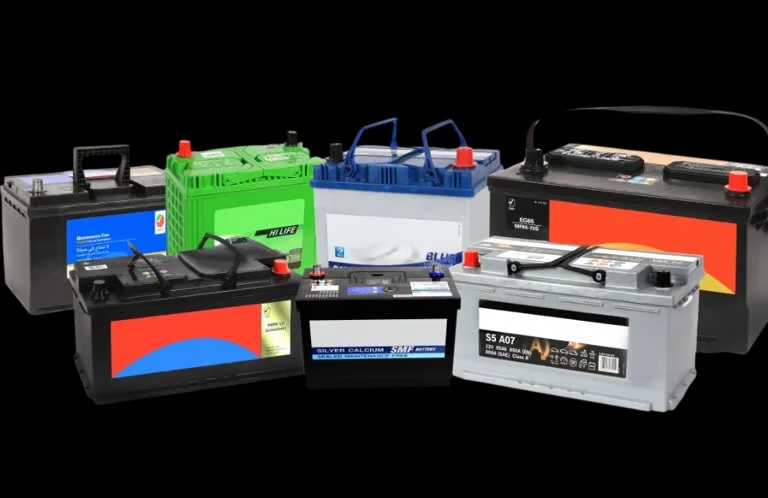
Data shows that power cuts have been on the rise each year, and this is why the urban population, which has a higher energy demand, has been shifting towards inverters. But each inverter is compatible with a specific type of battery, and even if that isn’t the case, certain batteries work better than others.
This is why in this article, we will be discussing the different types of inverter batteries and how you can pick the right one.
The Two Big Families of Inverter Batteries
The reality is, there are a lot of types of inverter batteries, but they all fall under one of the two categories: Lead-acid or Lithium Ion. These two inverter batteries are what most inverter setups use. Several types exist within lead-acid batteries themselves. Several sub-types exist for different installation constraints, cycle depth needs, and budgets.
However, there is objectively no “better” battery among all of these; every battery depends on the different budgets, needs, usages, etc. These batteries depend on the situation and what your usage patterns are: short outages, long blackouts, solar use, etc.
Now that you understand this, let’s look into the different types of batteries in an inverter.
Lead-Acid Flat Plate Batteries
This is the basic entry-level battery that most first-time inverter buyers consider. This is because it works as a Flat electrode submerged in a liquid electrolyte; compact, simple construction. They work best with small, compact homes that don’t have a high energy requirement, while also somewhere the budget is tight, and maintenance isn’t a big issue.
Let’s now have a look at the pros and cons
| Pros | Cons |
| Fast charging compared to most tubular batteries. | Not built for deep or heavy cycling. |
| Easiest on the pocket, usually the most affordable option. | Typically lasts only about 1–3+ years, depending on care and usage. |
| Compact and easy to fit in smaller spaces. | Needs regular distilled-water top-ups and careful maintenance to avoid sulphation. |
Tall Tubular Lead-Acid Batteries
If you’re someone who is seeking a longer duration, these tall tubular lead-acid batteries are the best. They work better because they use tubular positive plates instead of flat ones, which hold active material in a lattice structure, reducing shedding and improving cycle life. These are the best for you if you live in a house that faces frequent power cuts or small offices. And also, systems where deep discharges are pretty common, they work well too.
Let’s now take a look at the pros and cons.
| Pros | Cons |
| Long lifespan, often 4–6 years with proper maintenance. | Higher upfront cost compared to basic battery types. |
| Gives longer backup thanks to strong deep-cycle durability. | The taller design doesn’t fit all trolleys or compact cabinets. |
| Stays consistent in performance over the years. | Usually charges more slowly than flat plate batteries. |
Short Tubular & Short Tubular Jumbo Batteries
Just because space is tight, doesn’t mean you have to compromise on getting an inverter; these short tubular and short tubular jumbo batteries are perfect for your house. These work in a rather fascinating way. These batteries use tubular plate construction similar to tall tubular models but in a shorter, wider footprint. The “Jumbo” variants maximise plate volume for higher backup in the same height-restricted format. If you’re someone who seeks the usage of tall-tubular models without the space they consume, these are your go-to choice.
Let’s now take a look at the pros and cons:
| Pros | Cons |
| Offer backup performance close to tall tubular batteries. | May have slightly lower Ah ratings at similar price points. |
| Fit easily in height-restricted spaces where tall batteries won’t work. | A wider footprint may need more floor space. |
Solar Tubular Inverter Batteries
If you’ve taken the government’s appeal and have installed solar panels in your house, chances are that you would prefer a solar tubular inverter battery. These batteries are rated for c-10, which makes them a perfect addition for solar panels as they are optimised for slower, consistent discharge patterns typical of solar hybrid setups. They can handle daily cycling far better than most other inverter batteries. If you have a rooftop solar home and want to use that space to see a 0 on your electricity bill, this inverter battery seems to be the perfect choice for you.
Let’s now take a look at the pros and cons:
| Pros | Cons |
| Deliver strong performance across hundreds to thousands of cycles. | Cost is more upfront because of deep-cycle construction. |
| Need less maintenance and often last longer when used with a solar-compatible inverter. | Must be paired with a solar-ready inverter for safe and efficient operation. |
| Handle fluctuating solar charging patterns well, even on cloudy days. | Not ideal for setups without solar integration. |
Lithium-Ion (LFP) Inverter–Battery Systems
This is the second type of battery, completely different from lead-acid types, as these inverter batteries use lithium as their cathode and anode. They are typically sold as a combined unit: inverter + battery + BMS (battery management system). They use lithium ion phosphate (LFP) chemistry, known for thermal stability and long cycle life.
They’re a bit higher on the cost, which is because they have appeal among the premium user segment who don’t have time for maintenance, like it’s needed with lead acid batteries. It works best with houses where frequent, long-duration cycling would quickly wear out lead-acid batteries.
Let’s now take a look at the pros and cons:
| Pros | Cons |
| Can last up to six times longer than standard lead-acid batteries. | Higher upfront price tag. |
| Charge much faster — often about 2× quicker. | Harder to mix-and-match with older or standalone inverters unless the system is built for it. |
| Zero maintenance: no water top-ups, no fumes, no corrosion issues. | Backup time depends on the built-in battery size, which may be smaller than big tubular batteries. |
Conclusion
Lead-acid batteries remain the backbone of most inverter systems, as they’re easily available and more budget-friendly. However, investing in lithium-ion batteries is an upfront cost that saves you money in the long run. In the end, it depends on your needs and wants and how you want to proceed.

