

Cold in a blind arrives from the ground up, through the seat, and it is worse at four in the afternoon than at dawn. Warmth there is mostly layers, partly watts, and never a single decision. A heater bought for the wrong reason empties a 2kWh station in four hours, which is shorter than the sit it was meant to cover, and that is the arithmetic most people get wrong. What keeps a hunter comfortable is a stack of small measures rather than one big one, and the order matters as much as the gear. This article sets out what each source of heat costs, where a heater can safely go, and what works when the battery is flat.
What Heat Costs in Watts
Wattage by Heater Type
A small ceramic fan heater draws 400 to 750W on low, a radiant panel 200 to 400W, and an electric blanket under 100W. The blanket is the most efficient warmth per watt because it heats the person rather than the air, and a radiant panel at 250W heats an object rather than a volume, which suits a blind better than a fan. The wattage is always printed on a label on the back of the unit, and it is worth halving whatever that label suggests. The label is the starting point, not the answer. A page titled when is pennsylvania deer season your guide will tell you how cold the season gets, which is the number that decides between those three.
Battery Capacity for a Full Sit
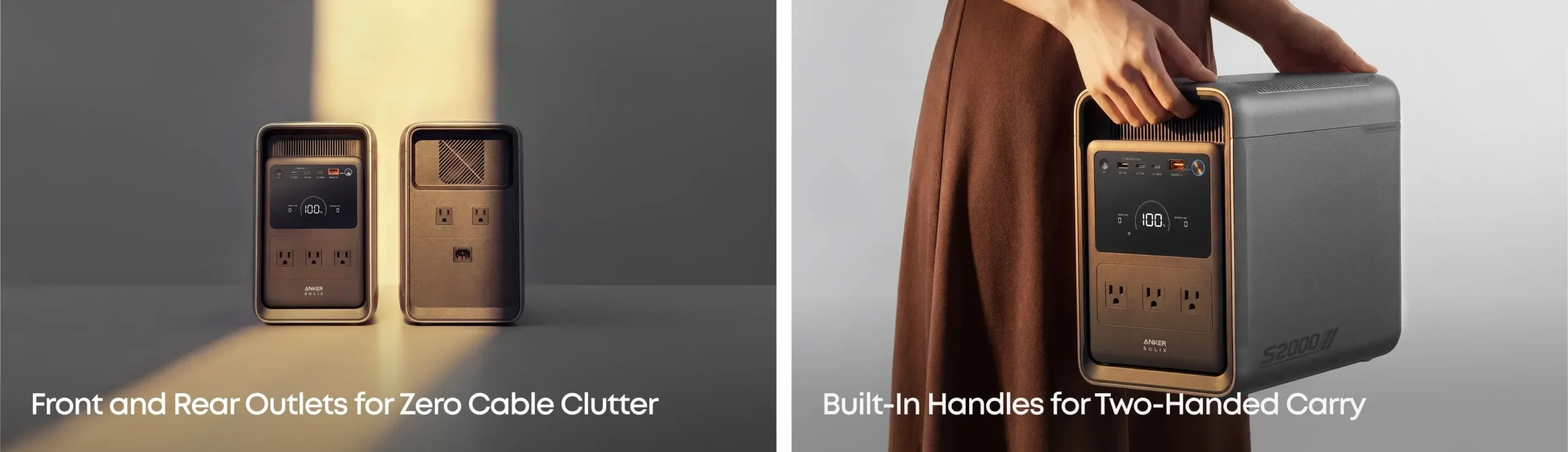
Four hours at 500W is 2kWh, and a blanket at 80W for the same four hours is 320Wh, which is the comparison in one line. Write the sum down before the season: watts times hours, divided by usable capacity, and halve it again for the cold. That arithmetic is how a station gets chosen, and it is why experienced hunters heat themselves rather than the blind. An Anker SOLIX S2000 holds 2,010Wh, which covers four hours of a 500W heater or a week of sits on an 80W blanket, so the same pack keeps working whether the plan is heat or layers. The comparison matters more than the capacity, because a heater spends a battery faster than anything else. Two chairs and one heater is a worse plan than one chair and one blanket.
Where to Put the Heat
Clearance From Fabric and Gear
Keep a metre between any heater and the fabric of the blind, and never drape a jacket over one to dry. A radiant panel needs clearance in front as well as behind, so in a small blind the corner is the only place it fits. A fan heater on the floor will melt a patch of snow and leave the seat cold, so aim it at the seat, and keep the unit behind you where the fabric is furthest away. Clearance is measured in every direction, and a blind that is too small for a heater is a blind that needs a blanket.
Ventilation and Carbon Monoxide
Electric heat produces no fumes, which is its main advantage in a closed space. Fuel-burning heaters do, and a blind is a small sealed box, so a catalytic or propane unit needs a vent open and a carbon monoxide alarm the size of a matchbox. Never run one with the windows zipped shut, even briefly, and never sleep with one lit. No amount of warmth is worth a headache that turns into something worse. A matchbox alarm costs very little and removes the only real risk in a sealed space. A sealed blind with a lit heater is the one combination that goes wrong quickly.
Warmth Without Power
Layering and Insulation
Most of the comfort in a blind comes from what you wear and what you sit on. A closed-cell pad under the seat stops heat draining into the ground, and a windproof outer layer does more than a heater at the same cost. Two pairs of socks and a hat keep working for the whole sit rather than the first hour, and boots on a mat make a difference you can feel within ten minutes. Windproof beats thick. The ground is the biggest heat sink in the blind, and it is the one nobody thinks about. Wind is the variable that matters most, and the one people dress for last. A thermos in the pack is a heater with no wattage and no failure mode.
Chemical and Battery Warmers
Air-activated warmers are cheap, light and silent, and they last most of a sit. Rechargeable hand warmers are better over a season and can be topped up from the same station that charges the phone. A thermos of hot liquid is the cheapest heater in the blind and the only one that cannot fail, and it works when the battery does not. Between the three, powered heat becomes optional rather than essential. Two silent warmers and a thermos cover most of a cold sit without touching the battery, and neither has a state of charge to watch. A box of ten costs less than one rechargeable warmer and lives in the blind all season. A wide mouth flask keeps the tea hot until the walk back, which is the part that hurts.
Conclusion
Heat in a blind works when the load, the clearance and the backup plan are settled first. The battery is for the things that cannot be done any other way, and warmth is rarely one of them. The fallback is a thermos and a spare layer, and it is worth more than another hundred watts. Warmth is a matter of layers and patience long before it is a matter of watts. A thermos, a spare layer and a pad under the seat will outlast most batteries on a cold sit, and none of them can fail.

