

Off-grid kits charge effectively when panels receive sunlight and the system converts that energy with minimal losses. Panel direction, tilt, cleanliness, wiring, controller settings, and battery configuration all affect how much power reaches storage. Adjustments matter during winter days or cloudy periods. Start by improving panel exposure, then maintain the hardware and follow the battery manufacturer’s charging specifications.

Optimize Solar Panel Placement and Angle
Choose the Best Direction for Maximum Sunlight
In the Northern Hemisphere, true south panels catch the maximum energy; in the Southern, true north. A clear passage across the sun’s daily arc is best, although roof arrangement, geography, and seasonal usage may vary it. Remember that a compass points magnetic north, not true north. Choose constant exposure over a noon peak for year-round cabin usage.
Adjust Panel Tilt for Seasonal Sun Angles
Panel tilt affects how directly sunlight strikes the cells. A steeper angle often helps capture lower winter sun, while a shallower angle suits higher summer sun. For a fixed array, choose a compromise based on when energy demand is greatest. Adjustable mounts allow seasonal changes, but follow installation instructions and secure panels before working. Small corrections help most when the array has clear exposure and daylight is limited each day.
Avoid Shading From Trees, Roofs, and Buildings
Shade from branches, chimneys, roof edges, poles, or nearby buildings can reduce output more than the shaded area suggests. Observe the site in the morning, near noon, and late afternoon, then repeat checks as the sun’s path changes seasonally. Trim vegetation only where safe and permitted, or reposition the array to avoid recurring shadows. If shading remains, ask an installer whether panel-level electronics or a revised string layout could reduce its effect on charging performance.
Keep Solar Panels Clean and Well Maintained
Remove Dust, Pollen, Leaves, and Bird Droppings
Bird droppings, dust, pollen, and leaves obstruct sunlight and diminish array output. Check panels after dry, stormy, or pollen-filled seasons. Follow the manufacturer’s cleaning instructions—cool water and a soft, nonabrasive brush or cloth usually work. Do not use abrasive pads, strong chemicals, or cold water on heated glass. To avoid heat shock, clean from a steady posture, never tread on panels, and operate while modules are cold.
Inspect Cables, Connectors, and Mounting Hardware
Inspect cables for cracked insulation, abrasion, loose routing, or animal damage. Connectors should be seated, dry, and free of corrosion; never disconnect live solar connectors under load unless the manual permits it. Check mounts for looseness, rust, or movement after winds. Isolate the system as directed before servicing, and leave damaged wiring or electrical faults to a qualified technician. Sound connections and mounts help prevent energy loss and safety hazards.
Identify Physical Damage and Performance Declines
Cracked glass, delamination, backsheet damage, corrosion, and burn marks all reduce productivity and jeopardize safety. Instead of one gloomy afternoon, compare charge statistics across clear days. A quick decline may indicate shading, loose connections, controller alarms, or battery settings, not a damaged panel. Record readings and review the handbook before troubleshooting. If damage is obvious or output is unexpectedly low, stop using the equipment and have a professional check.
Improve Charging Efficiency With the Right Equipment
Use an MPPT Charge Controller for Better Energy Harvesting
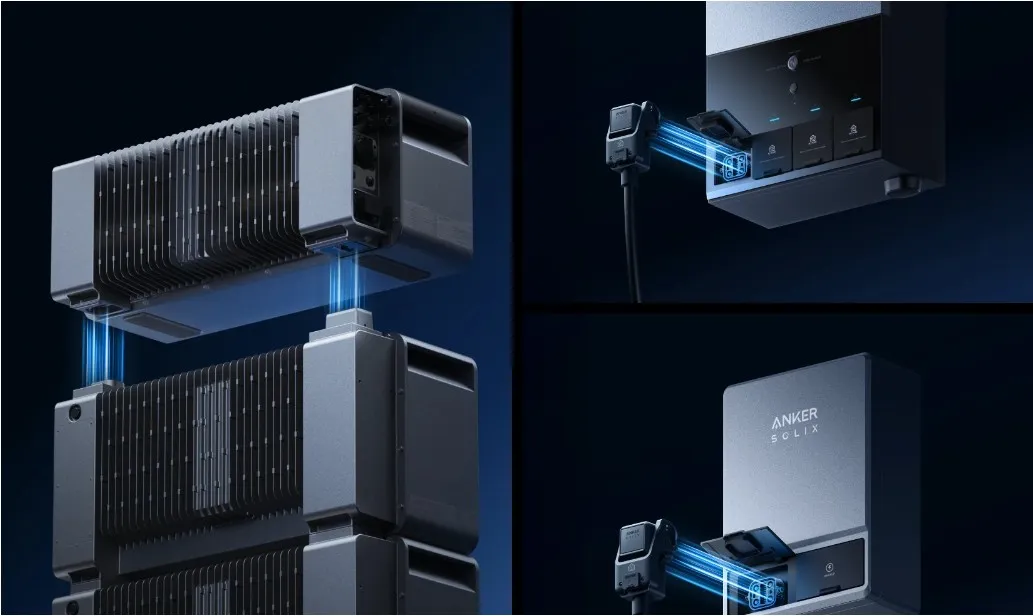
A maximum power point tracking (MPPT) controller adjusts a solar array’s operating point as sunlight and panel temperature change, helping the system harvest available energy more efficiently. Before choosing a controller, check its voltage, current, and power limits against your planned solar array. The Anker E10 Off-Grid Kit offers 9 to 27 kW solar input configurations. Matching the array to the selected configuration helps ensure the system can accept the solar power you intend to generate.
Match Solar Panel Voltage to Your Charging System
Before attaching panels, verify solar input voltage and current. Series wiring increases voltage, while parallel wiring increases current, but both must remain within equipment constraints, including cold-weather panels’ greater open-circuit voltage. Count modules per string using panel specs. The controller works well and avoids overvoltage damage with proper voltage matching. Not all panels with similar wattage are electrically interchangeable.
Reduce Cable Losses With Proper Wire Sizing
Heat and low voltage from long or inadequate wires lose energy at the controller or battery under load. Based on current, cable distance, system voltage, installation circumstances, and manufacturer or electrical code voltage-drop limit, choose wire gauge. Shorten runs, use outdoor-rated wire, and shield wiring from moisture, abrasion, and sunlight. Also important are secure connections and terminations. Ask a professional installer to size conductors if calculations are confusing.
Optimize Battery Settings and Energy Consumption
Configure Battery Charging Settings Correctly
Set battery chemistry, charging voltage, current limits, and temperature protections as the manufacturer directs. Lithium and lead-acid batteries use different profiles, and incorrect settings may damage equipment. Enable temperature compensation only when the battery type and manual call for it, and check low-temperature restrictions. The same settings matter for a battery backup for home system, so follow its charging profile.
Schedule High-Energy Tasks During Peak Sunlight
Run energy-intensive tasks—such as pumping water, charging tool batteries, or using workshop equipment—when solar production is strongest. The array can then supply more of the load, reducing battery draw. Use monitoring to learn when output peaks, and shift flexible tasks around weather and daylight. Keep essential loads running as needed; scheduling helps use surplus energy without compromising safety or comfort.
Reduce Standby Loads and Unnecessary Power Use
Devices like routers, chargers, monitors, and inverter accessories may use standby power. Turn off unnecessary equipment, check standby consumption, and use energy-efficient lights and appliances. Critical communications and monitoring equipment should not be cycled. Review data to detect loads, then decrease or schedule. Lower demand saves energy during nights and weak-sun times.
Conclusion
Improve solar charging with clear sunlight, a suitable panel angle, and clean, undamaged equipment. Correct controller settings, compatible panel voltage, and properly sized cables help energy reach the battery safely. Follow the battery manual and move flexible tasks into sunny hours to limit unnecessary battery use. Regular checks and realistic energy habits help an off-grid kit recharge reliably through changing seasons and variable weather conditions.

