

The roofing industry has experienced significant growth over the past few years, positioning itself as a vital component within the broader construction field. This expansion is fueled by a variety of factors, including the rising demand for home renovations and new installations, all of which roofing businesses have expertly tapped into. Given this backdrop, the following article provides a comprehensive exploration into the elements driving the swift growth of the roofing industry, accentuated by industry facts and insights.
The Dominance of Replacement Roofing Projects
In recent years, the roofing sector has exhibited a noticeable orientation towards replacement projects. Data from Mordor Intelligence indicates that by 2024, replacement roofing projects are anticipated to constitute roughly 82.3% of the market size in the United States, with new roof installations comprising the remainder. This shift underscores a prevalent trend among homeowners, who are increasingly prioritizing the enhancement of their existing roofs.
Homeowners’ focus on replacement roofing projects stems from their growing awareness of the long-term advantages of maintaining their properties. Consequently, many roofing businesses have honed their expertise in delivering excellent services in this sector. Achieving efficiency and ensuring top-quality workmanship have emerged as the key characteristics that set successful roofing companies apart.
This uptick in demand for replacement projects has stimulated a wave of innovation within the industry. Roofing businesses are progressively embracing sustainable and durable materials, which suggests that the industry’s future may largely hinge on the groundbreaking development and implementation of high-performance materials tailored to meet replacement needs.
Emerging Trends in Roofing Material Manufacturing
Another pivotal trend augmenting the growth of roofing businesses is the evolution of roofing materials. Notably, the sheet-metal roofing manufacturing market in the United States witnessed a valuation of $1.2 billion in 2022, as reported by IBIS World. This burgeoning market illustrates a growing inclination towards metallic roofing solutions among both contractors and homeowners.
The burgeoning interest in sheet-metal roofing is largely attributable to its inherent benefits, including robust durability and distinct aesthetic appeal. Homeowners are particularly drawn to the longevity and energy efficiency offered by these materials. Consequently, numerous roofing businesses have expanded their range of services to encompass sheet-metal roofing installations, thereby accelerating further growth within the industry.
The advancements made in roofing materials have also spurred companies to explore eco-friendly alternatives. Sustainability has developed into a core facet of the roofing industry, with businesses earnestly pursuing green practices that align with both customer expectations and environmental standards. This steadfast dedication to sustainability is expected to catalyze continued growth within the roofing sector.
The Workforce Behind Successful Roofing Businesses
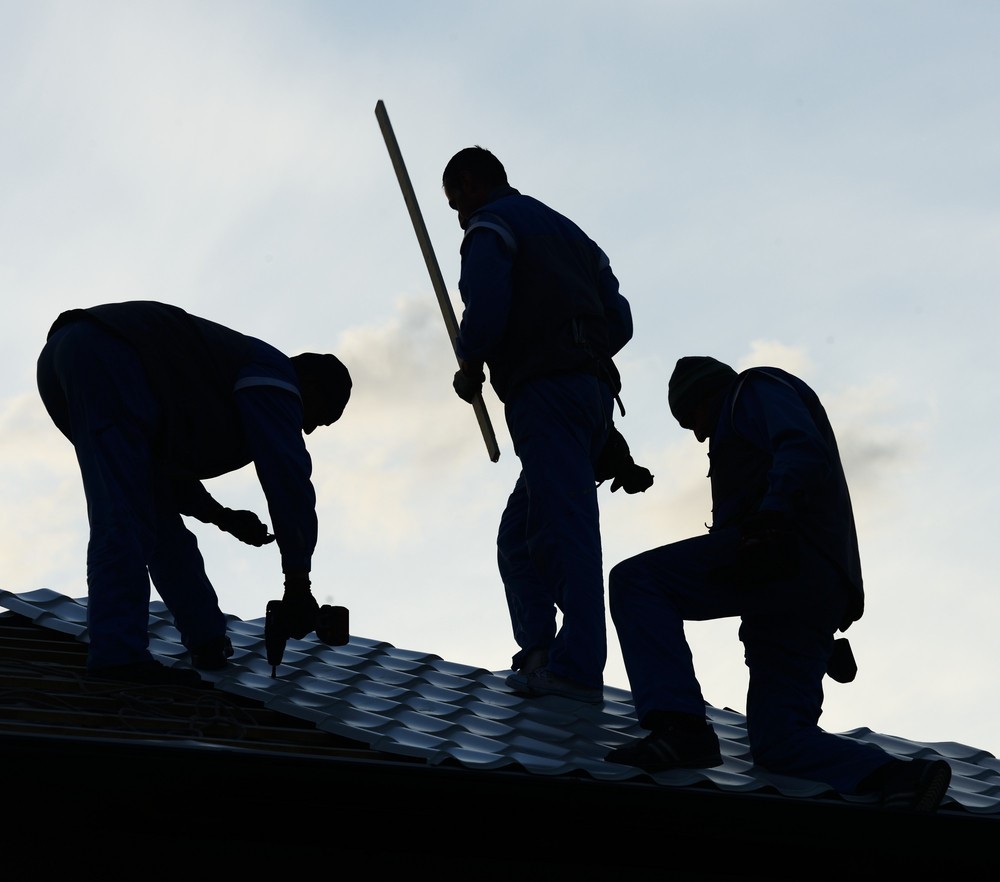
A company’s workforce is an invaluable asset within the realm of roofing businesses, where the average company employs at least three workers, according to This Old House. Skilled employees are the bedrock of any roofing enterprise, directly contributing to its operational efficiency and the establishment of its reputation. Ensuring proper training and implementing rigorous safety protocols are essential measures for upholding high standards across the industry.
Employees play a fundamental role in fostering customer trust, achieved through their professional interaction and consistent quality workmanship. As roofing projects become increasingly complex and widespread, the demand for skilled labor has surged. Consequently, roofing businesses are investing more extensively in workforce development to ensure they are well-equipped to address the nuanced demands of contemporary roofing solutions.
This reliance on skilled labor underscores the imperative for roofing businesses to stay competitive and adaptable. Such adaptability, complemented by strategic investments in employee training and development, is crucial for ensuring sustainability and success in an ever-evolving market. Ultimately, a strong and competent workforce remains a cornerstone of thriving roofing enterprises.
The impressive growth observed in roofing businesses can be attributed to the escalating demand for replacement projects, the continuous innovations in material manufacturing, and the presence of a skilled workforce. As the industry continues to evolve and innovate, companies that prioritize sustainable practices and invest in workforce development are positioned to lead the charge forward. Beyond just providing employment opportunities, the roofing business makes a significant contribution to the overall construction industry, solidifying its role as a pivotal business sector in today’s economic landscape.

