

Social Security Disability presents a complex reality for many individuals who rely on these benefits to support their daily lives. With the evolving landscape of technology, many tools and innovations have become a crucial part of managing disabilities. Devices designed for accessibility, apps for health tracking, and communication aids have changed the way people with disabilities engage with the world. Technology brings opportunities for independence and connection that were harder to achieve in the past.
The relationship between technology and social security disability extends beyond convenience. It affects the process of accessing services and benefits. Online portals and digital submissions have made it possible for many to handle claims without visiting offices in person. These advancements reduce physical barriers and open new doors for those who face mobility challenges or live far from support centers. However, not every tech solution is perfect, and some still require improvements to ensure equal access.
In addition to improving accessibility, technology also offers a sense of empowerment. Many users feel more in control of their health and daily routines through these tools. The ability to monitor symptoms, communicate needs, and access information without outside assistance fosters confidence. This empowerment often translates to better mental health outcomes, which is a crucial part of overall well-being for those on social security disability. The ongoing integration of technology into daily life reflects a growing recognition of its importance in supporting these individuals.
The Role of Social Security Disability in a Digital World
According to DW SSD Lawyers, Social Security Disability programs serve as a vital support system, yet many find navigating the requirements challenging. The increase in digital services has made some tasks easier but also introduces new difficulties for people unfamiliar with technology. This digital shift requires an ongoing effort to make systems user-friendly and inclusive for all users, regardless of their technical skill.
Besides the administrative side, technology impacts the daily life of people receiving social security disability benefits. Assistive technologies, such as screen readers and voice-activated devices, enable users to complete tasks independently. From managing appointments to maintaining social connections, these tools help bridge gaps caused by physical or cognitive limitations. As technology continues to grow, its role in supporting these individuals remains essential and increasingly sophisticated.
This growing reliance on digital tools also highlights the need for education and support. Many individuals receiving social security disability may not have had prior experience with technology or may face cognitive challenges that make learning new tools difficult. Community programs, caregiver support, and accessible training resources play a critical role in helping users fully benefit from these advances. By addressing these educational gaps, the social security system can help reduce frustration and improve the overall experience for its users.
Devices Changing Lives for Those with Disabilities
The innovation in technology has brought many specialized devices tailored to assist people with disabilities. For example, wearable tech helps monitor health metrics, alerting users to potential issues before they become emergencies. Communication devices have advanced, allowing individuals with speech impairments to express themselves clearly and participate actively in conversations.
Moreover, smart home technologies are becoming more accessible, enabling people with disabilities to control their environment more easily. From adjusting lighting and temperature to operating doors and windows, these systems contribute to a more comfortable and safe living space. These improvements show how technology is not just about convenience but also about improving quality of life and personal freedom.
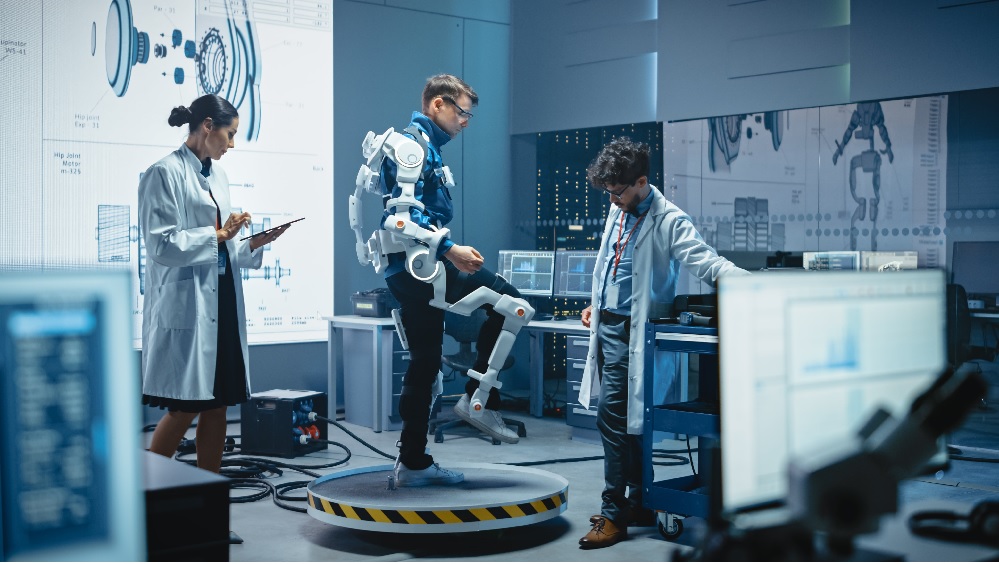
Beyond these devices, ongoing research and development continue to push the boundaries of what technology can do. Innovations in robotics, prosthetics, and even brain-computer interfaces are beginning to offer new possibilities for mobility and interaction. While some of these technologies are still emerging, their future impact on the lives of people with disabilities could be profound. Staying informed about these advancements helps individuals and caregivers make choices that best suit their needs and aspirations.
Overcoming Barriers with Tech Solutions
Even with many new tools available, challenges remain. Not all individuals have equal access to technology due to cost, training, or availability. This gap creates disparities in how people with disabilities can benefit from technological advances. Organizations and communities are working to close these gaps through education programs and affordable device initiatives.
Another barrier lies in the design of technology itself. Many mainstream products do not consider the needs of people with disabilities during development. Inclusive design principles are growing in importance, emphasizing usability for diverse users. When technology is built with accessibility in mind, it benefits everyone, not just those with disabilities. Ongoing feedback and participation from the disability community help shape better products and services.
Financial limitations also pose a significant hurdle. The high cost of specialized devices can prevent many from accessing the technology they need. Insurance coverage and government assistance programs vary, often leaving gaps that individuals must fill themselves. Advocacy for better funding and subsidies is crucial to ensuring more equitable access. Addressing these economic factors is as important as technological innovation when aiming to improve quality of life.
The Future of Social Security Disability and Technology
Looking ahead, technology will continue to play a significant role in how social security disability benefits are administered and experienced. Artificial intelligence and machine learning offer potential to streamline processes, making it faster and easier for applicants to receive assistance. Virtual reality and other emerging tools might open new avenues for therapy and rehabilitation.
As the digital landscape evolves, it is vital to keep focusing on inclusivity. Advancements must go hand in hand with efforts to educate users and make technology affordable and accessible. The collaboration between technology developers, service providers, and the disability community will shape a future where support systems and daily living are increasingly connected and manageable.
The promise of emerging technologies brings hope but also responsibility. Ensuring that these advances do not leave anyone behind will require ongoing attention to ethical and practical concerns. Transparency in how algorithms are used, privacy protection, and user-centered design must be priorities. By fostering a culture that values inclusion and respect, the future of social security disability and technology can be one of real progress for all.
Closing Thoughts on Technology and Disability
Technology has transformed many aspects of life for those with social security disability, offering tools that foster independence and ease challenges. While it is not a complete solution, its role is undeniable in helping people maintain dignity and control. Continued innovation paired with inclusive design and education can further enhance these benefits.
Keeping the human experience at the center of technological growth is essential. Listening to the voices of those affected ensures that advancements meet real needs. As technology and social security disability support systems grow closer, the potential for improving lives is immense, promising a future where challenges are met with new possibilities and hope.
At the heart of this ongoing evolution is the recognition that technology is a means, not an end. It must support real people with diverse experiences, backgrounds, and goals. Embracing this perspective encourages the development of solutions that respect individuality and promote equity. In doing so, the connection between social security disability and technology will continue to strengthen, creating pathways to fuller, richer lives.

