

When shopping for an electric bike, it’s easy to be drawn to the numbers on a product page: higher motor power, larger battery capacity, and longer advertised range all seem to suggest a better bike. But these specifications don’t tell the whole story. How a motor delivers power, how the battery affects riding range, and how the frame accommodates different riding needs are often more important than any single headline figure. Understanding how these technologies work together makes it easier to determine whether an e-bike is actually suited to your needs.

Motor Specifications Go Beyond Power: Torque and Pedal Assistance Matter Too
Motor power is usually one of the first specifications buyers look at when comparing electric bikes, but wattage alone doesn’t tell you how a bike will perform.
The first distinction to understand is rated power versus peak power. Rated power refers to the motor’s continuous output under specified conditions, while peak power represents the higher output it can reach for short periods. These figures describe different aspects of performance, so peak wattage shouldn’t be used as a direct substitute for rated power when comparing two bikes.
Torque is another important specification, typically measured in Newton-meters (Nm). It describes the rotational force produced by the motor and is particularly relevant when starting from a stop, climbing hills, or riding with additional weight. However, actual riding performance also depends on factors such as gearing, wheel size, total bike weight, and the motor control system.
The pedal-assist sensor also influences how an e-bike feels to ride. Cadence sensors primarily detect pedaling movement and activate assistance accordingly. Torque sensors, on the other hand, measure how much force the rider applies to the pedals, allowing motor assistance to respond more directly to pedaling effort.
Rather than simply looking for the motor with the highest numbers, buyers should consider whether its power delivery matches their riding habits and intended use.
Battery Capacity and Real-World Range: Why Advertised Miles Don’t Tell the Whole Story
The battery is one of the most important components determining how far an electric bike can travel, but comparing batteries by amp-hours (Ah) alone isn’t enough.
Battery voltage (V) and capacity (Ah) together determine its energy capacity, which is generally expressed in watt-hours (Wh). The calculation is straightforward:
[Wh=V\times Ah]
For example, a 48V, 20Ah battery has a nominal energy capacity of 960Wh. This figure makes it easier to compare different combinations of voltage and capacity than looking at amp-hours alone.
However, battery capacity doesn’t directly translate into a fixed riding distance. Two electric bikes with identical battery capacities can deliver noticeably different ranges under different riding conditions.
Several factors influence real-world range:
- Assistance level: Higher assistance settings generally consume more battery power.
- Rider and cargo weight: Additional weight increases the workload on the motor.
- Route elevation: Continuous climbing typically uses more energy than riding on flat roads.
- Tires and tire pressure: Different tire designs and pressure levels affect rolling resistance.
- Weather and temperature: Cold conditions can affect the battery’s available performance.
Removable batteries are also worth considering, particularly for people living in apartments or homes without a dedicated garage. Depending on the bike’s design, riders can remove the battery and charge it separately without having to bring the entire bike close to a power outlet.
When comparing different e-bikes for sale, it’s worth looking at watt-hour capacity, charging arrangements, and the conditions behind advertised range figures rather than making a decision based solely on the maximum mileage shown on a product page.
Frame Design Is Also an Important Part of E-Bike Technology
Electric bike technology isn’t limited to motors and batteries. Frame geometry also influences how riders mount and dismount, their riding position, and the bike’s everyday practicality.
Traditional high-step frames retain the familiar top-tube structure found on conventional bicycles. Riders need to lift a leg over the top tube when getting on or off the bike. This design feels natural to many experienced cyclists, but it may be less convenient for riders who make frequent stops or prefer not to lift their leg as high.
Step-through frames use a lowered top tube or an open-frame structure to reduce the amount of leg movement required when mounting and dismounting.
This design has practical applications in urban riding. For example, someone who regularly stops at several locations throughout the day may value easier mounting and dismounting just as much as the bike’s appearance or individual specifications.
That’s one reason step-through electric bikes deserve consideration as a separate frame category.
However, a step-through design doesn’t necessarily mean a bike is lighter, nor does it eliminate the need for proper sizing. Recommended rider height, saddle adjustment range, handlebar reach, and riding position should still be considered.
The right frame is ultimately the one that suits the rider’s physical requirements and everyday habits, rather than one that is automatically better than every alternative.
The Real Value of a Folding Frame Goes Beyond Convenient Storage
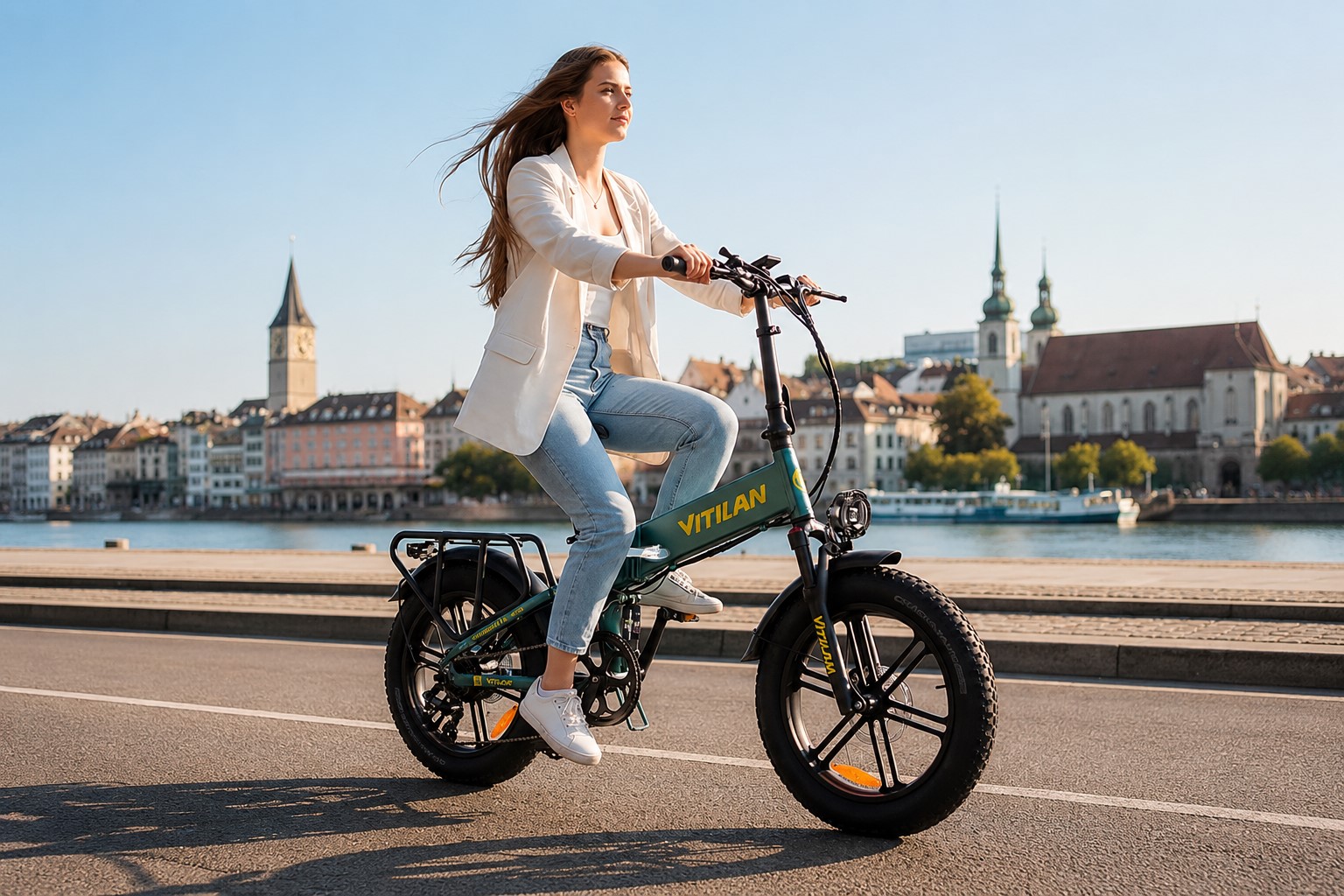
A folding frame addresses the space required to store and transport a bike, but there’s another practical consideration that’s easy to overlook: a smaller folded size doesn’t necessarily mean a lighter bike.
For people with limited storage space, a folding electric bike can take up less room at home or in a garage. If its folded dimensions fit the available space in a vehicle’s trunk, it may also offer more flexibility when planning weekend trips.
Before purchasing, however, three factors deserve attention.
- Actual folded dimensions
Don’t focus only on wheel size or whether the frame folds. Check the bike’s folded length, width, and height, then compare those measurements with your available storage space or vehicle trunk opening.
- Total bike weight
Folding reduces the space a bike occupies, but it doesn’t automatically make the bike lighter. If you regularly need to carry it up stairs, weight may be more important than folded dimensions.
- Convenience of the folding mechanism
Consider how easily the bike folds and unfolds, whether the locking mechanism feels secure, and how manageable the bike is once folded.
The VITILAN V7 provides a useful example of these design trade-offs. It features a folding frame, with officially listed folded dimensions of approximately 98 × 56 × 80 cm (38.6 × 22 × 31.5 inches) and a total weight of around 35.4 kg (78 lbs).
These figures highlight an important distinction: the V7 can take up less storage space when folded, but at 78 lbs, it’s not a practical choice for riders who frequently need to carry their bike upstairs by hand. Its folding design makes more sense for reducing storage requirements at home or in a garage, or for loading it into a larger vehicle after checking the available space and handling requirements.
For buyers considering this type of bike, VITILAN offers a model worth exploring. The important question isn’t simply whether a bike can fold, but whether its folded dimensions and overall weight fit the way you actually plan to use it.
What Else Should You Check Before Buying an Electric Bike?
Beyond the motor, battery, and frame, several less obvious components can influence the long-term ownership experience.
Braking systems are a good starting point. Total bike weight, riding speed, and intended riding conditions all affect braking requirements. Buyers should understand the braking system fitted to a particular model rather than focusing only on whether it advertises hydraulic brakes.
Tire specifications matter too. Tire width, tread design, and inflation pressure influence rolling resistance, surface compatibility, and overall riding feel. Someone who mainly rides on paved roads may have different priorities from someone who regularly encounters gravel or uneven surfaces.
Other details worth checking include:
- Display and controller: Are the information and assistance settings clear and easy to operate?
- Battery maintenance: Are the charging port, removal process, and replacement options convenient?
- Component availability: Are commonly replaced parts and wear items easy to obtain?
- Warranty and after-sales support: Are the warranty coverage and repair options clearly explained?
These details may not attract as much attention as motor wattage or battery capacity, but they can make a significant difference to long-term ownership.
Ultimately, the value of an electric bike depends on how well its motor, battery, frame, and other components work together. Rather than chasing the highest specification in every category, buyers should first consider their riding routes, storage arrangements, and actual requirements before choosing a model that fits their needs.

