

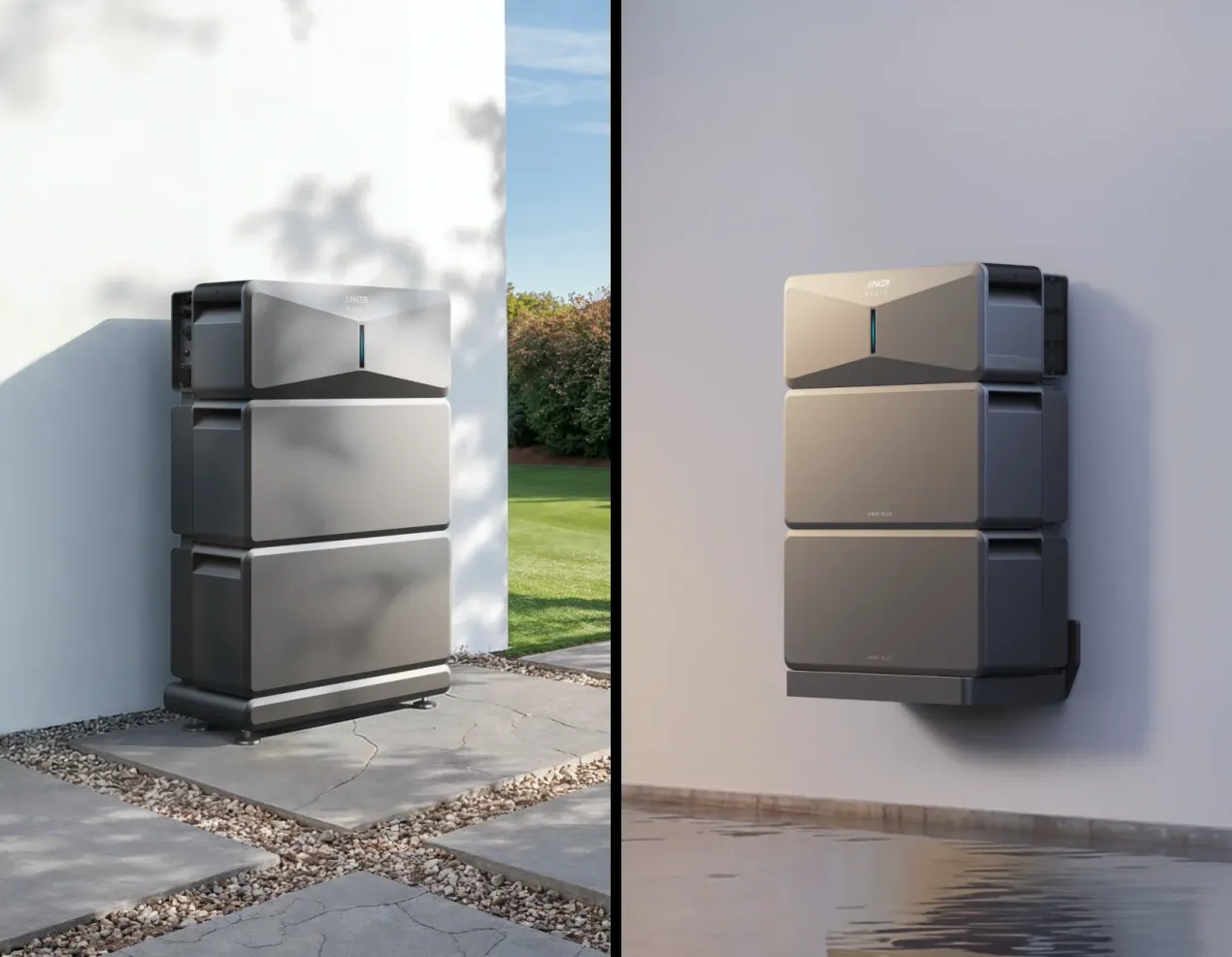
The main difference between standby and portable generators is how they are installed, activated, and used. Standby generators remain connected to a building’s electrical system and typically start automatically during an outage. Portable generators provide electricity where needed and usually require manual setup. Both can support backup power, but they suit different household layouts, electrical demands, and operating habits. Battery-based systems add another option, allowing homeowners to store electricity and switch to backup power automatically when the grid supply fails.
How Standby and Portable Generators Work
Standby Generators: Permanent Backup for the Home
A standby generator is installed in a fixed outdoor location and connected to the home’s electrical system through approved transfer equipment. When the utility supply fails, an automatic transfer switch detects the interruption and starts the generator. Once the system reaches the required operating conditions, the transfer equipment connects the designated loads to backup power. Depending on its capacity and installation, a standby generator may support essential circuits or a larger portion of the home. Homeowners should assess air conditioning, refrigerators, water pumps, lighting, and other major loads before selecting a model. Professional installation, fuel arrangements, exhaust clearances, and scheduled maintenance are important parts of a reliable standby setup.
Portable Generators: Flexible Power Where Needed
Portable generators provide electricity for temporary applications, including outdoor activities, home repairs, and selected household loads during an outage. Users position the generator in a suitable outdoor location, start it according to the manufacturer’s instructions, and connect compatible equipment through approved outlets or transfer equipment. Their flexibility makes them useful when power needs change between locations. Selection requires attention to continuous output, startup capacity, fuel type, outlet configuration, and expected runtime. For home backup, a properly rated transfer switch allows a compatible portable generator to supply designated circuits through the home’s electrical system. Fuel-powered units must remain outdoors, away from doors, windows, and ventilation intakes, to prevent dangerous carbon monoxide exposure.
Installation and Activation Shape the Daily Experience
The practical distinction extends beyond whether a generator has wheels. Standby systems prioritize automatic operation, while portable models offer greater freedom over where electricity is supplied. A standby installation requires a suitable location, electrical integration, and appropriate fuel infrastructure. Portable equipment still requires safe placement, correct connections, and sufficient fuel before use. Homeowners should also consider how quickly essential equipment needs power restored. Refrigeration, communications equipment, and certain electronics may benefit from a carefully designed automatic backup arrangement. The appropriate setup depends on household priorities, the transfer equipment, and the connected loads. Comparing these operating requirements provides a clearer basis for choosing among different types of generators.
Choosing the Right Backup System for Your Household
Compare Capacity, Runtime, and Starting Power
A generator’s rated output determines how much equipment it can operate simultaneously, while its surge capability indicates whether it can handle brief startup demands from motors and compressors. Runtime depends on the energy source, operating load, and available fuel or stored energy. Homeowners should list essential appliances, record their running wattage, and identify equipment with high startup requirements. Central air conditioning, well pumps, and other motor-driven loads deserve particular attention. For battery systems, capacity is measured in kilowatt-hours, while output is measured in kilowatts. These figures describe different capabilities. A system with sufficient stored energy may still need a higher power rating to start a demanding appliance.
Battery Backup Offers Another Route to Automatic Power
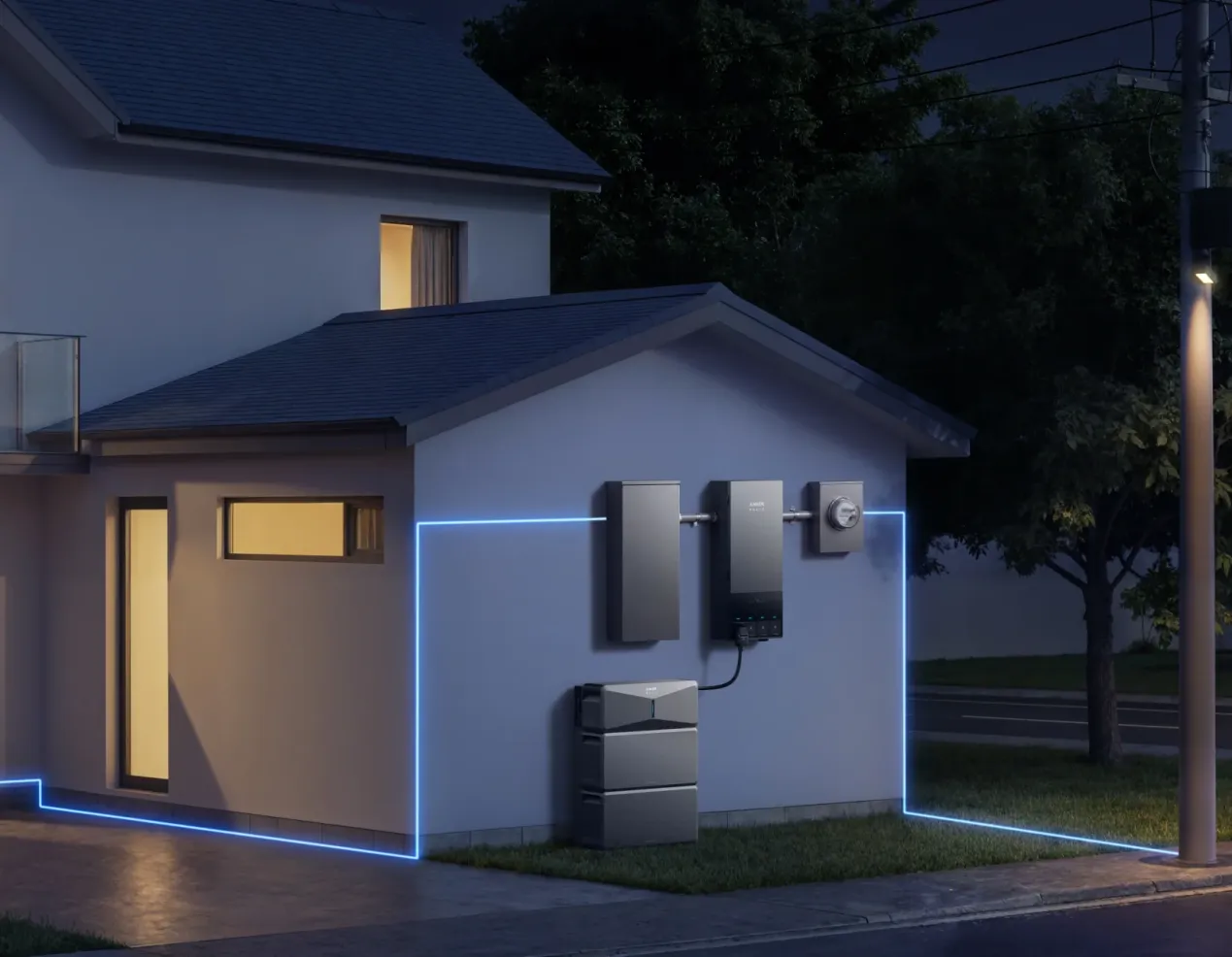
Battery-based backup systems store electricity and deliver it through an inverter when needed. They can suit households seeking rapid automatic switchover, quiet operation, and integration with solar charging where supported. Anker SOLIX E10 Whole-Home Backup illustrates this approach. In the configuration of one E10 power module, two B6000 batteries, and a Power Dock, the system provides 7.6 kW of continuous output and 10 kW of turbo output for up to 90 minutes. Its battery capacity can expand to 30 kWh per E10 unit, with up to 90 kWh across three units and the Power Dock. The Power Dock specifies automatic switchover within 20 milliseconds. These features make the system relevant to homeowners comparing permanently installed backup options, although suitability depends on the home’s electrical design and actual loads.
Consider Fuel, Maintenance, and Long-Term Use
Standby and portable fuel generators require attention to their engines, fuel systems, starting batteries where fitted, and manufacturer-specified servicing. The maintenance schedule varies by model and operating conditions. Homeowners should also plan periodic operational checks so the equipment remains ready when required. Battery-based systems follow a different maintenance pattern, with attention focused on installation conditions, system alerts, electrical connections, and manufacturer guidance. Solar-compatible systems also require suitable panel placement and periodic inspection of the solar installation. Purchase price alone does not show the full cost of backup power. Installation, fuel, servicing, expected usage, and the value of automatic operation all influence the decision. A household that experiences frequent outages may prioritize different features from one that needs occasional backup for a few essential appliances.
Conclusion
Standby generators provide fixed, typically automatic backup, while portable generators offer flexible power for temporary needs and selected household circuits. The right choice depends on installation requirements, electrical demand, starting loads, runtime, and maintenance. Battery-based systems provide another option for homeowners who value rapid switchover and stored electricity. Before choosing, assess essential appliances and consult a qualified electrician about transfer equipment, local codes, and installation requirements. Matching the system to real household demand creates a more practical and dependable backup plan.

