

Not long ago, selling unwanted gold in the UK meant carrying jewellery to a local buyer, waiting while it was weighed and tested, and deciding on the spot whether to accept the offer. That routine has changed. You can now check market prices online, photograph a hallmark, request a valuation and compare buyers before any jewellery leaves your hands.
For anyone planning to get cash for scrap gold, this means far more information before a decision is made. This guide explains how technology has changed the way scrap gold is sold in the UK.
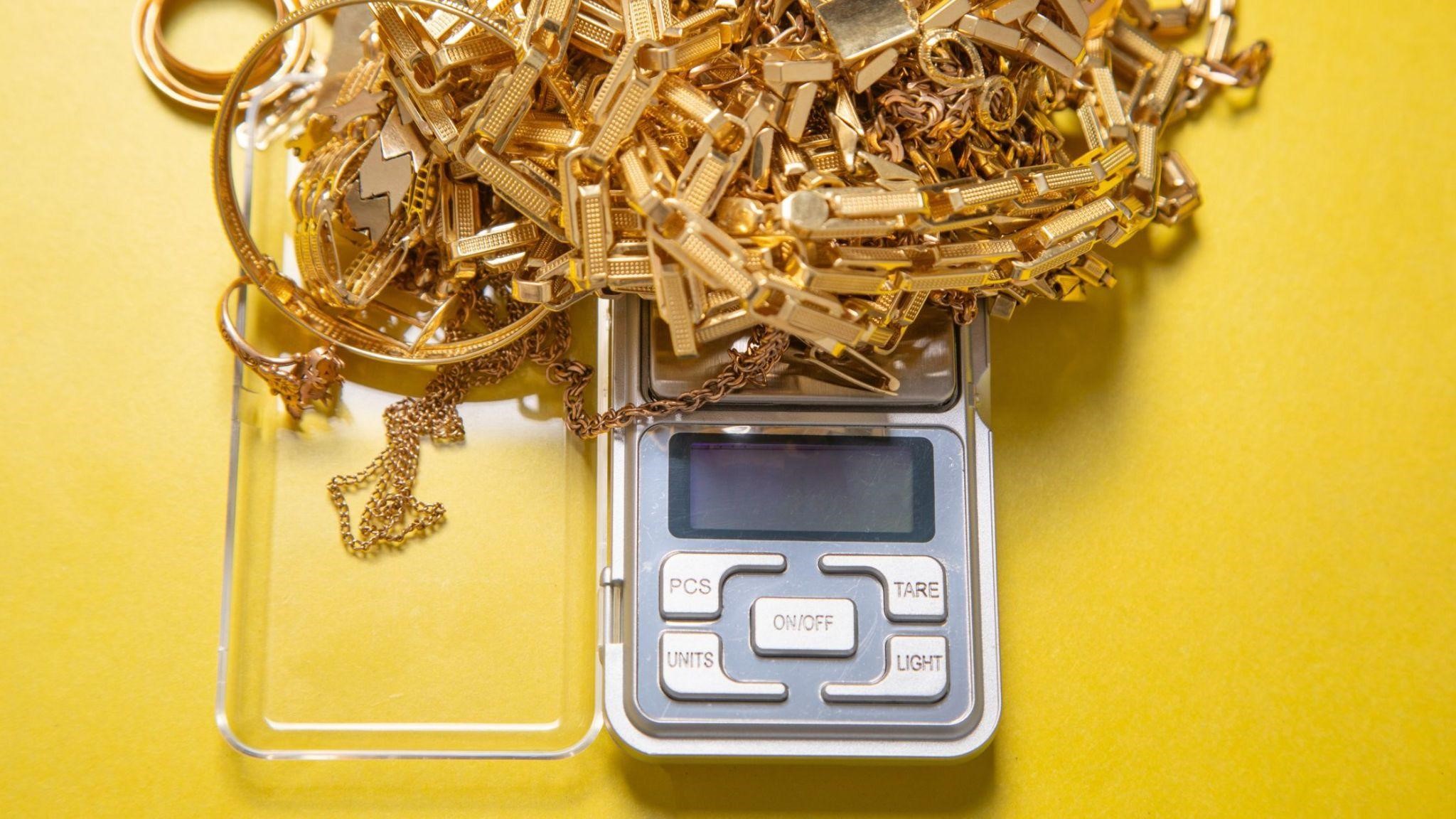
Check the Gold Price Online
Gold prices move from day to day, so a rate quoted a few weeks ago may tell you little when you are ready to sell. Checking a current figure gives you a fairer starting point for any conversation with a buyer.
The LBMA Gold Price is a major international benchmark, set through electronic auctions in London twice on each business day. Prices are also published in sterling, although the sterling figures are indicative for settlement purposes.
Online price information helps you in a few practical ways:
- Check the latest gold price in pounds.
- Follow recent movements rather than relying on one isolated figure.
- Understand why a valuation may differ from one day to the next.
The market price is only a reference point. A buyer will also take gold content, processing and refining costs into account.
Request an Initial Valuation Digitally
Online valuation services let you begin from home, without travelling anywhere. Depending on the buyer, you may be asked for photographs, an estimated weight, the type of item and any hallmark details.
This makes it easier to compare responses before you visit a buyer or send anything in the post. An online figure is normally indicative until the jewellery has been physically tested, so treat it as a guide rather than a promise.
Before requesting a valuation, it helps to have the following ready:
- Clear photographs of each item.
- Close-up images of any visible hallmarks.
- The approximate weight, if known.
- Details of stones or other materials.
Use a Smartphone to Examine Hallmarks
Hallmarks are tiny and can be hard to read with the naked eye. A smartphone camera solves much of that problem, because you can photograph the mark and enlarge the image until the symbols are easier to identify.
UK hallmarking guidance states that gold articles weighing more than 1 gram generally require a hallmark when sold as gold, subject to exemptions. A UK hallmark can show the sponsor, the metal fineness and the Assay Office. The four UK Assay Offices are Birmingham, Edinburgh, London and Sheffield.
A photograph is useful for an initial check, but it does not replace professional testing.
See What Modern Testing Adds
Technology has also changed how scrap gold is assessed in person. Digital scales give precise weight readings, and specialist equipment can analyse metal composition. X-ray fluorescence, or XRF, is used by UK Assay Offices for precious metal analysis and offers a non-destructive way to assess composition.
When your jewellery is assessed, it is worth asking about the following:
- The recorded weight.
- The testing method.
- Whether stones and other non-gold materials have been accounted for.
- How the results were used to calculate the offer.
The basic principle has not changed. Value depends on the amount and purity of the gold, not on what the piece originally cost in a shop.
Choose the Selling Method That Works for You
Each selling route uses technology in a different way, and the right one depends on how much convenience and in-person reassurance you want. The table below sets out how the main options compare.
| Selling method | Technology used | Main feature |
| High street | Digital scales and testing equipment | In-person assessment |
| Online | Valuation forms and digital communication | Convenient first stage |
| Postal | Online submission and parcel tracking | Remote selling |
| Hybrid | Online valuation and physical testing | Combines both |
Compare the Whole Offer
Technology makes it much easier to research several buyers before you agree to anything. The aim is to compare the complete transaction, not just the headline price. If you are looking at cash for scrap gold, the terms behind the number matter as much as the number itself.
Before accepting an offer, check the following:
- Whether the advertised rate is indicative or final.
- How the jewellery will be weighed and tested.
- Whether any fees or deductions apply.
- What happens if you reject the final offer.
- When and how payment is made.
Two buyers can quote similar rates while working to quite different terms.
Take Precautions When Posting Gold
Selling online can mean sending jewellery through the post. Tracking makes a parcel easier to follow, but you should still create your own record before it leaves your hands.
The steps below help protect the transaction:
- Photograph each item before packaging.
- Keep copies of valuation emails and forms.
- Make a list of the pieces being sent.
- Retain the tracking information.
- Check the delivery and insurance arrangements.
These records are useful if an item goes missing or there is a disagreement about what was received.
Understand Digital Identity Checks
Gold buying has become more structured on the compliance side too. Businesses can store customer details, transaction information, assessment results and payment records electronically, which makes them easier to retrieve and audit.
UK anti-money laundering requirements apply to relevant high-value dealers. HM Revenue & Customs defines a high-value dealer as a business or sole trader dealing in goods where cash payments of at least £10,000 are made or received for a transaction, including linked payments. A seller may therefore be asked for identification or further information as part of the buyer’s legal obligations.
Keep a Clear Payment Record
Bank transfers give you a clear record of the amount paid and the date it arrived, which can be valuable if a question comes up later. Electronic payment also removes the need to handle large sums in cash.
Before completing a sale, confirm these details with the buyer:
- The final agreed amount.
- The payment method.
- The expected payment date.
- The payment details being used.
Conclusion
Technology has moved much of the research and preparation for selling scrap gold online. Sellers can now check prices, inspect hallmarks, request valuations and compare buyers before an assessment takes place, while digital weighing, specialist testing, electronic records and bank payments have changed the transaction itself.
For anyone considering cash for scrap gold, these tools bring more information and convenience, but checking the buyer, the valuation method and the terms is still essential before you complete a sale.

