

Education decisions shape long-term academic paths and influence future opportunities for students across the country. Accurate information helps families choose institutions that support consistent academic and personal development. Research supports confident decisions, so take time to explore verified information before selecting a school.
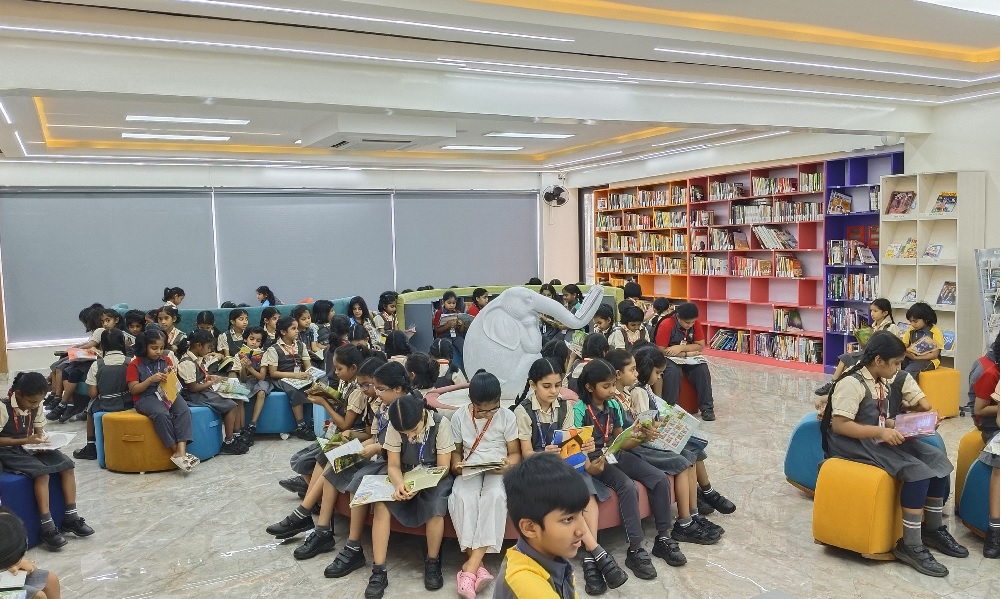
Many families assume that top schools in India follow identical standards across every region. This belief creates confusion and leads to several misleading assumptions that deserve attention. Cities such as Pune present varied educational approaches that highlight differences in teaching quality and school environments.
1. Well-known School Names Guarantee Better Education
A common assumption in India suggests that recognised names always reflect superior academic quality and consistent student outcomes. Schools across the country maintain strong academic standards through organised teaching methods and effective pedagogy. Pune includes several institutions that achieve strong results without widespread national recognition.
Dedicated teachers and proper lesson planning contribute significantly to student progress in these schools. Reputation may attract attention, yet internal academic systems determine the depth of student development. A review of teaching quality and academic records provides a more accurate assessment.
2. Higher Fees Always Lead to Better Academic Results
A widely held belief claims that expensive institutions provide better learning experiences and stronger academic performance. Many schools across the country maintain reasonable fees while delivering consistent academic outcomes and balanced development. Financial investment may improve campus facilities, yet it does not ensure meaningful classroom learning experiences.
Skilled teachers and organised academic planning influence student progress more effectively than fee levels. Effective curriculum design supports clarity and measurable progress across academic subjects. Pune offers several such institutions where affordability aligns with strong educational performance.
3. Advanced Facilities Automatically Improve Learning Outcomes
A popular perception states that modern facilities directly result in better academic performance and deeper subject understanding. Schools across the country emphasise systematic lesson delivery that builds strong academic understanding among students. Institutions in Pune reflect this approach through organised curriculum planning and consistent teaching practices.
Digital tools support classroom learning, though teacher interaction remains essential for academic clarity. Continuous formative assessment helps track student progress and supports timely academic improvements. Strong teaching practices ensure sustained academic progress beyond physical facilities.
4. Strict Discipline Restricts Student Growth and Creativity
A frequent belief in India presents strict rules as barriers that limit creativity and reduce opportunities for personal development. Discipline creates an environment that supports academic focus and personal responsibility among students. Schools across the country maintain organised routines that help students develop time management and organisational skills.
Expectations encourage accountability, respect, and consistent effort across academic activities. Structured discipline supports creative thinking when guided through constructive teaching approaches. Social-emotional learning practices strengthen student confidence and encourage balanced personal development.
5. School Location Determines Academic Quality and Success
A general opinion connects certain locations with better education due to popularity and accessibility advantages. Many institutions across the country maintain high academic standards regardless of their geographical position. Educational success depends on faculty expertise and curriculum design rather than specific city locations.
Students achieve consistent outcomes through organised academic systems that support steady learning progress. Institutional accreditation reflects adherence to established academic benchmarks and quality standards. Pune reflects this pattern through strong schools located across different neighbourhoods.
6. Extracurricular Activities Reduce Academic Focus
A prevailing idea in India suggests that participation in activities beyond academics distracts students from achieving strong academic results. Activities beyond academics contribute to overall development and improve student confidence in meaningful ways. Schools across the country integrate sports, arts, and cultural programmes within organised academic schedules.
Exposure to varied activities strengthens communication skills and encourages effective time management. Academic focus remains steady when activities follow proper planning and clear participation guidelines. Schools in Pune demonstrate this balance through programmes that support both discipline and student growth.
7. Selective Admissions Always Indicate Better Education Quality
A typical assumption presents strict admission criteria as proof of higher academic standards and superior learning environments. Several schools across the country maintain inclusive admission policies while delivering strong academic outcomes. A proper evaluation considers teaching quality, curriculum structure, and student performance rather than entry restrictions.
Academic success depends on internal systems rather than selective filtering of applicants. Transparent assessment criteria support fair evaluation and consistent academic standards across institutions. Pune includes institutions where fair admission practices align with consistent student achievement.
Misconceptions about education can influence decisions and limit access to suitable learning environments across the country. Accurate information helps families recognise genuine strengths within different institutions and avoid misleading assumptions. Awareness of these beliefs supports better evaluation of schools based on academic indicators. Explore available options carefully and focus on long-term educational value when selecting institutions. Reliable insights about top schools in India support informed decisions based on facts rather than assumptions. A clear understanding supports confident educational decisions and steady academic progress.

