

Hi, if you’ve ever tried using a GPS tracker outside the U.S., you know how fast things fall apart. The signal drops. The app stops updating. Support blames “network limitations.”
A GPS tracker for global tracking works across countries without roaming shock, SIM swaps, or dead zones. And in 2026, that reliability isn’t optional.
Businesses ship equipment overseas. Families travel internationally. Fleet companies expand routes into Canada and Mexico. High-value cargo moves daily across borders.
Most trackers fail once they leave home networks. Limited carrier support and hidden fees create real risk.
In this guide, I’ll show you which global GPS tracking devices actually work worldwide and what to avoid before you buy.
What Is a Global GPS Tracking Device?
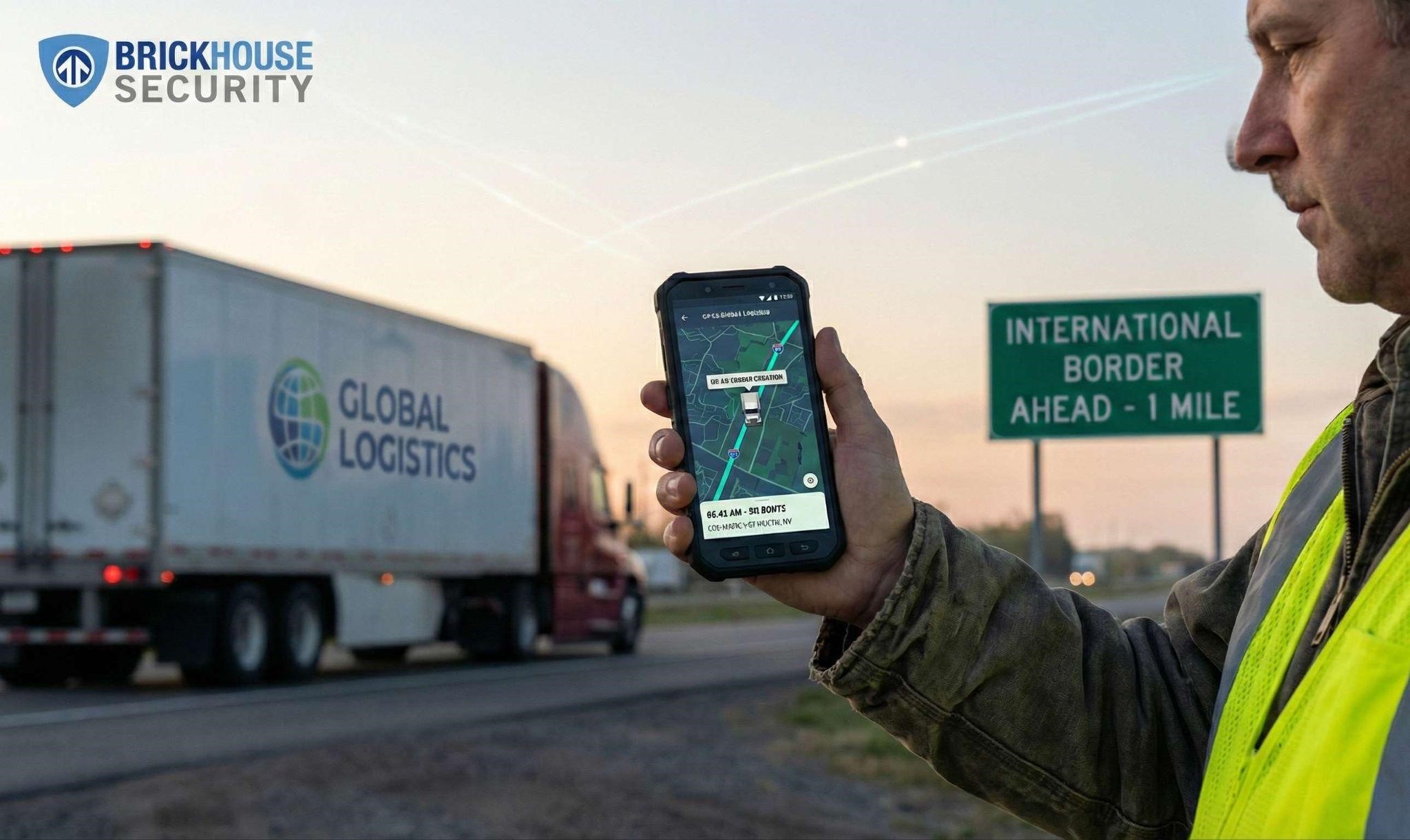
A global GPS tracking device is a tracker that works across multiple countries using satellite signals and multi-network cellular support. A global tracking device connects to GPS satellites for location data, then sends that data through international carrier networks so you can see updates anywhere in the world.
Let me explain how that works in real life.
The device locks onto satellites in space to find its exact position. After that, it uses a multi-network SIM card that switches between carriers automatically. So if one network is weak in Germany, it can jump to another. That keeps updates consistent while assets move across borders.
A regular tracker usually connects to one local carrier. Once it leaves that coverage area, tracking slows down or stops.
An international GPS tracker, on the other hand, supports worldwide coverage plans, global SIM compatibility, and cross-border data transmission without manual setup. That difference matters when vehicles, fleets, or luggage move from country to country.
What Makes a True Global GPS Tracking Device?
A true global GPS tracking device works worldwide without losing signal when assets cross borders. It does more than show location on a map. It maintains stable connectivity across multiple countries.
Local GPS trackers depend on one regional carrier. Once the device moves outside that coverage zone, updates slow down or stop. That is why many basic trackers fail during international travel.
A real global tracking device combines three key technologies:
- Multi-network SIM technology that switches between cellular carriers automatically
- Global GSM compatibility so the device works across international mobile networks
- Satellite integration for precise positioning anywhere with open sky
Now here’s where many people get confused.
Coverage and connectivity are not the same thing.
Coverage means the device can technically operate in a country. Connectivity means it can maintain strong, consistent data transmission there. A GPS tracker worldwide must deliver both.
Many products labeled as a “world GPS tracker” only support limited roaming agreements. Once the device enters certain countries, signal drops, data slows, or roaming fees spike. That creates tracking gaps you don’t notice until you need the device most.
A real global GPS tracking device avoids those issues by using multi-carrier access and international data infrastructure designed for cross-border movement.
The Growing Need for Global GPS Tracking in 2026
Global GPS tracking is no longer a niche tool. In 2026, it supports fleets, travelers, and businesses that operate across borders every day. The movement is global now. Tracking has to match that scale.
Let’s break down where demand is rising fastest.
A. Global Fleet Expansion
Global fleet tracking is growing because logistics companies no longer operate in one country. U.S.-based fleets now run routes into Canada, Mexico, and overseas ports.
Fleet managers need:
- Real-time vehicle location across borders
- Driver behavior monitoring in multiple regions
- Compliance reporting for different transport rules
During cross-border trips, even a 5-minute data delay creates dispatch problems. I’ve seen fleet managers struggle when local trackers drop signal after leaving the U.S. That gap affects routing, delivery times, and fuel planning.
A true global system keeps updates stable no matter which country the vehicle enters.
B. International Travel & Asset Protection
International travel has surged again, and so has demand for a reliable global luggage tracker. Lost baggage is still common during multi-airport trips. Travelers want location updates, not airline guesswork.
Remote vehicle monitoring also matters during overseas travel. Some executives store vehicles long-term in different countries. Digital nomads leave cars parked for months while working abroad. Without worldwide coverage, alerts stop the moment the device loses local network access.
That risk pushes more consumers toward devices built for international use.
C. Security & High-Value Asset Protection
Cross-border shipments carry expensive cargo every day. Construction firms move heavy equipment between states and countries. Once equipment crosses into a new network zone, a weak tracker becomes useless.
Theft recovery depends on speed. Law enforcement responds faster when location data updates consistently. If tracking stops at the border, recovery rates drop.
In 2026, businesses no longer accept regional tracking limits. They need reliable global visibility from origin to destination.
Critical Features Every International GPS Tracker Must Have
Not every international GPS tracker deserves to be called global. Before you look at brands or pricing, you need to know what separates a serious device from a basic regional tracker.
Let’s break down the features that truly matter.
Global SIM and Roaming-Free Coverage
An international GPS tracker must support multi-network SIM technology. That means it automatically connects to the strongest carrier in each country.
Look for:
- Coverage in 140+ countries
- No manual network switching
- No surprise roaming charges
If a device requires you to change SIM cards at the border, it is not built for global GPS tracking. A true global GPS tracking device handles that transition on its own.
Real-Time Tracking and Global View Dashboard
A GPS tracker worldwide is only useful if you can see clear updates inside one platform.
You need:
- App-based global view GPS tracker interface
- Live map updates with minimal delay
- Route playback and full trip history
In real-world fleet use, delayed updates create routing mistakes. For travelers, slow refresh rates make luggage recovery harder. A proper global dashboard should show movement instantly and allow you to review past routes without glitches.
Long Battery Life and Backup Power
Battery life becomes critical during international shipments. Cargo can sit in transit for days.
Look for:
- Multi-day battery life for portable devices
- Hardwired backup options for vehicles
- Low-battery alerts
For global luggage tracking or heavy equipment monitoring, a weak battery defeats the entire purpose.
Smart Alerts and Geofencing
Real tracking is more than a dot on a map.
A strong international GPS tracker should provide:
- Movement detection alerts
- Speed notifications
- Cross-border entry and exit notifications
- Custom geofencing zones
Fleet managers rely on these alerts to monitor compliance. Families use them to track safe arrivals. Businesses use them to detect unauthorized movement.
Secure Cloud Infrastructure
Data security matters when tracking across countries.
A reliable global tracking device should include:
- Encrypted data transmission
- Secure cloud storage
- Strong uptime reliability
If the platform goes offline during cross-border movement, tracking stops. A premium system maintains stable access and protects location data from interception.
Once you understand these criteria, it becomes easier to identify which devices qualify as true international GPS trackers and which ones only advertise worldwide coverage.
Why Many “Global” GPS Trackers Fall Short
Many devices advertise worldwide coverage. In practice, they only work in select regions.
That gap creates problems once the tracker leaves its primary country.
Limited country coverage is the first issue. Some so-called global GPS trackers only support North America and parts of Europe. Move into South America, Africa, or parts of Asia, and updates slow down or stop completely.
Hidden roaming costs create another surprise. A device may function internationally, but monthly bills spike because it relies on roaming agreements instead of true multi-network access. Businesses often discover this after several cross-border trips.
Network dependency also causes failures. Many low-cost trackers still rely on 2G networks. Several countries have already shut down 2G infrastructure. When that happens, the tracker cannot transmit data at all.
Battery performance often weakens under global use. International shipments can sit in customs or warehouses for days. Consumer-level trackers drain quickly and stop reporting before delivery.
Mobile app experience becomes another weak point. Some apps lag, crash, or fail to display a clean global map view. When tracking across time zones and borders, clarity matters.
Enterprise tools are usually missing. Basic trackers do not include:
- Advanced reporting
- Fleet management dashboards
- Cross-border compliance tools
- Multi-user access controls
Because of these limitations, many devices labeled as a GPS tracker worldwide fall short in real-world use.
This is where professional-grade systems differ from consumer-level trackers. Enterprise-focused providers design their platforms for consistent international performance, not just occasional travel.
What Sets BrickHouse Security Apart in Global GPS Tracking
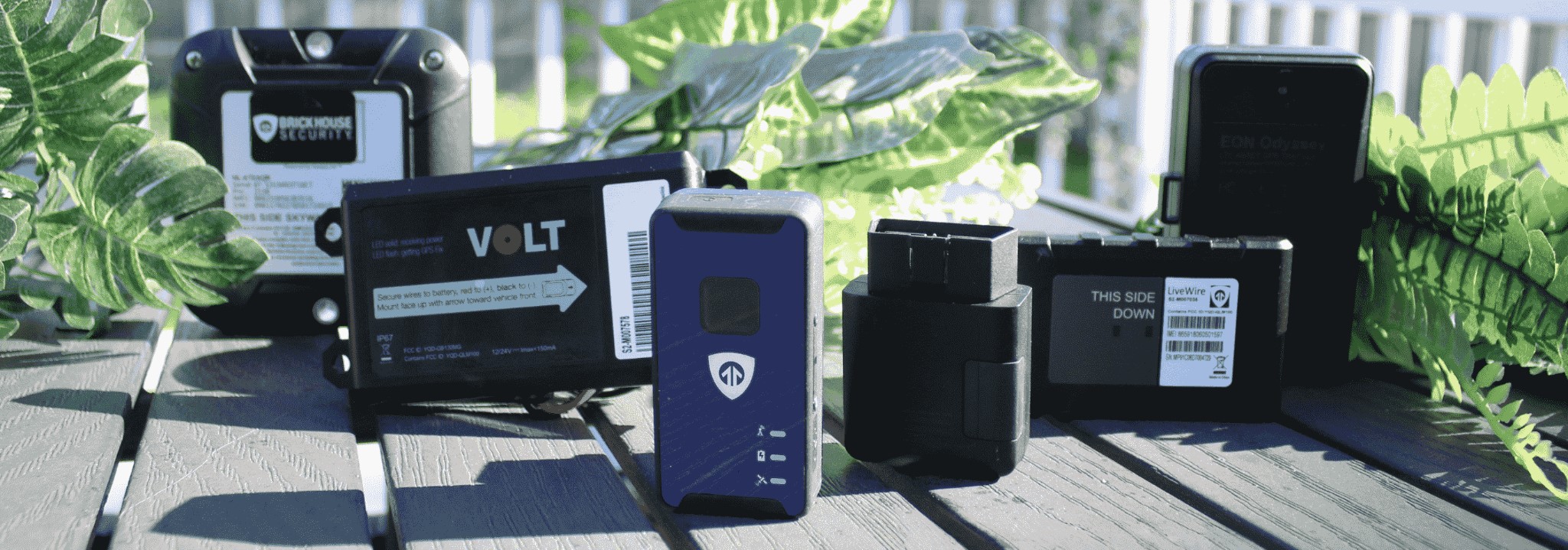
BrickHouse Security delivers a professional-grade international GPS tracker built for real worldwide performance. While many devices claim global coverage, this provider designs its systems specifically for uninterrupted cross-border tracking.
Let me break down why that matters.
First, coverage. BrickHouse Security supports tracking across North America, Europe, Asia, and other major regions. Their devices operate as a true global GPS tracking device, not a regional tracker with roaming add-ons.
Second, multi-network SIM support. The hardware connects to multiple cellular carriers automatically. That keeps the GPS tracker worldwide active without manual network switching.
The real advantage shows up inside the dashboard. Their real-time global tracking platform provides:
- Live map tracking across countries
- Route playback and trip history
- Custom alerts and geofencing
- Multi-user access controls
For businesses managing vehicles across borders, their global fleet tracking tools include reporting features and driver monitoring. That level of visibility supports compliance and operational control.
Compatibility also matters. The devices work for vehicles, heavy equipment, cargo shipments, and high-value assets. So both enterprise fleets and individual users can rely on the same infrastructure.
Customer support plays a role too. U.S.-based assistance and enterprise reliability reduce downtime during international movement. When tracking across time zones, responsive support becomes critical.
BrickHouse Security positions itself as a solution for businesses and individuals who require stable, uninterrupted global monitoring, not occasional travel coverage.
Who Should Use a GPS Tracker for Global Tracking?
A GPS tracker for global tracking makes sense for people and businesses that operate beyond one country. If your assets cross borders, local trackers will not protect you.
Let’s look at who actually needs a professional system.
International Logistics Companies
Shipping companies move cargo across ports, borders, and warehouses daily. A missed update creates delivery delays and insurance disputes.
Professional global GPS tracking provides:
- Continuous location visibility
- Cross-border reporting
- Route history for compliance
Entry-level trackers often lose signal once shipments leave domestic networks. That gap creates risk during long-haul transport.
Export and Import Businesses
Exporters ship high-value goods internationally. Once containers leave U.S. soil, visibility becomes critical.
A reliable international GPS tracker keeps:
- Real-time monitoring active
- Theft alerts triggered instantly
- Location data consistent during customs delays
Basic consumer trackers often fail during extended overseas transit.
Corporate Fleet Managers
Corporate fleet managers handle vehicles operating in multiple countries. Regional trackers create blind spots when vehicles cross borders.
A system built for global fleet tracking allows:
- Multi-country monitoring from one dashboard
- Driver behavior tracking
- Cross-border geofencing alerts
Professional tools give operational control. Entry-level apps cannot support enterprise reporting needs.
Frequent International Travelers
Frequent travelers benefit from tracking vehicles, luggage, or rental equipment overseas.
A GPS tracker worldwide prevents:
- Lost luggage stress
- Long-term vehicle storage risks
- Delayed recovery during theft
Consumer-grade trackers often depend on limited roaming agreements. Once the device enters certain countries, performance drops.
High-Net-Worth Individuals Protecting Assets
Luxury vehicles, yachts, and overseas properties require constant visibility.
Professional-grade systems provide:
- Stronger encryption
- Reliable uptime
- Faster real-time updates
When assets hold high value, partial coverage is not acceptable.
Security-Focused Families
Some families monitor teens studying abroad or elderly relatives traveling internationally. They want dependable alerts, not delayed notifications.
A professional system offers stronger infrastructure and better global coverage than budget devices.
When tracking stays inside one state, a basic tracker may work. Once tracking becomes international, reliability changes the equation. That is where a professional provider like BrickHouse Security makes more sense than entry-level trackers built for local use only.
Final Verdict
The best GPS tracker for global tracking in 2026 must deliver real worldwide coverage, not limited roaming. Look for multi-network SIM support, coverage across 140+ countries, real-time updates, strong battery life, and secure cloud infrastructure.
Reliable global GPS tracking depends on stable connectivity and enterprise-grade systems. Weak hardware and regional limits create gaps you cannot afford during cross-border movement.
For businesses and individuals who need consistent international monitoring, BrickHouse Security ranks as a top-tier option. Their international GPS tracker platform supports true global fleet tracking and asset protection.
Before buying, review coverage maps carefully. Choose a system built for real international use, not just domestic tracking stretched across borders.

