

Key Takeaways
- LCL shipping enables small businesses to save costs by only paying for the space they use.
- Frequent, smaller shipments support agile inventory management and faster market entry.
- LCL provides easy access to international markets and reduces shipping’s environmental impact.
- Professional logistics partners ensure smooth operations and reduced risk of damage or loss.
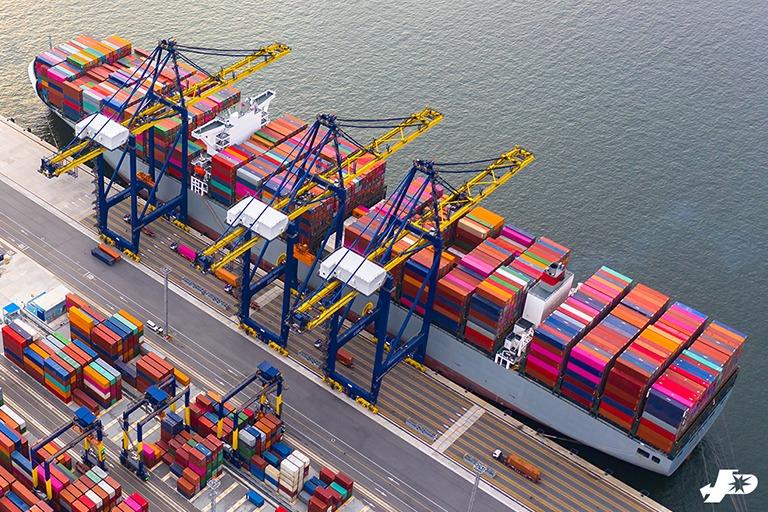
For many small businesses, balancing cost efficiency and operational flexibility is key to staying competitive in the global market. Traditional shipping methods that require filling an entire container can be costly and impractical for companies with smaller order volumes. This challenge often forces business owners to choose between overstocking and facing higher per-unit shipping costs, both of which can strain budgets and limit growth opportunities.
One solution that has gained popularity is leveraging LCL ocean shipping, which allows businesses to share container space with other shipments. This approach enables companies to ship smaller quantities more frequently, keeping inventory levels manageable while reducing upfront expenses. Beyond cost savings, it offers greater adaptability, allowing businesses to respond quickly to market demands and seasonal trends. By using this method, small enterprises can expand their reach to international markets without the financial burden of booking full containers.
Cost Savings
Sharing container space through LCL allows small businesses to pay only for the space they use, reducing the financial burden of booking a full container. This approach minimizes storage costs, lowers inventory carrying expenses, and frees up capital for other operational needs. By leveraging ocean freight shipping, companies can access global markets without overcommitting resources to large shipments. This flexibility is especially valuable for testing new products or entering new regions, as it limits risk while keeping logistics expenses predictable. Ultimately, LCL provides an affordable, scalable solution that aligns with the budget-conscious strategies of growing enterprises.
Flexibility and Inventory Management
LCL shipping empowers businesses to maintain flexible inventory systems. Instead of the pressure to stockpile large quantities, owners can send smaller, regular shipments that match real-time sales cycles. This particularly benefits industries with rapidly changing products, perishable goods, or seasonal merchandise. Inventory risk drops because businesses are less likely to overstock or face obsolescence, making operations more responsive to market changes.
Smaller, more frequent shipments facilitated by LCL allow for streamlined operations, aligning production and logistics with customer demand. The just-in-time inventory approach reduces holding costs and helps ensure more consistent product availability, which can be a decisive advantage in fast-paced or highly competitive sectors.
Faster Market Entry
Traditionally, small enterprises have had to wait until they could fill an entire container before shipping, often leading to missed opportunities and delayed customer deliveries. LCL shipping allows these companies to move products as soon as they are ready, providing the agility to enter new markets quickly, seize seasonal chances, and respond instantly to changes in consumer demand. This speed fosters stronger customer relationships and supports rapid business expansion.
With LCL, businesses no longer have to overcommit to uncertain demand. Instead of placing large, risky inventory bets, they can test new international markets with limited quantities. This incremental approach minimizes financial exposure and provides market feedback before scaling up.
Global Reach
LCL services operate along virtually all major global shipping routes, granting small businesses access to international opportunities that would otherwise be out of reach. Logistics providers maintain networks of consolidation hubs and distribution infrastructure, enabling businesses to penetrate new regions efficiently, regardless of order size. This reach helps businesses become competitive worldwide, supporting export-led growth and diversification.
Global commerce is increasingly interconnected, and LCL shipping levels the playing field for small firms. International shipping can be as seamless as local deliveries, supported by partnerships with global logistics providers and real-time shipment tracking.
Environmental Sustainability
LCL shipping is an eco-friendly logistics solution. It maximizes space utilization by consolidating multiple smaller shipments into single containers. Fewer containers are shipped, reducing carbon emissions per cargo unit. Responsible logistics management through LCL supports corporate sustainability goals and aligns with growing consumer expectations for greener supply chains.
Professional Logistics Support
Partnering with skilled freight forwarders is a core advantage of LCL shipping for small businesses. These experts handle everything from customs clearance and compliance to final delivery coordination. As a result, shippers benefit from streamlined documentation, transparent processes, and reduced risk of costly errors or delays. This hands-off approach allows business owners to focus on core activities rather than being bogged down by complex logistics.
Professional support includes tailored service, advising on optimal routing, shipment scheduling, and cargo insurance. This guidance helps businesses avoid common shipping pitfalls and enhances reliability throughout the supply chain.
Reduced Risk of Damage or Loss
Contrary to misconceptions, using LCL does not increase the chances of cargo damage. On the contrary, reputable logistics providers prioritize careful handling, secure packaging, and strategic loading to protect goods in mixed-container shipments. By reducing unnecessary handling (a common cause of shipping mishaps), consolidators help ensure goods reach their destination safely.
Additionally, regular inspection processes and robust carrier relationships further safeguard shipments. Many modern consolidators use intelligent tracking solutions so that businesses can monitor their cargo’s condition and location in real time.
Access to Consolidation Hubs and Distribution Networks
Leading LCL service providers offer integrated access to global consolidation hubs, customs brokerage, last-mile delivery, and warehousing networks. This infrastructure streamlines the shipment journey from origin to destination, minimizing manual intervention and delays. These networks also facilitate reverse logistics for returns, making supply chains even more robust.

