

The commercial trucking industry is the backbone of global commerce, moving goods across cities, states, and entire continents. In the United States alone, over 15 million commercial vehicles are registered, representing a massive workforce and fleet that keeps supply chains running.
Despite its importance, many trucking businesses face operational challenges that undermine profitability and long-term growth. These oversights often go unnoticed until they lead to costly breakdowns, regulatory penalties, or lost clients. Addressing them proactively can help companies improve efficiency, safety, and overall performance.
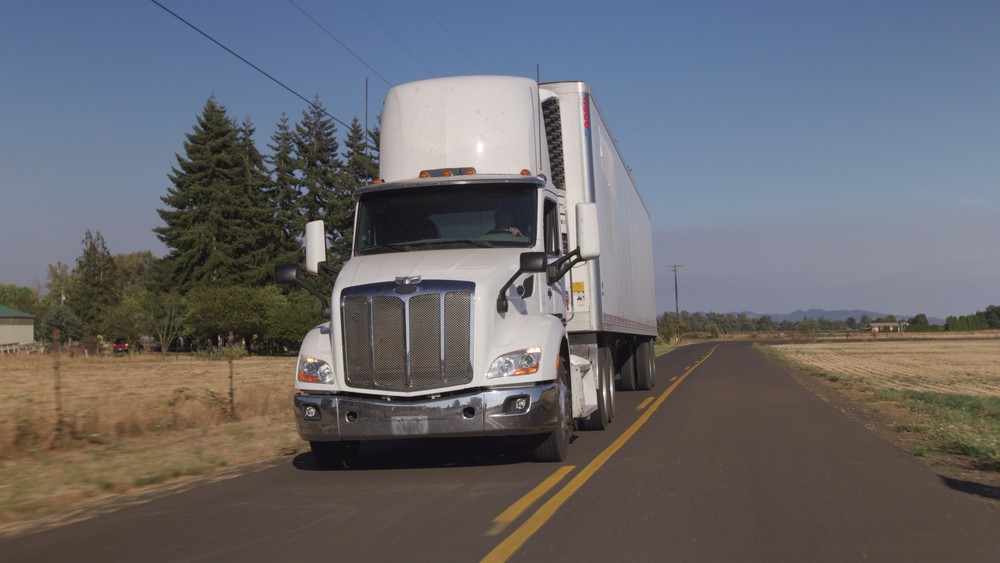
Below are some of the most critical oversights that can have a lasting impact on a commercial trucking operation.
Neglecting Fleet Maintenance
Routine maintenance is essential to keeping trucks in service and preventing expensive breakdowns. However, some operators delay inspections or repairs to save time or money—only to face higher costs later. Unplanned downtime disrupts delivery schedules, damages customer relationships, and can put driver safety at risk. A well-documented preventive maintenance program ensures vehicles are always road-ready and compliant with safety regulations.
Overlooking Driver Fatigue Management
Driver fatigue is one of the most significant safety risks in the industry. Studies show that driver fatigue causes about 30% of all commercial truck accidents, making it a problem that trucking companies cannot afford to ignore. Businesses that fail to implement proper scheduling, rest break policies, and fatigue awareness training risk not only accidents but also higher insurance premiums and reputational harm. Investing in monitoring systems, such as electronic logging devices (ELDs), can help ensure compliance with hours-of-service regulations.
Failing to Monitor Fuel Efficiency
Fuel is one of the largest expenses for any trucking company, and small inefficiencies add up quickly. Factors such as improper tire pressure, poor route planning, and excessive idling can increase fuel consumption. Businesses that don’t track fuel performance or invest in fuel-efficient technologies are likely overspending significantly. Telematics systems can help monitor driver habits and vehicle performance, enabling adjustments that save money over time.
Ignoring Vehicle Weight Reduction Opportunities
Reducing vehicle weight can have a major impact on fuel efficiency, maintenance costs, and load capacity. In fact, replacing heavy steel components can reduce the weight of a vehicle by 10–60%, depending on the materials and design. Lighter trucks can carry more goods without exceeding legal weight limits, use less fuel, and experience less wear on brakes and tires. Companies that don’t evaluate modern lightweight materials—such as aluminum or composite components—may be missing out on significant savings.
Inadequate Compliance with Safety Regulations
Regulatory compliance is not optional, yet some trucking businesses cut corners when it comes to inspections, recordkeeping, or driver qualifications. Non-compliance can lead to fines, legal action, or even business closure. Staying updated on federal and state-level rules, training staff regularly, and conducting internal audits are essential for avoiding costly penalties.
Poor Route Planning and Scheduling
Inefficient route planning can waste time, fuel, and labor. Without proper scheduling tools, drivers may face unnecessary detours, traffic delays, or excessive idle time. Advanced route optimization software can help identify the shortest, safest, and most fuel-efficient routes, ultimately improving delivery times and reducing operating costs.
Neglecting Driver Recruitment and Retention
The trucking industry faces ongoing driver shortages, and high turnover can be expensive. Recruiting qualified drivers is just the beginning—retaining them requires competitive pay, benefits, and a supportive work environment. Companies that fail to invest in driver satisfaction risk losing skilled professionals to competitors, leading to increased hiring costs and reduced operational stability.
Weak Cargo Security Measures
Cargo theft is a costly risk for trucking companies, leading to financial loss and damaged customer trust. Businesses that don’t invest in GPS tracking, secure parking facilities, and driver security training leave themselves vulnerable. Strong cargo protection policies not only prevent theft but also help secure contracts with clients that prioritize shipment safety.
Overlooking Technology Integration
Modern trucking businesses have access to powerful digital tools that can transform operations—from fleet management software to automated billing systems. Companies that resist adopting new technologies may fall behind competitors in efficiency and customer service. For example, real-time tracking platforms can provide clients with accurate delivery updates, enhancing transparency and trust.
Insufficient Financial Oversight
A lack of proper budgeting, expense tracking, and fraud prevention can quietly erode profitability. Small discrepancies may go unnoticed for months, eventually adding up to substantial losses. Regular financial reviews, clear approval processes, and the use of accounting software can help prevent errors and ensure financial stability.
Running a successful trucking operation requires more than keeping trucks on the road—it demands a holistic approach that addresses safety, efficiency, and employee well-being. By tackling these common oversights, businesses can not only improve performance but also strengthen their position in a highly competitive market.

