

Most Indian cities grow outward in a messy way. Offices appear in one place, flats in another, and people spend hours in between. Mahindra World City on the Chengalpattu side of Chennai tries a different idea: build the jobs, the schools, the shops and the housing together, inside one planned area. This article looks at how that works, what the residential options are, and what a buyer should keep in mind.
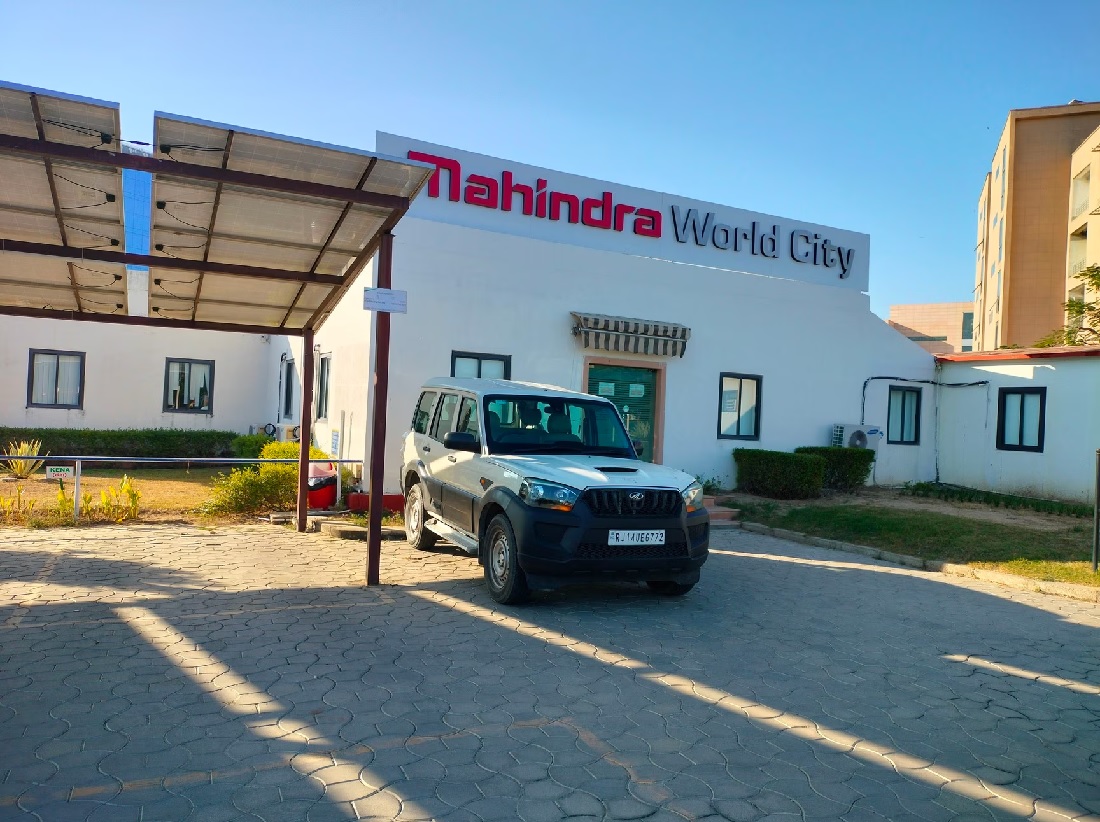
What Mahindra World City is?
Mahindra World City is an integrated township and business city developed by the Mahindra group, on the GST Road corridor south of Chennai. It spreads across roughly 1,500 acres, of which about 285 acres have been set aside for residential, social and retail use. The rest is meant for industry, an IT and services zone, and a special economic zone. The township is already home to more than 3,000 families, according to the developer.
That mix is the main point. Many residents can reach work in minutes, not hours, and companies get ready infrastructure such as roads, water and power.
Why the location works?
GST Road is one of the busiest growth corridors around Chennai. It links the city to the airport side and to towns further south. Mahindra World City sits at Chengalpattu, which means it benefits from the road and rail links of the corridor but is still far enough out to offer more open space. For buyers who find central Chennai too expensive, this is the usual trade-off: a longer drive into the city, in return for a larger and greener place to live.
Residential choices
The township has had several residential projects over the years. Names that appear in the public record include Sylvan County, Iris Court, Nova, Aqualily and Lakewoods. Aqualily is described as a California-style project with apartments and villas, with apartment sizes of roughly 1,595 to 2,562 sq ft and villas of about 2,283 to 3,950 sq ft. Lakewoods added 2 and 3 BHK apartments. Mahindra Lifespaces has also launched Green Estates, a 27-acre plotted project with plots from 750 to 2,400 sq ft.
In simple terms, a buyer can choose between a plot to build on, a villa, or an apartment, all inside one planned township.
Who benefits most
- Employees of companies inside the township. Short commutes are the biggest saving here.
- Families who want space. Wide roads, parks and lakes are easier to plan in a large township than in a dense city.
- Plot buyers and long-term investors. Land inside a planned business city tends to be easier to verify and finance than scattered plots on the highway.
- Retirees and second-home buyers. Gated living with services and a quieter environment suits this group.
What to check before buying
- Which project and which phase. Prices, possession dates and approvals differ across projects. Confirm the exact RERA number for the one you are looking at.
- Approvals for plots. For plotted land, ask for DTCP or CMDA approval details and a clear title.
- Distance to Chennai. Test the commute at your actual travel time, not at midnight.
- Social infrastructure. Visit the schools and hospitals you plan to use, not just the ones listed in a brochure.
- Resale and rental demand. Ask local brokers how easily similar units rent or sell in the same project.
Looking ahead
As more companies take space inside the business city, demand for nearby housing usually follows. That does not guarantee price growth, and buyers should not assume it. What it does give is a stable base of daily users, which supports rentals and everyday services such as schools and clinics.
Final thoughts
Mahindra World City is a good example of a planned approach to urban growth. It will not suit someone who wants to live in the middle of Chennai, but for people who value space, a short commute within the township and a choice between plots, villas and apartments, it is worth a close look. Compare options, check the paperwork, and visit the site more than once.
Business and jobs: the engine behind the township
A residential township depends on what happens around it. Mahindra World City is built around a special economic zone and an industrial and IT cluster, which brings employers across sectors such as automotive, engineering, apparel and services. These companies give the township a base of daily users: employees who rent or buy, vendors who set up shops and contractors who keep services running. This mix is why the township has been able to grow its social infrastructure, including schools and clinics, without waiting for a distant municipal plan.
For a buyer, the practical meaning is stability. A residential area that is tied to a working business district is less likely to sit empty than a stand-alone layout in a remote location. That said, a township is also exposed to the fortunes of its anchor employers. If big employers cut jobs or move, rental demand can soften. Ask local agents how many units in the project are owner-occupied compared with rented.
Plots versus villas versus apartments
Plots. The Green Estates project offers plots from about 750 to 2,400 sq ft inside a 27-acre layout. A plot gives freedom to design your own house, but it also needs time, money and supervision to build. Check construction rules in the township, such as height limits and setback norms, before buying.
Villas. Villas in a township come with a boundary, a garden and shared services such as security and common areas. Aqualily offers villas of roughly 2,283 to 3,950 sq ft, which suit large families who want privacy.
Apartments. Apartments such as those in Lakewoods and Aqualily suit buyers who want low maintenance and shared amenities. They are usually the easiest to rent out.
A useful way to choose is to ask three questions. How long will you stay? Do you want to build or move in? How much monthly upkeep can you handle? The answers usually point to one of the three options.
Costs to plan for
Plot buyers should plan for registration, stamp duty (Tamil Nadu rates apply), development charges and the cost of construction. Apartment buyers should budget for GST on under-construction flats, maintenance deposits and furnishing. In both cases, take a written cost sheet before paying any token amount.
Connectivity and commute
GST Road links the township to Chennai and to the airport side. Suburban rail stations at Chengalpattu and Singaperumal Koil are within reach, and many residents use company buses. Test the drive at the time you will actually travel. A drive that takes 50 minutes at midday can take much longer in office hours.
To see current listings, prices and floor plans near Chennai, you can explore property options on Square Yards.

