

Choosing a private school can be one of the most important educational decisions a family makes. Private schools vary widely in teaching style, class structure, religious affiliation, academic expectations, extracurricular opportunities, and overall philosophy.
According to CAPE, there are more than 30,000 private schools in America. With so many options available, parents should look beyond reputation alone and think carefully about what type of environment will best support their child’s learning style, interests, personality, and long-term development.
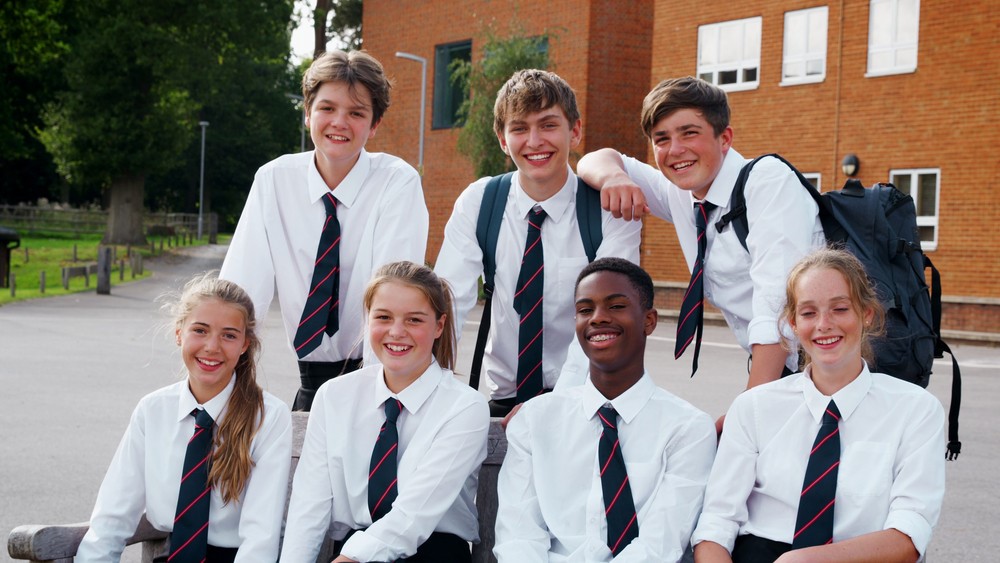
Understanding the major types of private schools can make the decision easier.
Traditional College-Preparatory Schools
College-preparatory private schools often emphasize academics, structured coursework, and preparation for higher education.
These schools may offer advanced classes, honors programs, standardized test preparation, academic clubs, and strong college counseling. Students who thrive in structured environments and enjoy academic challenges may respond well to this type of school.
Parents should still look closely at how pressure and expectations are managed. A rigorous curriculum can be valuable, but it should also fit the child’s abilities and temperament.
Visiting classrooms, reviewing course offerings, and asking about student support can help families determine whether the academic culture feels challenging in a productive way.
Montessori Schools Offer a Different Learning Model
Some families prefer an educational environment that places greater emphasis on independence, exploration, and self-directed learning.
Montessori education is one of the most widely recognized alternatives to traditional classroom instruction. According to the BBC, more than 60,000 schools around the world use the Montessori method.
Montessori classrooms often allow students to work at their own pace within a structured environment. Teachers guide rather than constantly direct, and students may spend more time selecting activities based on their interests and developmental needs.
This model may appeal to children who enjoy hands-on learning and independence. However, parents should visit prospective schools because the way Montessori principles are implemented can vary.
Religious Schools Can Combine Education and Faith
Religious private schools are another major option. These schools may incorporate faith, religious instruction, worship, and values-based education into the school day.
Families considering this option should think carefully about how important religious education is to their household and how closely a school’s beliefs align with their own.
It is also worth considering how religious participation changes over time. According to Reach Right Studios, although nearly 50% of people attended church weekly as children, only 20% attended weekly as adults.
For some families, that may make a faith-based school especially valuable as a way to provide consistent religious education during childhood. Others may prioritize a school that exposes students to a broader range of beliefs or separates academics from religious instruction.
Neither approach is automatically right for every child. What matters is whether the school’s philosophy fits the family’s goals.
Specialized Schools Can Support Particular Interests
Some private schools focus heavily on specific subjects or talents.
Arts-focused schools may emphasize music, theater, dance, visual arts, or creative writing. STEM schools may place additional attention on science, technology, engineering, and mathematics. Other schools may specialize in athletics, languages, classical education, or particular educational philosophies.
A specialized school can be a strong option for a child who already demonstrates a deep interest in a particular area.
Parents should still make sure the broader academic program remains balanced. A child may love one subject today but develop new interests several years later.
The best specialized programs give students opportunities to pursue their strengths without limiting future options.
Small Schools May Provide More Individual Attention
School size can have a major effect on a child’s experience.
Smaller private schools may provide closer relationships between students and teachers, smaller classes, and more individualized attention. Teachers may have an easier time recognizing when a student is struggling or ready for additional challenges.
For shy students or children who become overwhelmed in large environments, a smaller school community may also feel more comfortable.
However, smaller schools sometimes have fewer electives, sports teams, clubs, or advanced courses.
Parents should think about whether their child would benefit more from personal attention or from the variety of opportunities that may come with a larger school.
Larger Private Schools May Offer More Activities
Larger private schools may provide a broader range of extracurricular opportunities.
Students might have access to multiple sports teams, theater productions, student organizations, advanced classes, technology programs, and specialized facilities.
For children who enjoy exploring many different interests, that variety can be appealing.
At the same time, families should consider whether their child might feel lost in a larger environment. Visiting the campus and speaking with current families can provide a better sense of how connected students feel to teachers and classmates.
Consider the School’s Teaching Philosophy
Two private schools with similar facilities and tuition can provide completely different educational experiences.
Some schools rely heavily on traditional lectures, textbooks, tests, and grades. Others prioritize projects, discussions, collaboration, experiential learning, or student-led exploration.
Parents should consider how their child learns best.
A student who enjoys structure may struggle in a highly self-directed environment, while a creative and independent learner may feel restricted in a school with a very rigid academic model.
Observing a classroom can often reveal more than reading a brochure or website.
Look Beyond Academics
Academic quality is important, but it is only one part of choosing a school.
Families should also consider student culture, discipline policies, extracurricular activities, transportation, tuition, class sizes, communication with parents, counseling resources, and overall atmosphere.
The commute can matter more than parents initially expect. A school that looks ideal on paper may become difficult if attending it requires a long trip every morning and afternoon.
Parents should also ask how the school handles bullying, learning differences, academic struggles, and social-emotional development.
Choose the School That Fits Your Child
There is no single type of private school that works best for every student.
A highly academic college-preparatory school may be perfect for one child, while another may thrive in a Montessori, religious, arts-focused, or smaller community-based environment.
Parents should visit multiple schools, speak with teachers and administrators, observe classrooms when possible, and involve their child in the process at an age-appropriate level.
With thousands of private schools available, the goal should not simply be finding the most prestigious option. It should be finding the environment where a particular child has the strongest opportunity to learn, grow, and feel supported.

