

A single mouse dropping behind a stockroom shelf doesn’t feel like an emergency. Neither does one roach spotted near a floor drain after closing. For a business owner already juggling staffing, inventory, and a dozen daily fires, it’s easy to note the sighting and move on to something more pressing.
That delay is where most serious infestations begin. Commercial pest problems escalate faster than residential ones, carry heavier consequences, and cost dramatically more to resolve once they’ve had time to establish. Acting on the first sign, rather than the fifth, is the single biggest factor in how expensive the problem becomes.
The Math on Rodent Populations Is Brutal
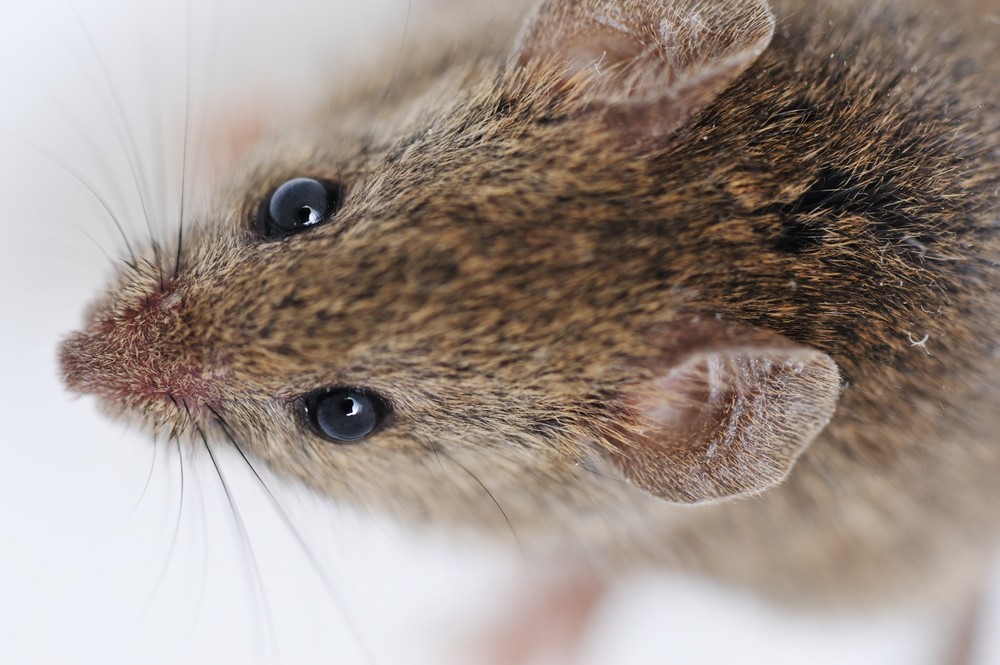
Business owners consistently underestimate how fast a rodent problem compounds. Each female mouse can produce up to 10 litters a year with up to 14 baby mice per litter. She’s also immediately ready to mate again, making it possible for her to produce yet another litter in just 25 days.
Run that forward. A pair of mice that goes unaddressed through a slow autumn doesn’t stay a pair. Offspring reach breeding age in a matter of weeks and begin producing litters of their own, which means the population curve bends sharply upward right around the time a business owner finally decides the problem is worth a phone call.
The practical implication is that timing dominates everything else. A rodent issue caught in week one is a matter of exclusion work and a few strategically placed traps. The same issue caught in month three involves multiple harborage sites, contaminated inventory, gnawed wiring, and a treatment plan measured in weeks rather than days.
Cockroaches Are Built to Outlast Half Measures
Cockroaches are one of the oldest insects on Earth, with ancestors dating back more than 320 million years. That figure isn’t trivia. It’s a warning about what a business is actually up against when it reaches for a can of spray from the supply closet.
Over that span, these insects developed a stubborn set of survival traits: the ability to survive on almost nothing, to squeeze into gaps a fraction of their body height, to sense and avoid disturbance, and to develop resistance to chemicals that once worked reliably. Populations that appear knocked down after a DIY treatment frequently rebound within weeks because the egg casings, which are largely protected from surface sprays, were never touched.
Professional treatment accounts for the full life cycle rather than the adults visible at 2 a.m. That distinction is why early intervention works and delayed intervention drags on.
Correct Identification Narrows the Response
There are about 4,600 species of cockroaches, about 30 of which are known to live around humans. The handful that show up in commercial kitchens, warehouses, and break rooms behave differently enough that treatment strategy shifts based on which one is present.
German cockroaches favor warm interior spaces near food and moisture and reproduce quickly indoors. American cockroaches tend to move in from sewers, drains, and exterior voids. American and Oriental species often signal a structural or plumbing entry point that treatment alone won’t close. Identifying which species is present tells a technician where to look, what to apply, and whether the source is inside the building or outside it.
Early calls make identification easier. A small, contained population offers clear evidence of where activity is concentrated. A widespread one obscures the origin under months of accumulated spread.
The Costs Extend Well Past Treatment
For a home, a pest problem is unpleasant. For a business, it touches revenue directly.
Health inspections carry scoring consequences, and in food service, documented pest activity can trigger citations, forced closures, or public-facing records that follow a business for years. Employees notice infestations and talk about them. Customers photograph them. A single social post from a diner, patient, or guest can undo years of reputation building in a weekend.
There’s also the operational cost that never appears on the invoice. Contaminated stock gets discarded. Staff time goes to cleaning rather than serving. Managers spend hours coordinating a response that a fifteen-minute phone call months earlier would have prevented.
What Early Intervention Actually Looks Like
Calling at the first sign changes the shape of the engagement. An initial inspection focuses on locating the source, identifying the species, and assessing how far activity has spread. When that inspection happens early, the answer is usually narrow: one entry point, one harborage area, one correctable condition.
From there, treatment tends to be targeted rather than sweeping. Exclusion work seals the gaps. Monitoring devices confirm whether activity has actually stopped. Sanitation and storage recommendations remove whatever attracted the population to begin with.
Businesses that wait get a different experience entirely, involving broader chemical application, more service visits, possible operational disruption, and a longer runway before the all-clear.
The trigger for a call shouldn’t be certainty that a problem exists. It should be the first piece of evidence that one might. Droppings, gnaw marks, an odd smell near a drain, a single insect where none belongs. Those are early-stage indicators, and early stage is the least expensive place a pest problem will ever sit.

