

Key Takeaways
- Selling as-is means selling the property in its current condition, but it does not remove every seller responsibility.
- Repairs, listing costs, taxes, insurance, and carrying expenses all affect what a seller ultimately receives.
- Cash offers can offer speed and simplicity, but may be lower than a market-ready retail price.
- Written offers should clearly state the price, fees, inspection terms, closing date, and contingencies.
- Sellers should disclose known property conditions when required and seek legal advice for transaction-specific questions.
Table of Contents
- What Selling As-Is Means
- Why Homeowners Sell As-Is
- Which Repairs May Be Worth Considering
- How to Set a Realistic Price
- Comparing Selling Options
- Reviewing a Cash Buyer
- Documents and the Sale Process
- Risks, Red Flags, and Common Questions
Selling a house as-is can be a practical choice when repairs, showings, or a long listing timeline do not fit your situation. Georgetown homeowners considering this route can start by learning how local cash-sale options work through https://www.kentuckysellnow.com/we-buy-houses-georgetown/, then compare that option with a traditional listing, an auction, or selling on their own.
An as-is sale does not mean giving away the property or skipping due diligence. It means the home is offered in its present condition, with no promise that the seller will complete repairs before closing. The best decision usually comes from comparing expected net proceeds, timing, repair needs, and contract terms.
For owners who need a broader Kentucky option, it may also help to explore ways to Sell home fast in Louisville, KY. Even if the property is in Georgetown, comparing multiple routes can make it easier to understand the trade-off between convenience and potential sale price.
What Selling As-Is Means
In plain language, an as-is sale tells buyers that the seller does not plan to improve the home’s condition before closing. A buyer may still inspect the property, ask questions, request a price reduction, or cancel if the contract permits it. The phrase does not automatically eliminate inspections or negotiations.
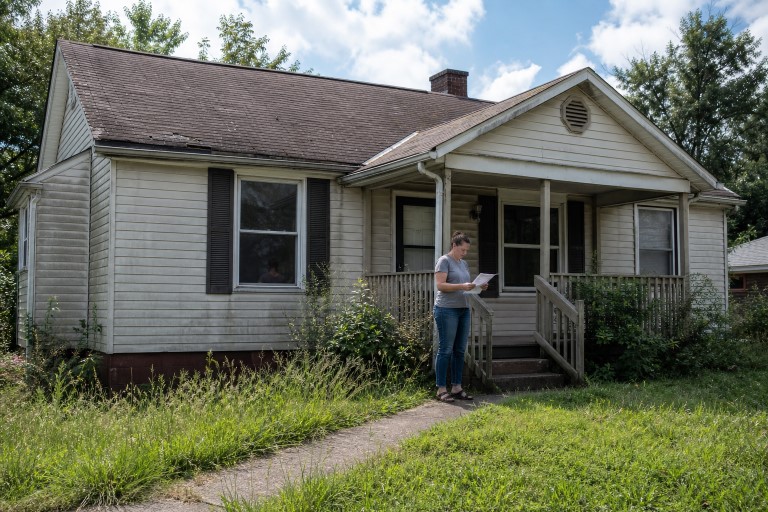
For example, a Georgetown home with an older roof, worn flooring, and a past water issue may be listed as-is. The buyer accepts that the home needs work, but the seller should not hide known leaks, damage, or other material concerns. Kentucky’s Seller’s Disclosure of Property Condition form helps sellers identify the types of property information that may need to be addressed.
Why Homeowners Sell As-Is
Many sellers choose this path because the property needs more work than they can reasonably manage. Common examples include an inherited house, a vacant property, a rental with deferred maintenance, a home affected by storm, plumbing, fire, or structural damage, or a property tied to relocation, probate, divorce, or financial pressure. In these situations, continuing to pay taxes, insurance, utilities, lawn care, and mortgage payments can become costly.
Which Repairs May Be Worth Considering
Not every project produces the same return. Low-cost efforts such as cleaning, removing clutter, replacing broken hardware, improving lighting, and basic yard work can make a home easier to evaluate. Safety-related issues, including exposed wiring, active leaks, broken stairs, or serious water intrusion, may deserve attention because they can limit buyer interest.
High-cost work, such as a new roof, foundation repair, a full kitchen remodel, or an addition, should be approached carefully. Get estimates before spending money. A repair can improve marketability without increasing the sale price by its full cost, especially if buyers still view the home as dated or requiring additional work.
How to Set a Realistic Price
Start with recent comparable sales in the same neighborhood, then adjust for square footage, lot size, age, location, condition, and needed repairs. A useful calculation begins with the likely value of a market-ready home, then subtracts estimated repairs, selling costs, and holding costs.
For instance, a repaired home might reasonably sell for $300,000. If it needs $35,000 in repairs, $18,000 in commissions and seller costs, plus $6,000 in taxes, insurance, utilities, and mortgage payments during a several-month sale, the seller’s estimated net could be about $241,000. A quicker as-is offer of $250,000 with fewer costs may produce a stronger result, even though its gross price is lower.
Comparing Selling Options
Homeowners can choose from several selling methods depending on their priorities. A traditional listing may reach more buyers and produce a higher gross sale price, but it often requires repairs, showings, negotiations, and a longer timeline. Selling the home yourself (For Sale By Owner) provides greater control over pricing, marketing, and negotiations, though the seller is responsible for managing the paperwork and sales process. Working with a cash buyer can simplify the transaction and reduce repair demands, but the offer may be lower than full market value. An auction creates a defined sale date and can generate competitive bidding, although the terms may be strict and the final price is less predictable.
Reviewing a Cash Buyer
Before signing, request the complete offer in writing. Review the purchase price, earnest-money deposit, inspection period, cancellation rights, closing date, title company, fees, and any assignment clause that could allow the buyer to transfer the contract. Ask for proof of funds when appropriate, and avoid buyers who pressure you to sign immediately or request large upfront payments.
It is also important to confirm who will handle title work and whether liens, taxes, mortgages, judgments, or ownership issues must be resolved before closing. A real estate attorney can review a contract and explain obligations before a seller commits.
Documents and the Sale Process
Gather a government-issued ID, deed or ownership records, mortgage payoff information, tax records, HOA documents, permits and receipts for improvements, insurance claim records, utility details, and documents related to probate, divorce, or liens. These records can reduce closing delays.
The usual process is straightforward: assess the property, estimate repair and holding costs, request more than one selling option, compare projected net proceeds, review the contract, complete title work, and sign closing documents. The Kentucky statute governing seller disclosure forms is available through KRS 324.360. Requirements can vary by transaction, so professional guidance is appropriate when facts are unclear.
Risks, Red Flags, and Common Questions
What should sellers avoid?
Do not accept the first offer without checking the likely value. Avoid incomplete disclosures, unclear cancellation terms, unexplained closing delays, and agreements that transfer ownership before the closing process is complete. A verbal estimate is not the same as a final written offer.
Can a homeowner sell a house as-is in Georgetown?
Generally, yes. The seller should still verify ownership, title status, disclosure obligations, and contract requirements before proceeding.
Is a cash offer always the best choice?
No. A cash offer may suit a seller who values speed, certainty, and fewer repairs. A traditional listing may be more appropriate for someone with time, a marketable home, and the ability to handle preparation and showings.
Conclusion
Selling a Georgetown house as-is can be a sensible financial decision, particularly when repairs or ongoing ownership costs are difficult to manage. Compare repair estimates, likely net proceeds, disclosure responsibilities, and contract terms before choosing a buyer or sales method. A careful comparison can help ensure the final choice fits both your timeline and financial goals.

