

The Strategic Importance of Custom Stationery
In an increasingly digital world, the tangible nature of a high quality notebook remains a powerful tool for brand engagement. When a professional sits down in a meeting and opens a physical journal, it signals focus, preparation, and a commitment to detail. For businesses looking to leave a lasting impression, the choice between different finishes is not merely an aesthetic one but a strategic decision that reflects corporate values.
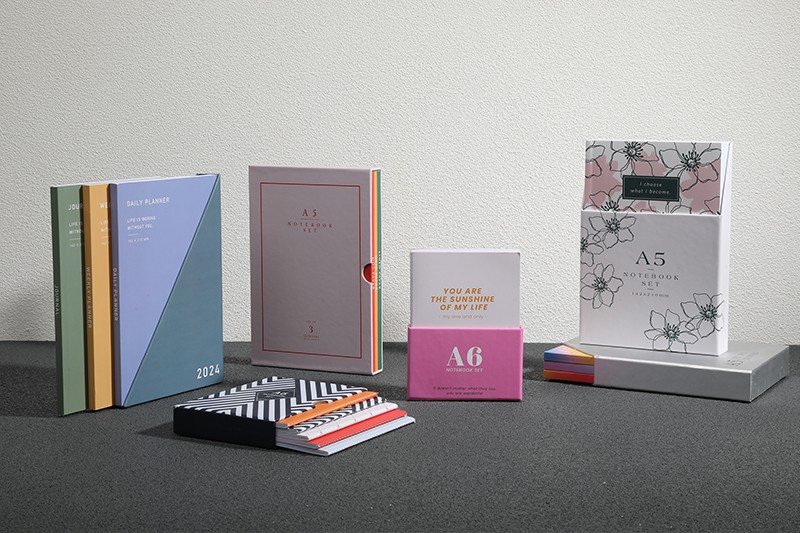 Hardback
Choosing the Right Finish Hardback vs. Softback Branded Notebooks requires a deep understanding of how the end user will interact with the product. A notebook is one of the few promotional items that stays on a desk for months or even years. This longevity provides a unique opportunity for consistent brand exposure. By partnering with specialists like Totally Branded, companies can ensure that their choice of material aligns perfectly with their marketing objectives and the practical needs of their clients or employees.
Understanding the Hardback Notebook Architecture
Hardback notebooks, often referred to as casebound journals, are constructed using a rigid greyboard core wrapped in a variety of materials such as PU leather, cloth, or laminated paper. This construction provides a solid writing surface that does not require a desk or table for support. This makes them ideal for professionals who are frequently on the move, attending conferences, or taking notes while standing.
The structural integrity of a hardback notebook allows for more complex internal features. These often include expandable inner pockets, ribbon markers, and elastic closures that remain secure over time. Because the covers are rigid, they protect the internal pages from bending or dog earring, ensuring that the notes inside remain pristine. When businesses source these items through Totally Branded, they often opt for high GSM paper to complement the premium feel of the heavy outer casing.
The Construction Process
- Selection of the inner book block and thread sewing for durability.
- Preparation of the heavy duty cardboard covers.
- Wrapping the cover material around the board with precise corner folding.
- Affixing the endpapers to marry the book block to the cover.
- Quality checking for alignment and spine strength.
The Versatility and Practicality of Softback Covers
Softback notebooks offer a different set of advantages, primarily centered around flexibility and weight. These journals are typically made from thick cardstock or flexible PU materials that can bend and move. This flexibility makes them much more comfortable to carry in a pocket or a crowded laptop bag. For creative industries or tech startups, the softback finish often feels more modern and less formal than its rigid counterpart.
The tactile experience of a softback notebook is often described as more organic. The covers can be manipulated, folded back on themselves, and they tend to take up less physical volume on a workspace. Despite their lighter build, modern manufacturing techniques allow softback options to remain remarkably durable. Many organizations choose these for internal workshops or as part of a larger onboarding kit where ease of distribution is a priority.
Durability and Longevity in Professional Environments
When evaluating durability, hardback notebooks are the undisputed champions. They are designed to withstand significant wear and tear. If a notebook is intended to be a permanent record of a project or a year long diary, the hardback finish ensures the spine will not crack and the covers will not delaminate under pressure. This is particularly important for archival purposes where the information contained within needs to be referenced years later.
Softback notebooks, while durable in their own right, are better suited for short term projects or rapid note taking. They are more susceptible to corner curling and cover creasing over time. However, for many users, this lived in look is actually a preference, suggesting a tool that is used daily rather than a trophy that sits on a shelf. Totally Branded provides guidance on which material weight will best suit the intended lifespan of the promotional campaign.
Aesthetic Appeal and Brand Perception
The finish of a notebook speaks volumes about a brand identity. A hardback notebook suggests stability, tradition, and premium quality. It is a high perceived value gift that recipients are unlikely to discard. This makes it an excellent choice for executive gifts, high value client rewards, or milestone celebrations. The weight alone imparts a sense of importance to the brand message.
Conversely, softback notebooks suggest agility, creativity, and accessibility. They are often viewed as more approachable and are highly popular in the education and design sectors. The aesthetic is often leaner and more minimalist. By choosing the right finish, a company can subtly communicate its culture without saying a word. Many firms find that offering both styles through Totally Branded allows them to cater to different segments of their workforce or client base effectively.
Visual Impact Factors
- The thickness of the spine and how it appears on a bookshelf.
- The way light reflects off different textures like matte vs. gloss.
- The precision of the stitching or glue lines on the edges.
- The contrast between the cover color and the edge painting of the pages.
Portability and Weight Considerations for Modern Professionals
In the era of hybrid working, portability has become a primary concern for the modern workforce. Every ounce added to a commuter bag matters. Softback notebooks are significantly lighter than hardbacks, often weighing thirty to fifty percent less for the same page count. This makes them the preferred choice for employees who commute via public transport or for international travelers who are mindful of luggage weight limits.
Hardback notebooks, while heavier, provide their own form of utility by acting as a portable desk. If your target audience often finds themselves taking notes on their laps in airports or in lecture halls without fixed seating, the extra weight of a hardback is a functional trade off they will appreciate. It is essential to consider the daily journey of your recipient before deciding which format to produce.
Cost Analysis and Budgetary Planning
Budget is always a significant factor in promotional procurement. Generally, softback notebooks are more cost effective to produce and ship. The manufacturing process is less labor intensive, and the materials are often less expensive. For large scale events like trade shows or university orientations where volume is the priority, softback notebooks allow for a wider reach within a fixed budget.
Hardback notebooks represent a higher initial investment, but they often provide a better return on investment in terms of brand impressions. Because they are kept longer, the cost per impression decreases over time. When working with Totally Branded, companies can explore various price points by adjusting features like paper weight, page count, and cover textures to find a balance between the premium feel of a hardback and the constraints of a marketing budget.
Customisation Techniques and Print Finishes
The choice of finish also dictates which branding techniques will be most effective. Hardback notebooks are perfect for traditional methods such as foil stamping and debossing. The rigid board underneath provides the necessary resistance to create deep, crisp impressions that look and feel luxurious. Full color digital printing is also highly effective on hardback covers, allowing for edge to edge artwork that transforms the notebook into a piece of brand art.
Softback notebooks offer unique opportunities for customisation as well. Screen printing and pad printing work exceptionally well on flexible surfaces. Some softback designs allow for wrap around covers where the artwork continues seamlessly from the front to the back. Because softback covers are thinner, they can also be die cut more easily to reveal a colored first page or a unique shape, offering a creative edge that is harder to achieve with thick cardboard.
Popular Branding Options
- Blind Debossing: Creating a recessed image without color for a subtle, high end look.
- Foil Blocking: Applying metallic or colored foils to make a logo stand out.
- Full Color UV Printing: Best for photographic images or complex gradients.
- Screen Printing: Ideal for bold, solid colors on a variety of textures.
Environmental Impact and Material Sourcing
Sustainability is no longer an optional extra in corporate gifting. Both hardback and softback notebooks can be produced using environmentally friendly materials. Hardback notebooks often use recycled greyboard for the core, while softback notebooks can be made from FSC certified cardstock or even innovative materials like apple leather or recycled coffee grounds.
When selecting a finish, consider the end of life of the product. Softback notebooks made entirely of paper and card are often easier to recycle at home. Hardback notebooks, due to the combination of board, glue, and cover material, may require more effort to disassemble for recycling. However, the long life of a hardback notebook is its own form of sustainability, as it reduces the need for frequent replacements. Totally Branded offers a range of eco friendly options for both styles, ensuring that brand values are upheld through responsible sourcing.
Navigating the Selection Process for Your Audience
To make the right choice, you must look beyond the physical product and consider the context of use. A law firm might find that a navy blue, leather look hardback notebook reinforces their image of reliability and prestige. Meanwhile, a tech company might prefer a vibrant, softback notebook with a dot grid interior to encourage brainstorming and rapid prototyping.
Consider the following questions when making your decision:
- Where will the notebook primarily be used? At a desk, or on the go?
- What is the intended lifespan of the notebook? A few weeks or a full year?
- How will the notebooks be distributed? Handed out in person or sent via mail?
- What does the finish say about your brand personality? Formal or flexible?
- Who is the recipient, and what are their likely preferences for writing surfaces?
By analyzing these factors, you can move away from a generic choice and toward a bespoke solution that truly resonates. Whether you opt for the classic, sturdy presence of a hardback or the modern, nimble feel of a softback, the key is quality and consistency. A well chosen notebook is more than just paper and ink; it is a physical manifestation of your brand that your clients will hold in their hands every day. Selecting the right finish ensures that every time they reach for a pen, they are reminded of the quality and thoughtfulness your company represents.

